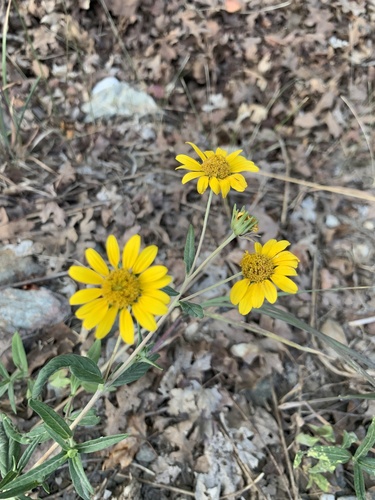
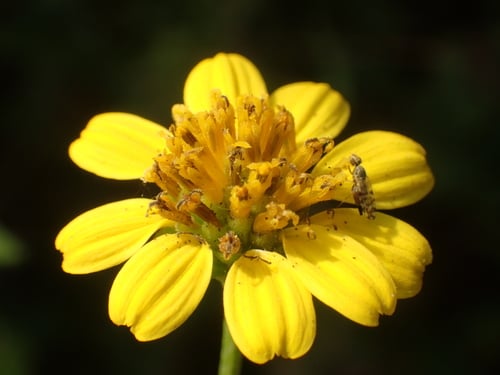
Ethulia gracilis
Del.
iNaturalist· cc-by-nc
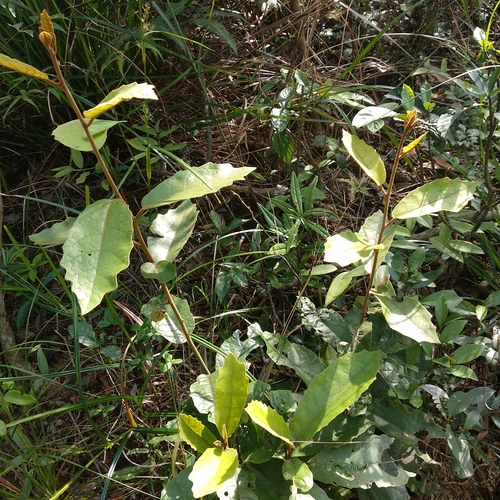
(c) Ítalo dos Santos Agustinho, some rights reserved (CC BY-NC)
iNaturalist· cc-by-nc
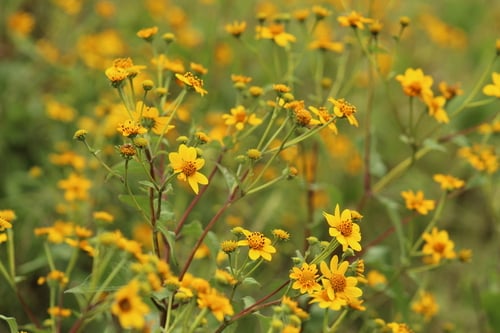
(c) Ítalo dos Santos Agustinho, some rights reserved (CC BY-NC)
iNaturalist· cc-by-nc
(c) Ítalo dos Santos Agustinho, some rights reserved (CC BY-NC)
Description
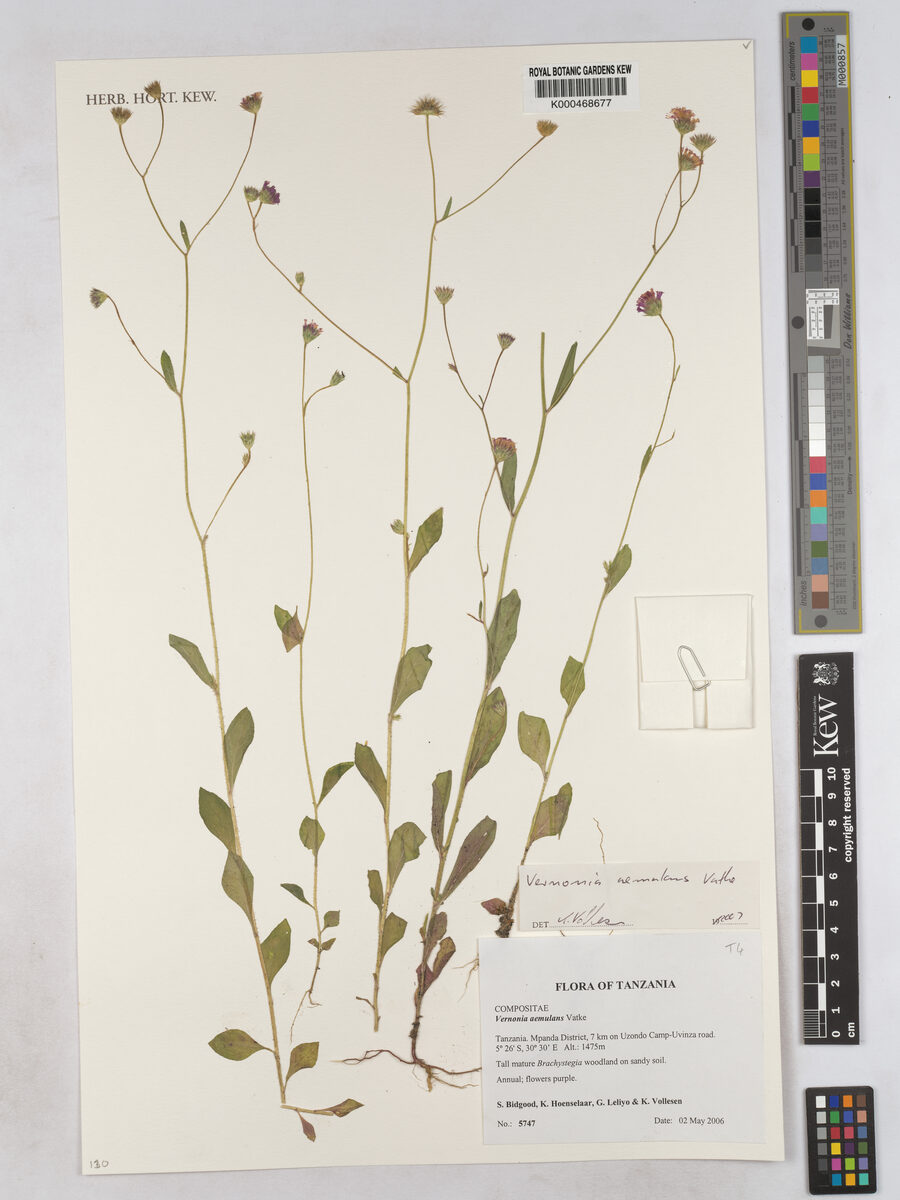
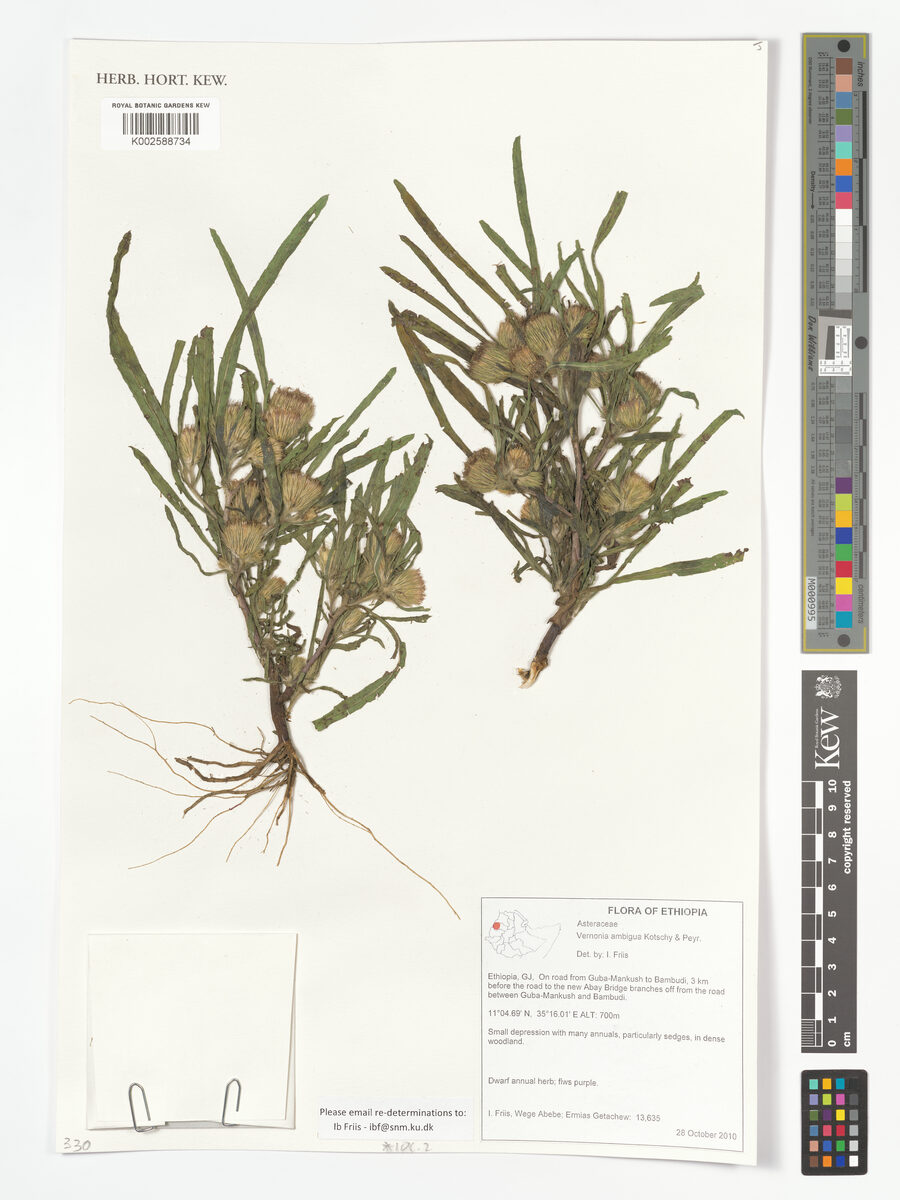
A herb. It grows each year from seed. It grows 1.3 m tall. The stems are erect with lines along them and flattened hairs. The leaves are narrowly sword shaped and 11 cm long by 2 cm wide. The base is narrowly wedge shaped. There are a few teeth towards the end.
Edible Uses
The plant is burnt to produce edible salt.
Traditional Uses
It is burnt to produce edible salt.
This uses section is brief — help expand it
Distribution
It is a tropical plant. It grows in ponds and rice fields. In Ethiopia it grows between 58-1,470 m above sea level.
Where It Grows
Africa, Asia, China, East Africa, Ethiopia, Indochina, SE Asia, Thailand,
Also Known As
Apuda
References (2)
- Awas, T., 1997, A Study on the Ecology and Ethnobotany of Non-cultivated Food Plants and Wild Relatives of Cultivated crops in Gambella Region, Southwestern Ethiopia. Addis Ababa University. p 42
- Lulekal, E., et al, 2011, Wild edible plants in Ethiopia: a review on their potential to combat food insecurity. Afrika Focus - Vol. 24, No 2. pp 71-121