Erythrina brucei
Schweinf.
No photos yet for Erythrina brucei
Sign in to contribute a photoDescription
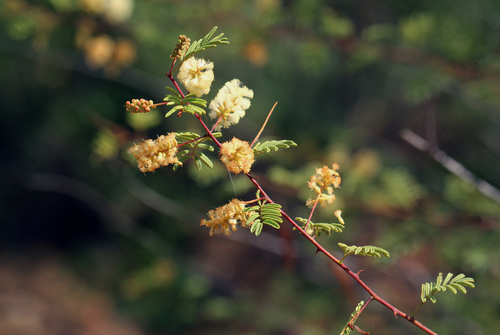
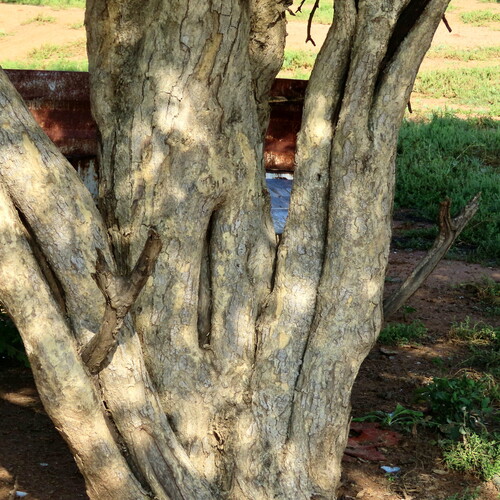
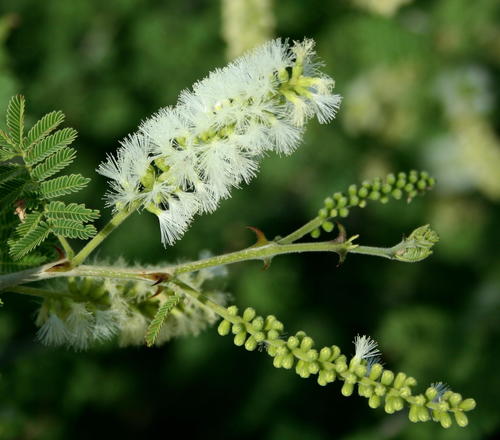
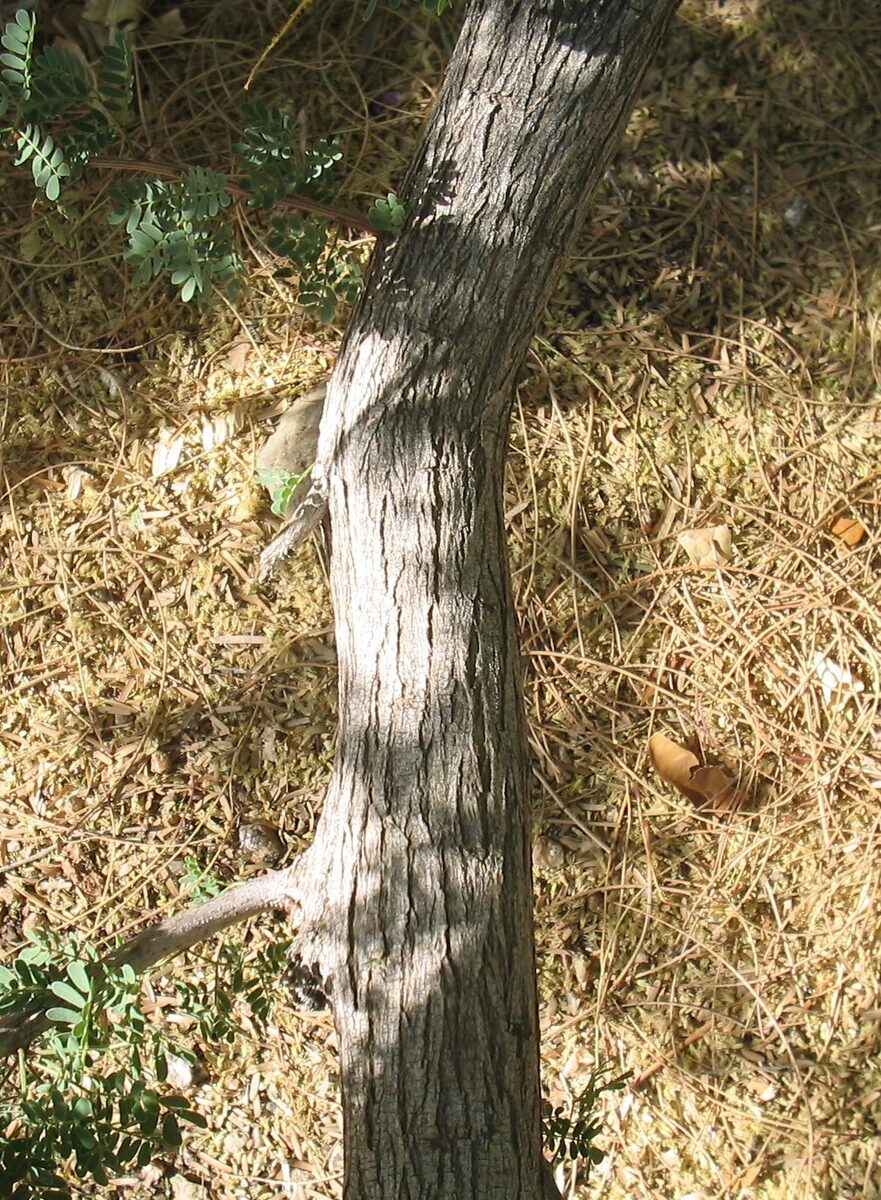
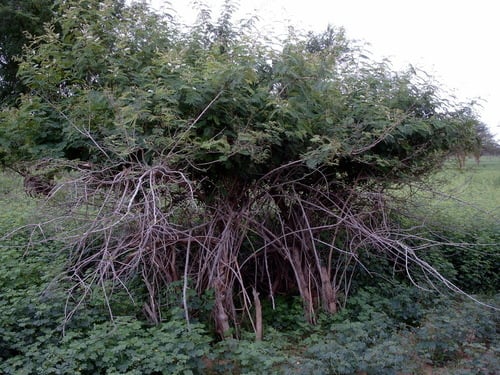
A tree.
This description is brief — help expand it
Medicinal Uses
The bark is used to treat ear infections.
Known Hazards
All Erythrina species contain greater or lesser amounts of toxic alkaloids - these can be found in all parts of the plant but are usually most concentrated in the seeds. Concentrations vary from species to species, in some it is low enough that the plant is safely used as a food. In many, the alkaloids are utilized for their medicinal effects. We have no specific information on the concentration of the alkaloids in this species, but care should be exercised in any use of the plant that involves ingestion. These alkaloids have a curare-like action (obtained from Strychnos species) and can cause paralysis and even death by respiratory failure.
Distribution
It is a tropical plant.
Where It Grows
Africa, East Africa, Ethiopia,
Cultivation
Erythrina species are tolerant of a range of soils, often tolerating poor fertility, but generally grow best in a sunny position in a moderately fertile, well-drained soil. Established plants are very tolerant of drought and recover quickly once the drought ends. A fast-growing tree, it can reach a height of 3 metres within 6 months of planting. The plant responds well to coppicing, regrowing rapidly if cut to the ground. All species in this genus are believed to be self-compatible. Their flowers are adapted to pollination by birds, though various insects can also cause fertilization. The various species of Erythrina can all, as far as is known, be intercrossed to produce fertile hybrids. Those species most closely related to each other cross fairly readily, but even species that are quite distant can hybridize. This species has a symbiotic relationship with certain soil bacteria, these bacteria form nodules on the roots and fix atmospheric nitrogen. Some of this nitrogen is utilized by the growing plant but some can also be used by other plants growing nearby.
Propagation
Like many species within the family Fabaceae, once they have been dried for storage the seeds of this species may benefit from scarification before sowing in order to speed up and improve germination. This can usually be done by pouring a small amount of nearly boiling water on the seeds (being careful not to cook them!) and then soaking them for 12 - 24 hours in warm water. By this time they should have imbibed moisture and swollen - if they have not, then carefully make a nick in the seedcoat (being careful not to damage the embryo) and soak for a further 12 hours before sowing. Species in this genus are generally easy to grow from cuttings. Many will strike well even from large cuttings placed in the open ground so long as they are kept moist but not too wet.
Other Uses
We have no specific information for this species, but the wood of Erythrina species is generally greyish-white in colour, light in weight but strong, with a spongy texture and not very durable. The wood from the various species is used for purposes such as sieve frames, surfboards, dugout canoes, outrigger canoe floats, boxes and small art carvings. The plant is easy to grow from cuttings and so can be used to form living fences). The plant grows quickly and has been shown to stabilize soils and prevent erosion. It is a very good source of biomass for refertilizing soils - grown as a bounday hedge and in alleys in fields, 200 trees can easily provide 10 tonnes per hectare per year when growing on poor soils. Most Erythrina species are very easy to grow from cuttings, with even quite large branches striking well. In addition, they generally fix atmospheric nitrogen, have nutrient-rich leaves that make an excellent soil-enriching mulch, often have open crowns that do not overly restrict light, and are also often quite thorny and can provide impenetrable barriers to protect from unwelcome intrusions. Many species are therefore used as living fences to provide boundaries and livestock-proof hedges. The plant is used as ashade tree in coffee plantations and as a component of agroforestry systems.
Also Known As
Korch
References (1)
- Lulekal, E., et al, 2011, Wild edible plants in Ethiopia: a review on their potential to combat food insecurity. Afrika Focus - Vol. 24, No 2. pp 71-121