Quercus arizonica
Sarg.
Arizona oak
iNaturalist· cc-by-nc
(c) Dalia Gonzalez, some rights reserved (CC BY-NC), uploaded by Dalia Gonzalez
iNaturalist· cc-by-nc
(c) Jack Hanson, some rights reserved (CC BY-NC), uploaded by Jack Hanson
iNaturalist· cc-by
(c) Homer Edward Price, some rights reserved (CC BY)
Summary
Source: WikipediaQuercus arizonica, the Arizona white oak, is a North American tree species in the beech family. It is found in Arizona, New Mexico, western Texas, Sonora, Chihuahua, Coahuila, Sinaloa, and Durango.
Description
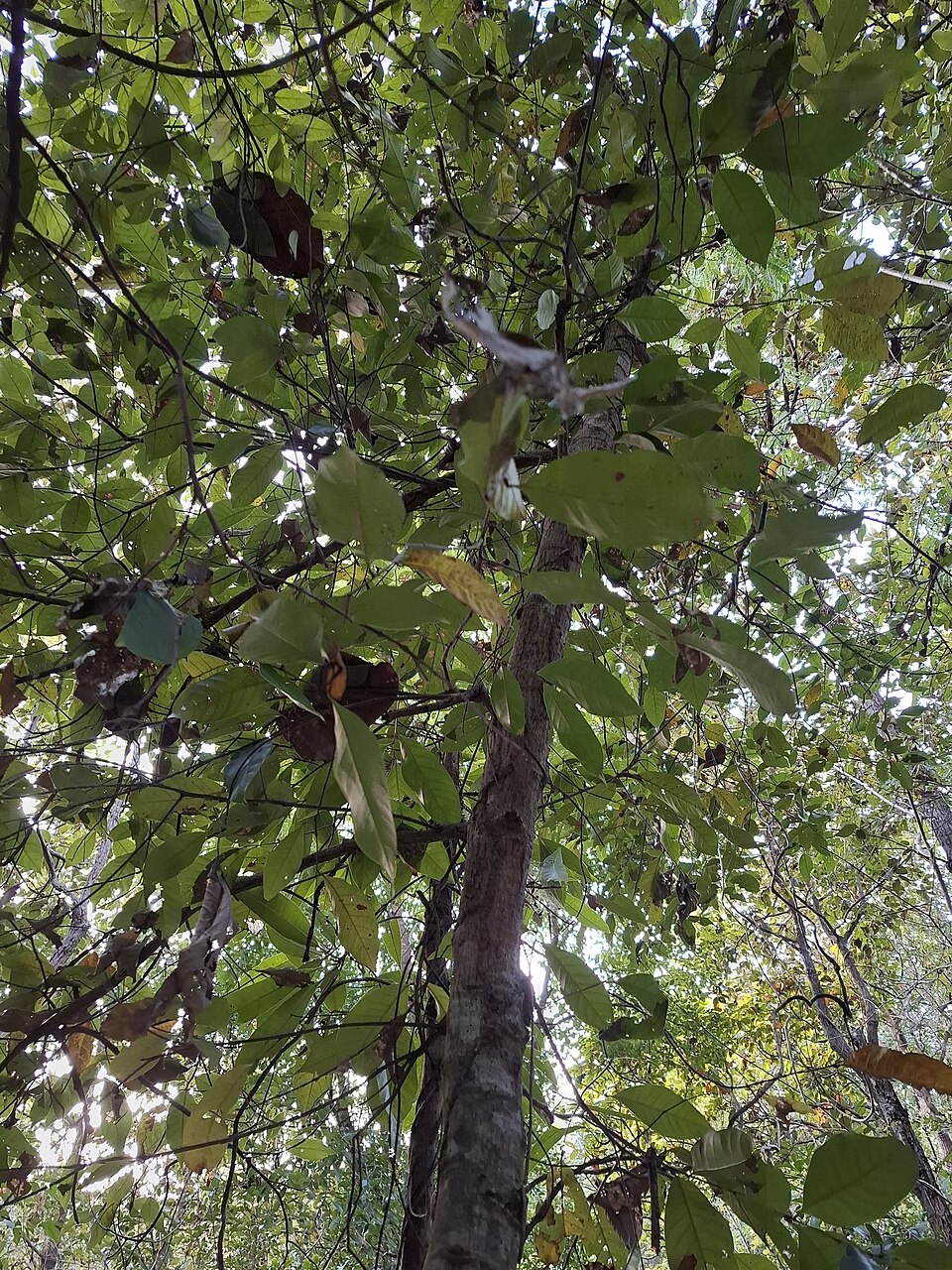
A tree. It can grow 18 m tall. he bark is scaly. The leaves are narrowly oval and 4-8 cm long by 1-3 cm wide. The acorns occur singly or in pairs. The cup is cup shaped and 5-10 mm deep by 10-15 mm wide. It encloses about half of the nut.
Edible Uses
The light brown, ovoid or oblong seed is 8 - 12mm long. This species belongs to the white oak subgenus, where the seeds are generally low in tannins and are often eaten. Although we have no specific information for this species, the seeds of all the species of oak are edible - indeed, several species have been used as staple foods, whilst most if not all have been used for food in times of shortage, when better foods were not available. The seed is usually cooked before eating, though it can also be eaten raw. It can be eaten whole, though it is more commonly dried, then ground into a powder and used as a thickening in stews, etc, or mixed with cereals for making bread. In some species, especially many of those classified as 'white oaks', the seeds are low in tannins and have a more or less sweet and agreeable flavour. The seed of most species, however, have a very bitter flavour, due especially to the presence of tannins. In these species, there are various processes that can remove or at least reduce the amount of these bitter substances (although other water-soluble substances, including some minerals, will also be removed). Tannins are water-soluble, and therefore, the easiest way to remove or reduce tannin levels is by soaking in water. A few different methods are listed:- A traditional method of preparing the seed was to bury it in boggy ground overwinter and allow the wet soil to gradually leach the tannins. The germinating seed was dug up in the spring when it would have lost most of its astringency and bitterness. Another method was to wrap the seeds in a cloth bag and place them in a stream for several weeks. Drying the seed and grinding it to a powder before soaking speeds up the process. The fastest method is to use hot water, by cooking the powder and changing the water several times until the cooking water is no longer bitter. Alternatively, you can use cold water (which is reported to produce the best quality flour). In this case, you soak the powdered seed in cold water for 12 - 24 hours, then discard the water. Repeat this process a number of times until the soaking water is no longer bitter. The roasted seed of many Quercus species has been used as a coffee substitute. Arizona white oak (Quercus arizonica), a member of the beech family (Fagaceae), is a southwestern native valued for its edible acorns. Like all oaks, it produces nuts that can serve as food, but only after proper leaching to remove bitter and toxic tannins. Raw acorns contain high levels of these compounds, which can cause digestive distress, kidney problems, or worse if eaten in quantity. Traditional preparation involved shelling, grinding, and then soaking or boiling the nutmeats repeatedly to leach out tannins. Once processed, the acorns become palatable, with a mild, nutty, slightly sweet flavor. Fresh nutmeat is usually pale with a yellowish tint, smooth, and less astringent than that of many other oak species. This makes Arizona white oak acorns somewhat easier to prepare compared to the harsher “red oaks.” While acorns can be gathered in late summer through autumn, the window for harvest is short—dry weather helps preserve fallen acorns, but wet conditions can cause them to sprout or rot quickly. Overall, Arizona white oak acorns are a worthwhile wild food, though their quality is comparable to those of the closely related netleaf oak (Q. rugosa).
Medicinal Uses
Oak species are widely used in traditional medicine, particularly for their tannin content. Preparations from the leaves, bark, seeds, seed cups, or insect-produced galls yield a decoction or infusion that is astringent, antibacterial, antifungal, antiseptic, styptic, and haemostatic. Taken internally, it addresses acute diarrhoea, dysentery, and haemorrhages. Used externally, it serves as a mouthwash for toothache or gum complaints, and as a topical wash on cuts, burns, skin problems, haemorrhoids, and inflammation of oral, genital, and anal mucosa. Plant extracts can also be incorporated into ointments to support wound healing.
Known Hazards
All parts of the plant contain tannins. Whilst tannins are found in many foods, and have a range of medicinal uses. They are usually only present in low concentrations. In some foods made from oaks (particularly the seeds), the tannin content can be quite high unless the food is treated to reduce tannin content. Tannins are only of low toxicity and, because of their bitter taste and astringency, are unlikely to be eaten in large quantities. However, if they are taken in excess, they can cause stomach pains; constipation followed by bloody diarrhoea: excessive thirst; and excessive urination.
Distribution
It is a temperate plant.
Where It Grows
Mexico, North America, USA,
Cultivation
Quercus arizonica is a moderately cold-hardy tree, tolerating temperatures to around -15°c when dormant. It occurs in semiarid to arid climates with a bimodal precipitation regime, mild winters, and hot summers. In areas with cooler summers, such as the maritime regions of the temperate zone, it often grows poorly, failing to properly ripen its wood and suffering frost damage over the winter. Requires a sunny position, though seedlings tolerate considerable side shade. It is found in the wild on shallow to deep soils of moderate to very fine texture, consisting of old alluvium from mixed sedimentary, igneous, or granitic rocks. Rock cover may be more than 15%. Soils also may be cobbly loams that are deep and well-drained with low water-holding capacity. Quercus arizonica is a slow-growing, large tree that reaches a maximum height of 18 metres t338 ]. Seed production is highly variable. Large crops, with up to 32,600 acorns per tree, alternate with several years of low acorn production. The seed ripens towards the end of its first growing season. Plants will resprout from the base if cut down or top-killed by fire. This species hybridizes with Quercus grisea where their ranges overlap. Upper elevation limit: 2,200 metres. Lower elevation limit: 1,505 metres. USDA Hardiness & Weed Potential: Arizona white oak grows primarily in southern Arizona and southern New Mexico, thriving in USDA Zones 7–10. It is a native species of the southwestern United States and is not considered weedy or invasive. However, as with other native oaks, care should be taken to harvest sustainably to avoid depleting local populations.
Propagation
Seed loses viability quickly if allowed to dry out. It can be stored moist and cool over winter, but is best sown as soon as it ripens in an outdoor seed bed protected from mice and squirrels. Small quantities can be sown in deep pots in a cold frame. Plants develop a deep taproot and should be moved to permanent positions as soon as possible — seed sown in situ produces the best trees. Trees should not remain in a nursery bed for more than two growing seasons, as they transplant very poorly after that.
Other Uses
Leaves of this genus are generally rich in tannins. Partially decayed leaves used as mulch help repel slugs, snails, and grubs while gradually breaking down to improve soil humus and nutrients. Fresh leaves should be used cautiously, as their decay can draw on soil nitrogen and hinder plant growth. Oak galls — growths caused by insect larvae — become a useful tannin source once the insect has pupated and left. This tannin is also used as a dyestuff and, in many cultures, to make ink. Oak bark is likewise tannin-rich and can be used as a dyestuff and for waterproofing rope. The wood is close-grained, heavy, hard, and strong, and is sometimes made into furniture where size allows, though it is seldom straight or large enough to be of commercial value. It burns well and produces good heat. In south-central Arizona, white-tailed deer consume acorns from this species, though they account for only around 2% of deer diet as other oak species are preferred. In southeastern Arizona, the tree is an important food source for migratory birds during their breeding season.
Synonyms
Also Known As
Arizona white oak, Quercus arizonica.
References (1)
- Camou-Guerrero, A., et al, 2008, Knowledge and use Value of Plant Species in a Raramuri Community: A Gender Perspective for Conservation. Human Ecology, 36:259-272