Castanea x neglecta
Dode
Chinknut
iNaturalist· cc-by-nc
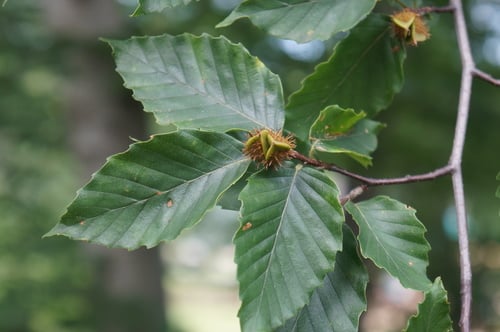
(c) Jack Morgan, some rights reserved (CC BY-NC)
iNaturalist· cc-by-nc
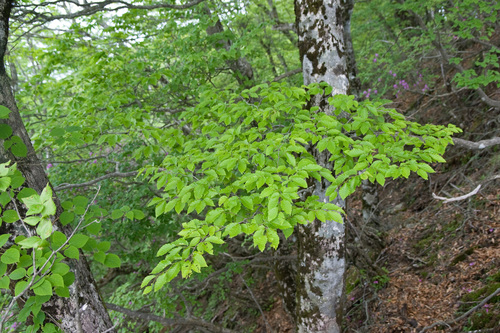
(c) Graeme Baxter, some rights reserved (CC BY-NC)
iNaturalist· cc-by-nc
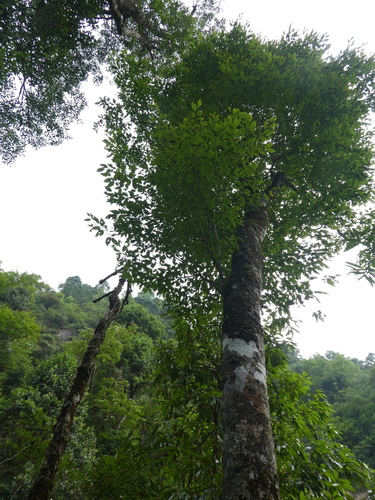
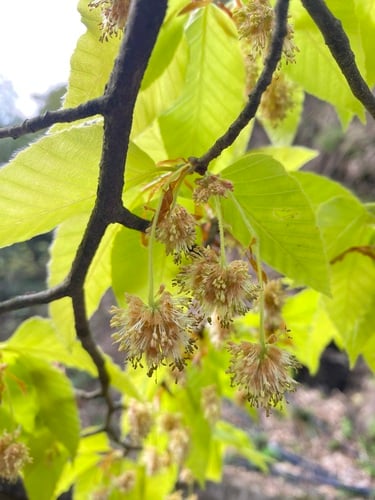
(c) Graeme Baxter, some rights reserved (CC BY-NC)
Summary
Source: WikipediaA deciduous shrub growing 4m tall and wide at slow rate, hardy to UK zone 5. Flowers in July; seeds ripen in October. Monoecious and insect-pollinated. Tolerates light sandy, medium loamy, and heavy clay soils; prefers well-drained conditions and grows in poor soils. Suitable for mildly acid, neutral, and very acid pH. Requires full sun. Adapts to dry or moist soil and tolerates drought.
Description
A deciduous shrub growing 4m tall and wide at slow rate, hardy to UK zone 5. Flowers in July; seeds ripen in October. Monoecious and insect-pollinated. Tolerates light sandy, medium loamy, and heavy clay soils; prefers well-drained conditions and grows in poor soils. Suitable for mildly acid, neutral, and very acid pH. Requires full sun. Adapts to dry or moist soil and tolerates drought.
Edible Uses
The seeds can be eaten raw or cooked. Raw seeds have a distinct astringency, especially if the fleshy inner skin beneath the outer shell is not removed. Baking brings out sweetness and a floury texture, making them an excellent staple comparable to potatoes or cereals. The seeds are quite small, though larger than those of C. pumila. One report notes that each seed case typically contains just a single large seed.
Medicinal Uses
None known.
Distribution
It is a temperate plant.
Where It Grows
North America, USA,
Cultivation
Prefers a good well-drained slightly acid loam but succeeds in dry soils. Once established, it is very drought tolerant. Very tolerant of highly acid, infertile dry sands. Averse to calcareous soils but succeeds on harder limestones. This species is an excellent soil-enriching understorey in pine forests, growing and fruiting well so long as the canopy of pines is fairly light. Although it is very winter-hardy, this species only really thrives in areas with hot summers. This species is a natural hybrid, C. dentata x C. pumila. It is very similar to C. pumila, but has larger fruits than C. pumila and often produces two fertile seeds in each fruit.. Flowers are produced on wood of the current year's growth. Plants are fairly self-sterile. They hybridize freely with other members of this genus. Fruits are produced in 2 - 3 years from seed. This species is occasionally cultivated for its edible seed in N. America, there are some named varieties. The plants produce seeds abundantly in the wild. Plants in this genus are notably resistant to honey fungus.
Propagation
Sow seed as soon as it is ripe, either in a cold frame or in an outdoor seedbed, and protect it from mice and squirrels. The seed has short viability and must not be allowed to dry out. It can be stored moist in a cool place such as the salad compartment of a fridge for a few months, but should be checked regularly for signs of germination. Germination typically occurs in late winter or early spring. Seedlings raised outdoors can be left in situ for one to two years before being moved to permanent positions. Plants grown in pots can go out to permanent positions in summer or autumn, with some cold protection in their first winter. As a natural hybrid, this species may not come true from seed. Suckers can be divided in winter and planted straight out into permanent positions.
Other Uses
The bark, leaves, wood, and seed husks all contain tannin. The wood is coarse-grained, hard, strong, light, durable, and easy to split.
Notes
All Castanea bear edible nuts. There are about 12 Castanea species.
Dangerous Lookalikes
This plant can be confused with the following toxic species. Always verify identification carefully before consuming any wild plant.
Horse Chestnut (Conker)
Aesculus hippocastanum
Solipsist
Chinknut
Castanea x neglecta
(c) Jack Morgan, some rights reserved (CC BY-NC)
Horse Chestnut (Conker): Round smooth nuts (conkers), bumpy green husk (not very spiny), palmate compound leaves (like a hand).
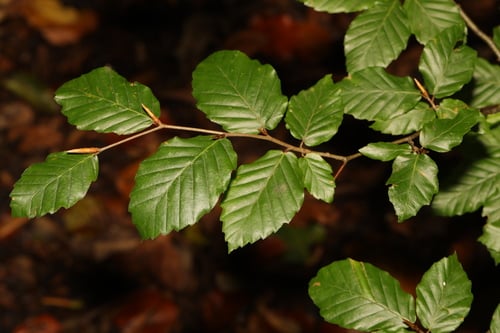
Chinknut: Nuts with pointed tassel, very spiny bur casing, simple toothed leaves.
Synonyms
References (1)
- Plants for a Future database, The Field, Penpol, Lostwithiel, Cornwall, PL22 0NG, UK. http://www.scs.leeds.ac.uk/pfaf/