Prioria copaifera
Griseb.
Cativa
iNaturalist· cc-by-nc
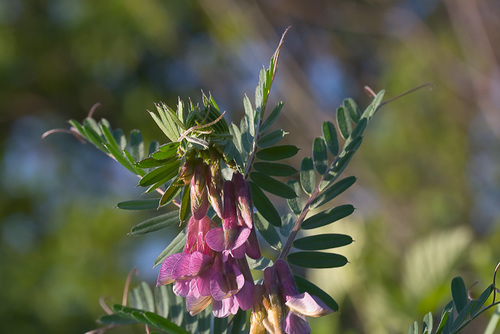
(c) Leonardo Álvarez-Alcázar, some rights reserved (CC BY-NC), uploaded by Leonardo Álvarez-Alcázar
iNaturalist· cc-by-sa
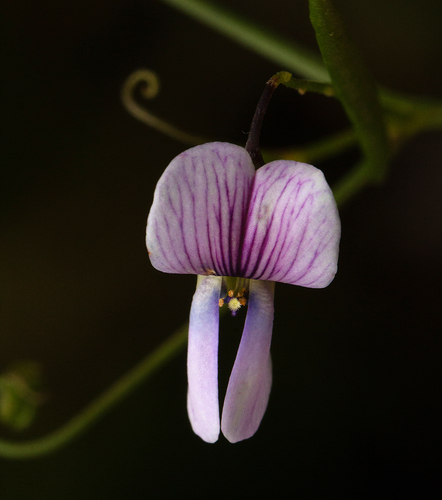
(c) Lena Struwe, some rights reserved (CC BY-SA)
iNaturalist· cc-by-nc
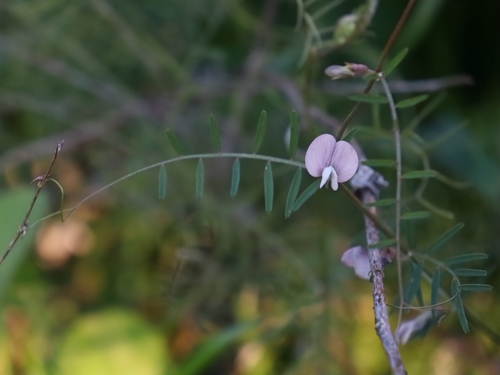
(c) Ricardo Brenes, some rights reserved (CC BY-NC)
Summary
Source: WikipediaPrioria copaifera is a tree in the family Fabaceae. It is native to tropical regions of Central and South America, where it occurs in tidal estuaries behind the mangrove fringe. It ranges from Nicaragua to Colombia and is also found in Jamaica. The wood of Prioria copaifera can be used in carpentry and cabinet-making. Heartwood of the Prioria copaifera tree secretes a black resin when cut. Orchid bees collect this resin for nest construction. In Costa Rica Prioria copaifera is protected as a threatened species. The eco-lodge Playa Cativo is named after the Prioria copaifera.
Description
A tall tree. The trunk is straight and does not have buttresses. It usually only has branches high up. It grows 50 m tall. The crown is dense. The leaves have 4 leaflets that are unequal on either side. They are shiny on top. The flowers are small and white. They are on long stalks. The fruit are flat, round, brown pods. They are curved in on one side. They have one large seed.
Edible Uses
The embryos of the large seeds are eaten and sold in markets.
Traditional Uses
The embryos of the large seeds are eaten.
This uses section is brief — help expand it
Medicinal Uses
The resin obtained from the wood is used as medicine by native Americans. The resin is used to heal cuts and bites and as a general antiseptic.
Distribution
A tropical plant. It grows in swamp forest. It is often just above the mangroves.
Where It Grows
Central America, Colombia, Costa Rica, Jamaica, Nicaragua, Panama, South America, West Indies,
Cultivation
A plant of moist to wet, lowland tropical areas, usually near the coast at elevations up to 40 metres, sometimes up to 150 metres inland. Young plants are tolerant of shade, but older trees require a sunny position. Prefers a rich, loamy soil. The tree grows best in areas that are flooded during the rainy season. The seeds are very buoyant and are often found floating in the water at the edge of lakes.
Propagation
Seed - it normally germinates whilst inside the pod, the shoots growing out of the apex. Root protrusion occurs 30 - 40 days after sowing. The percentage of germination is greater than 85%.
Other Uses
The bark is stripped from trees for making cord. A resin is obtained from the wood. The dark brown, resinous gum obtained by cutting the bole has a stinging taste and is used by natives as a flytrap. The heartwood is medium to light brown, often attractively streaked; it is sharply demarcated from the thick band of sapwood, which is pinkish to white when fresh, becoming dingy on the surface because of oily exudations. The texture is rather fine and uniform; the grain straight; superficially dull but with a golden lustre beneath; there is no distinctive odour or taste. The wood is generally rated as non-durable, particularly in resistance to white rot. It dries rapidly, with no checking and only slight warping; collapse is reported to occur sometimes in the darker streaks in the heartwood, particularly during kiln drying. The wood tends to be wooly when sawn green; it machines well in all operations when dry mostly with smooth surfaces, sometimes with a slight tendency to fuzziness; easy to glue; requires care in finishing because of gum content; fair to good in steambending quality. It is used for purposes such as interior trim, furniture and cabinet work, joinery, veneer and plywood, millwork; it is used to prepare resinstabilized veneer for pattern stock.
Other Information
They are sold in markets.
Notes
Also as Caesalpinaceae.
References (5)
- Condit, R., et al, 2011, Trees of Panama and Costa Rica. Princeton Field Guides. p 182
- Fl. Brit. W. I. 215. 1860
- Hedrick, U.P., 1919, (Ed.), Sturtevant's edible plants of the world. p 517
- Kew Plants of the World Online
- Menninger, E.A., 1977, Edible Nuts of the World. Horticultural Books. Florida p 99