Distichlis spicata
(L.) Green
Perennial saltgrass, Seashore saltgrass
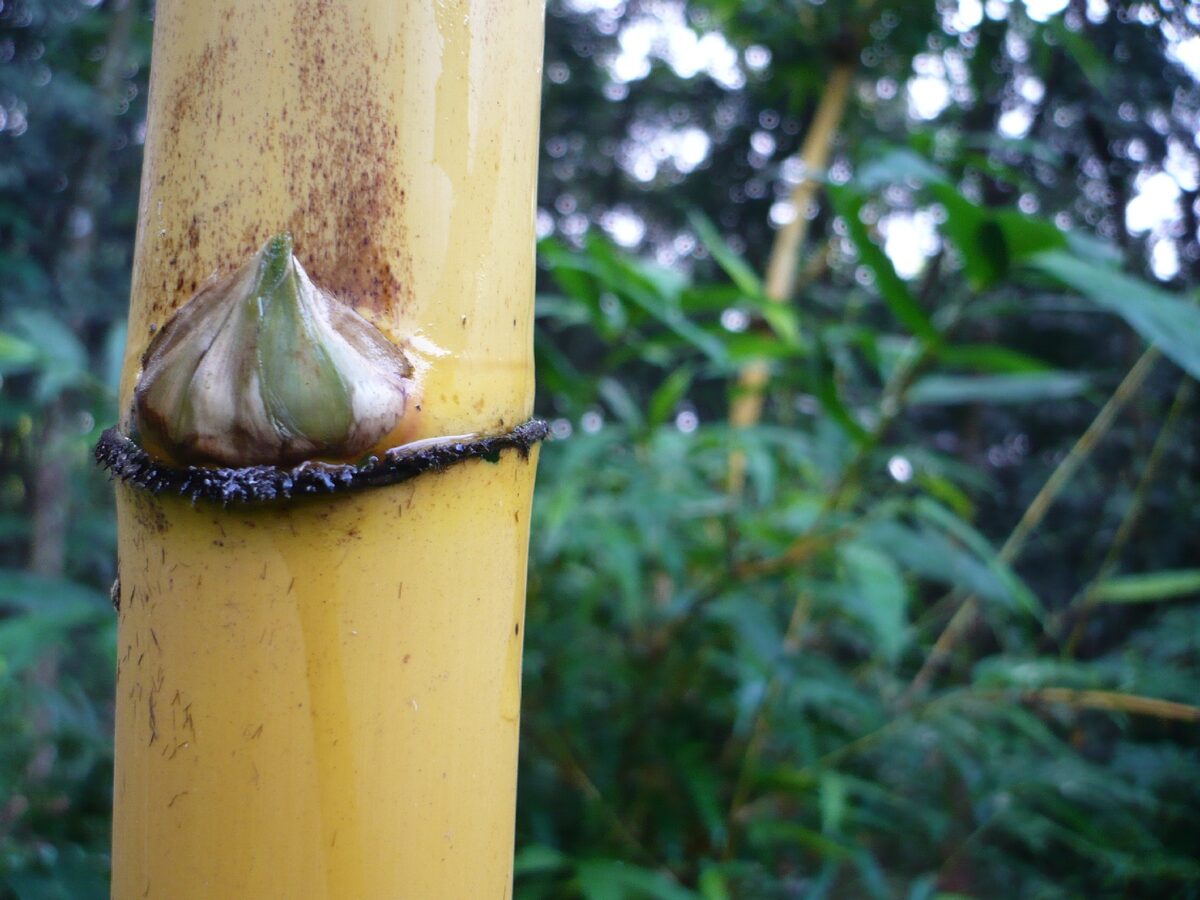
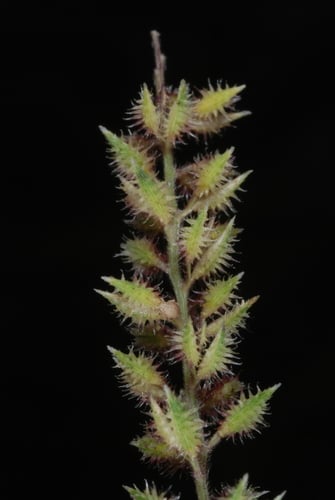
iNaturalist· cc-by
(c) Roberto Daniel Avila, some rights reserved (CC BY), uploaded by Roberto Daniel Avila
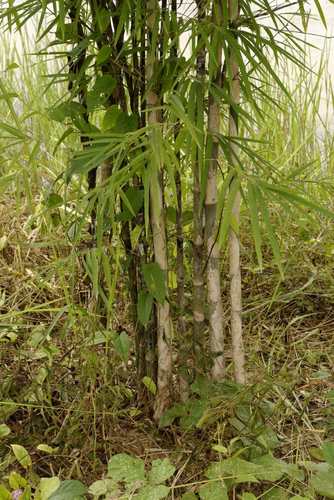
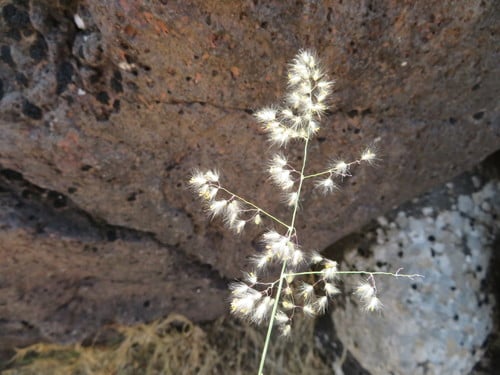
iNaturalist· cc-by-nc
(c) Tim Quinn, some rights reserved (CC BY-NC), uploaded by Tim Quinn
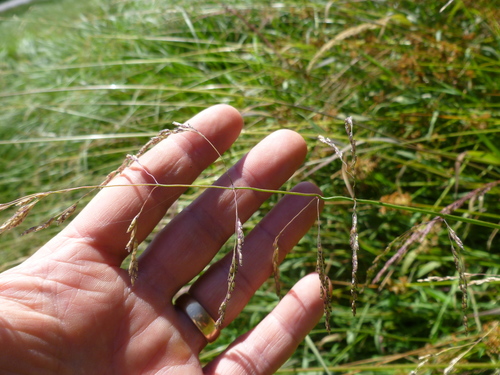
iNaturalist· cc-by-nc
(c) Lauren Glevanik, some rights reserved (CC BY-NC), uploaded by Lauren Glevanik
Summary
Source: WikipediaDistichlis spicata is a species of grass known by several common names, including seashore saltgrass, inland saltgrass, and desert saltgrass. This grass is native to the Americas, where it is widespread. It can be found on other continents as well, where it is naturalized. It is extremely salt tolerant.
Description
A grass. It keeps growing from year to year. It has robust rhizomes. It grows 60 cm tall.
This description is brief — help expand it
Edible Uses
The leaves and stems have been used extensively for food. Dried grass cakes were soaked in water and strained to make a beverage. Native Americans in California used saltgrass primarily as a seasoning, collecting salt crystals by threshing the blades. The salt produced is gray-green and said to taste like a salty dill pickle. The plant has also been burnt and its ashes used as a salt-rich food flavouring. Salt was traditionally harvested by pulling up the grass, flailing or beating the stems over baskets, then sifting away debris to leave usable salt — a valuable resource in areas where natural salt sources were scarce. Unlike the closely related Palmer's saltgrass (Distichlis palmeri), which was harvested for its grain along the Colorado River delta, desert saltgrass was not used as a grain source.
Traditional Uses
A spice probably salt was used as flavouring.
This uses section is brief — help expand it
Medicinal Uses
Saltgrass is a respiratory allergenic plant offered by Miles Pharmaceutical and used by Florida physicians to treat respiratory allergies. An infusion of the plant is used as a laxative and in the treatment of gonorrhoea and fast heart rate. A decoction of salt obtained from the plant is cooked into a gum and allowed to melt to treat bad colds and loss of appetite.
Distribution
It is a temperate or Mediterranean plant. In Argentina it grows from sea level to 3,600 m above sea level.
Where It Grows
Argentina, Australia, Bahamas, Belize, Bolivia, Canada, Chile, Colombia, Cuba, Dominican Republic, Ecuador, Guatemala, Haiti, Hawaii, Mexico, North America, Peru, South America*, Uruguay, USA, West Indies,
Propagation
Seed benefits from both stratification and scarification. Sow in a seedbed, barely covering the seed, in a sunny position, ensuring the seed does not dry out. Seeds from a California salt marsh germinated at 76% when scarified, 94% when stratified at 4°C, and 28% when left untreated. A daily temperature regime of 10°C for 16 hours and 40°C for 8 hours produced the best germination rates. Seeds 8 months old germinate more freely than fresh seed. Division is very easy at any time of year.
Other Uses
Saltgrass is considered an outstanding species for controlling wind and water erosion, owing to its extensive system of rhizomes and roots that form a dense sod. The thick, entangled roots of salt marsh plants act as a buffer between the ocean and the shore, protecting land from pollutants and chemicals in runoff water. It is particularly useful in saline and alkaline wetlands. The plant has established successfully on land with very high concentrations of copper, manganese and zinc; it grows healthily but largely excludes these metals from its foliage, so cannot be used to remove contaminants from the soil. Saltgrass culms have been used as a cleaning agent; the stiffness of the leaves makes them effective for scrubbing implements or removing cactus thorns from objects.
Synonyms
Also Known As
Chepica, Grama brava, Grama salada, Gramilla del salitral, Pas-pasto puna, Pasto salado, Pelo de chancho
References (5)
- USDA plants
- Davies, C. L., Waugh, D. L. & Lefroy, E. C., 2005, Perenial Grain Crops for High Water Use. The case of Microlaena stipoides. RIRDC Publication No. 05/024 (As Distichis)
- Kew Plants of the World Online
- Leon-Lobos, P., et al, 2022, Patterns of Traditional and Modern Uses of Wild Edible Native Plants of Chile: Challenges and Future Perspectives. Plants (Basel) v 11 (6) Table S1
- Malezas Comestibles del Cono Sur, INTA, 2009, Buernos Aires