Glenniea africana
(Radlk.) Leenh.
gbif· cc-by
Royal Botanic Gardens, Kew
gbif· cc-by
Royal Botanic Gardens, Kew
Description
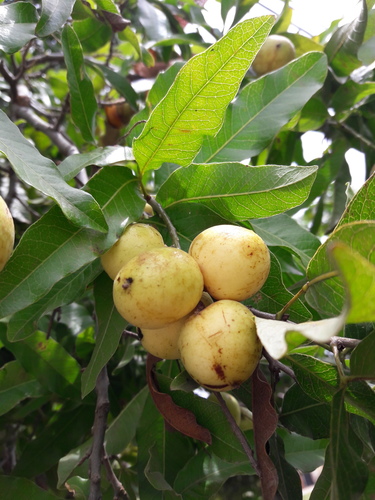
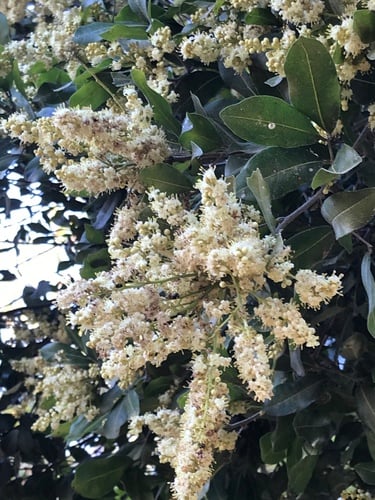
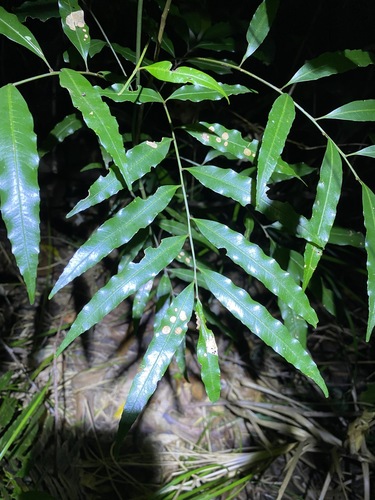
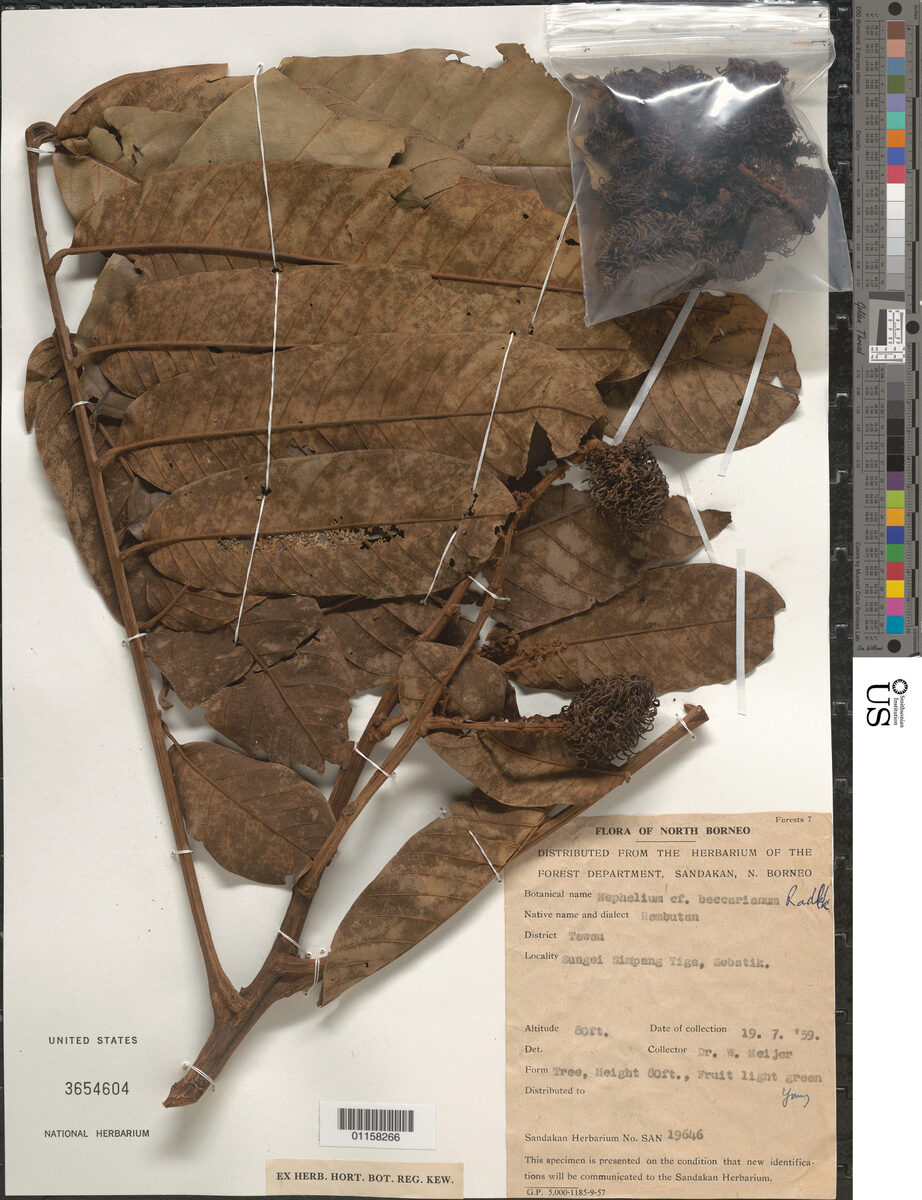
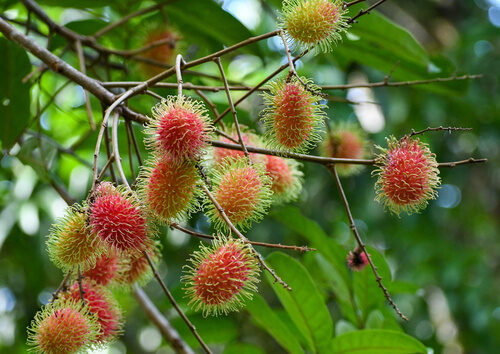
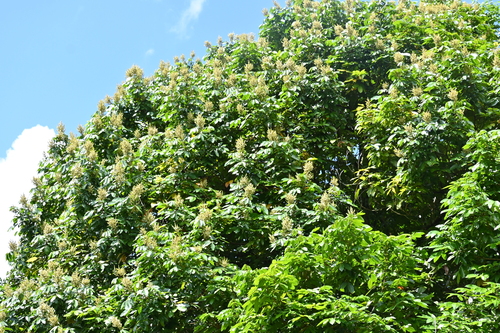
A tree. It grows 24 m high. The bark is rough brown and smooth in small trees. The leaves are compound with 2-3 pairs of leaflets along the stalk. The leaves are alternate and the leaflets are opposite. The leaves are 3-25 cm long by 2-11 cm wide. The lowest leaflet is smaller. The leaves are yellow when young and turn pink then pale green. The flowers are at the ends of branches, in the axils of the leaves and can be on the trunk. They are in groups 5-15 cm long. The flowers are small and pale pink or yellow. The fruit are oval and orange. They are hairy and like berries. They are 2 cm long by 2.5 cm wide.
Edible Uses
The fruits are eaten.
Distribution
It is a tropical plant. It grows in dry lowland forests and along rivers. It occurs between 30-2,000 m above sea level.
Where It Grows
Africa, Cameroon, Congo DR, East Africa, Gabon, Kenya, Malawi, Mozambique, Nigeria, Sudan, Tanzania, Uganda, West Africa, Zimbabwe,
Cultivation
A dioecious species, both male and female forms need to be grown if fruit and seed are required.
Other Uses
The wood is hard and heavy. It is used for poles, tool handles, spoons. The wood is used for fuel and to make charcoal.
Synonyms
Also Known As
Chacuane, Chacuare
References (2)
- Lovett, J. C. et al, Field Guide to the Moist Forest Trees of Tanzania. p 154
- von Katja Rembold, 2011, Conservation status of the vascular plants in East African rain forests. Dissertation Universitat Koblenz-Landau p 168