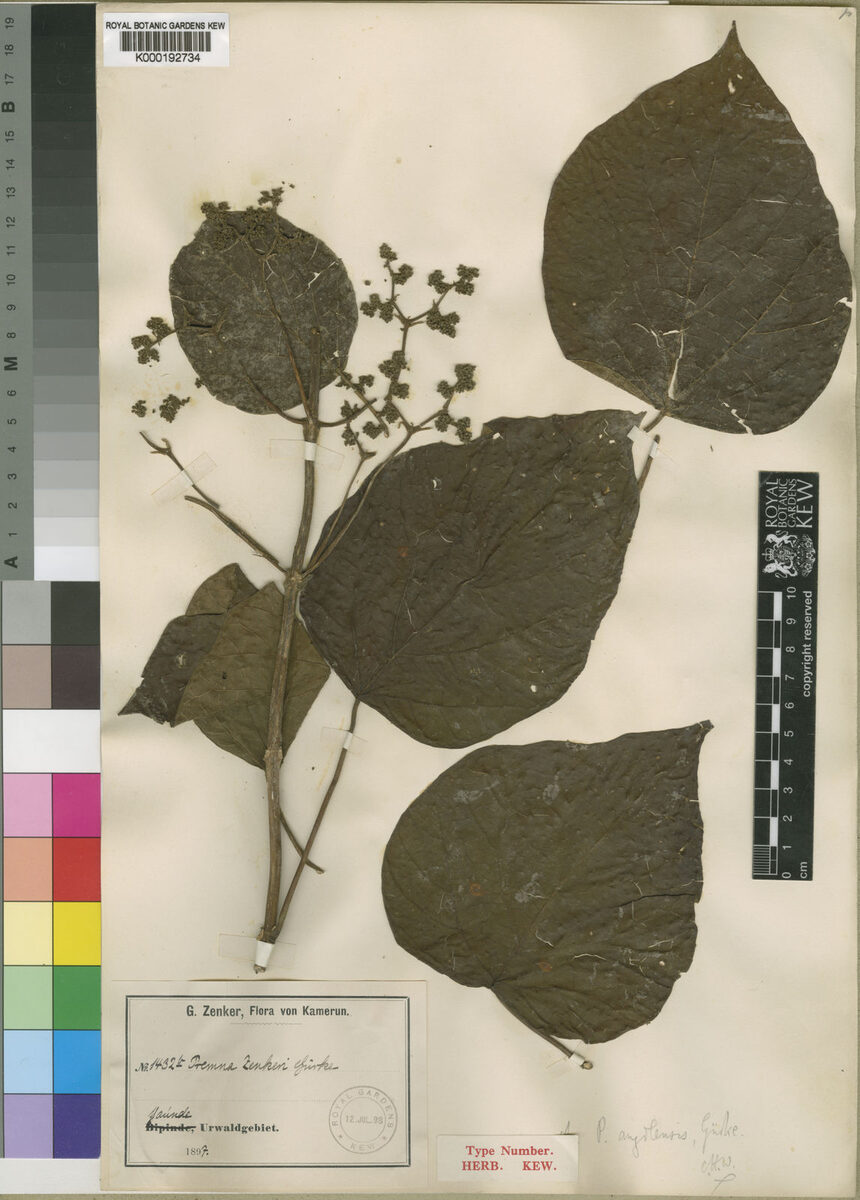
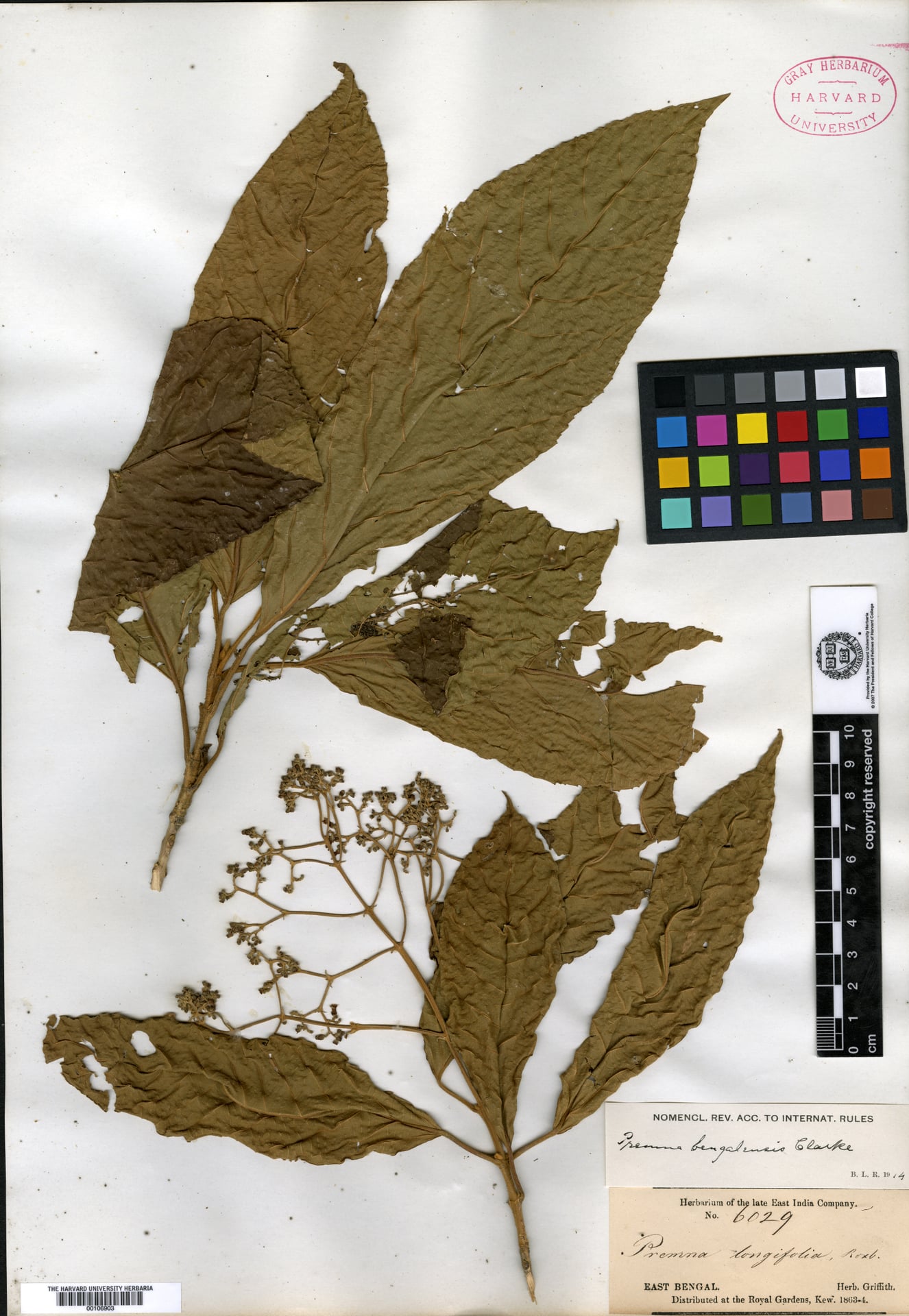
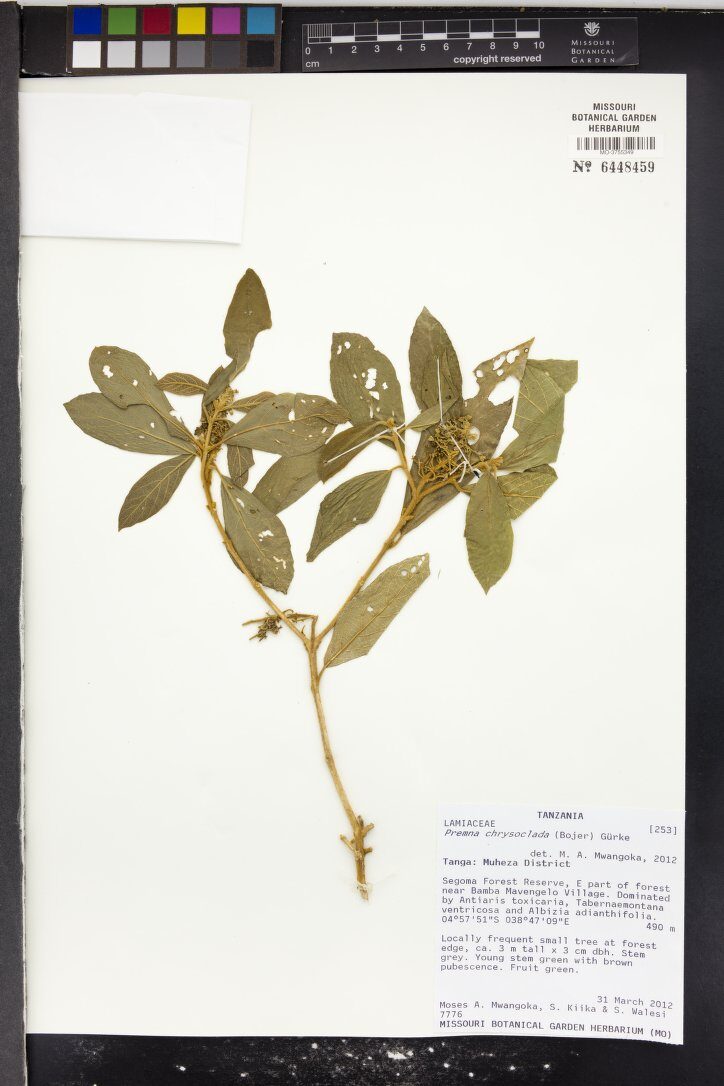
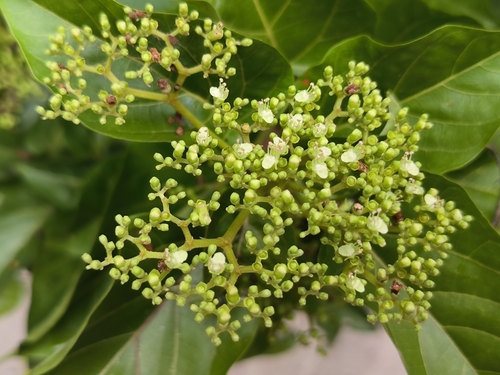
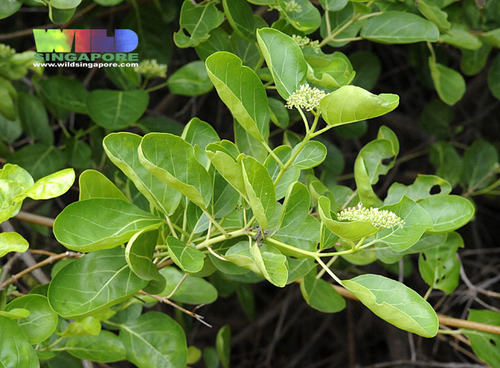
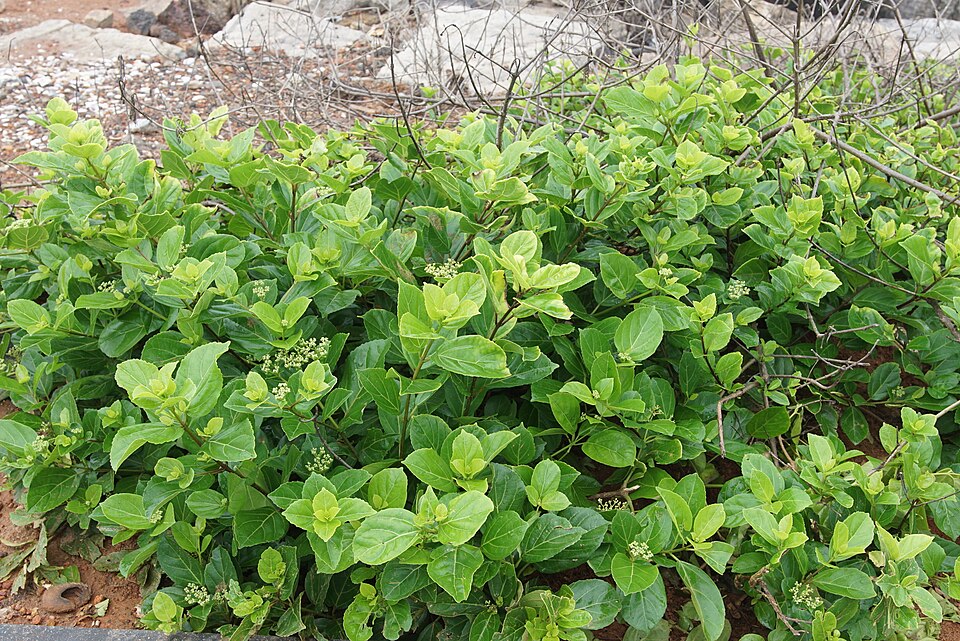
Vitex orinocensis
Kunth
Orinoco chastetree
iNaturalist· cc-by-nc
(c) Breno Farias, some rights reserved (CC BY-NC), uploaded by Breno Farias
iNaturalist· cc-by-nc
(c) Breno Farias, some rights reserved (CC BY-NC), uploaded by Breno Farias
iNaturalist· cc-by-nc
(c) Frederico Acaz Sonntag, some rights reserved (CC BY-NC), uploaded by Frederico Acaz Sonntag
Summary
Source: WikipediaVitex orinocensis is a species of tree in the family Lamiaceae. It is native to South America.
Description
A large tree. It grows 20 m tall. The fruit are black. They contain one seed.
This description is brief — help expand it
Edible Uses
The fruit are eaten, especially by children, and are occasionally sold in local markets.
Distribution
It is a tropical plant. It grows on secondary forest on the floodplains in the Amazon.
Where It Grows
Amazon, Brazil*, Colombia, Ecuador, French Guiana, Guianas, Guyana, Peru*, South America, Suriname, Venezuela*,
Other Uses
The wood is hard. It is used in construction. We have no more information on the wood for this species. However, we have a general description for the wood of S. American species of this genus, which is as follows:- The heartwood is variable according to the species, ranging from yellowish-brown through deep brown, olive-green or olive-brown; it is usually not sharply demarcated from the whitish, yellow, or pale brown sapwood. The texture is rather fine to moderately coarse; the grain straight, sometimes irregular; lustre ranges from low to high; there is no distinctive odour or taste. A silica content of 0.76% is reported. Depending on the species, durability varies from moderately durable to very durable when exposed to a white-rot and brown-rot fungus. Actual field exposures show some species as durable and others as susceptible to attack by decay fungi and insects. Reports are also variable on seasoning, material from Panama had a moderate drying rate and no appreciable defects. The wood is easy to work with both hand and machine tools, though there is some tearing if grain is irregular; it takes a high polish. It is used for purposes such as furniture, millwork, veneer and plywood, general carpentry, mallet heads, chisel handles and flooring.
Production
The fruit ripen at the end of the dry season.
Other Information
The fruit are especially eaten by children. They are enjoyed and are occasionally sold in markets.
Notes
Also put in the family Verbenaceae.
Also Known As
Aceituno, Corminon, Guarataro, Pinarano, Taruma preto, Taruma, Totumillo
References (6)
- Grandtner, M. M. & Chevrette, J., 2013, Dictionary of Trees, Volume 2: South America: Nomenclature, Taxonomy and Ecology. Academic Press p 695
- Kermath, B. M., et al, 2014, Food Plants in the Americas: A survey of the domesticated, cultivated and wild plants used for Human food in North, Central and South America and the Caribbean. On line draft. p 919
- Kew Plants of the World On line
- Lopez-Diago, D. & Garcia, N., 2021, Wild edible fruits of Colombia. Biota ColomBiana 22 (2) p 40
- Roa, J. A. G. & Boada, D. S. G., 2018, Fundación para el Fortalecimiento de la Fruticultura y Plantas Alimenticias no Convencionales en Colombia.
Show all 6 references Hide references
- Smith, N., et al, 2007, Amazon River Fruits. Flavors for Conservation. Missouri Botanical Gardens Press. p 252