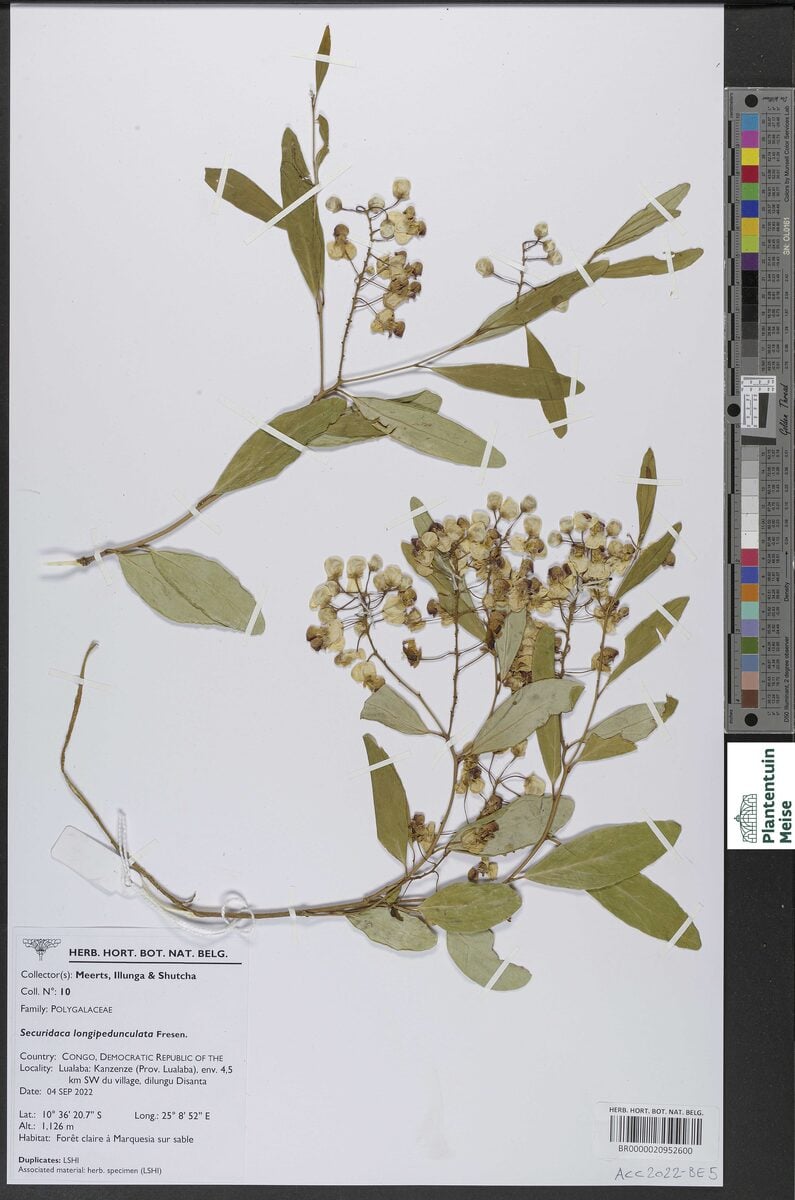
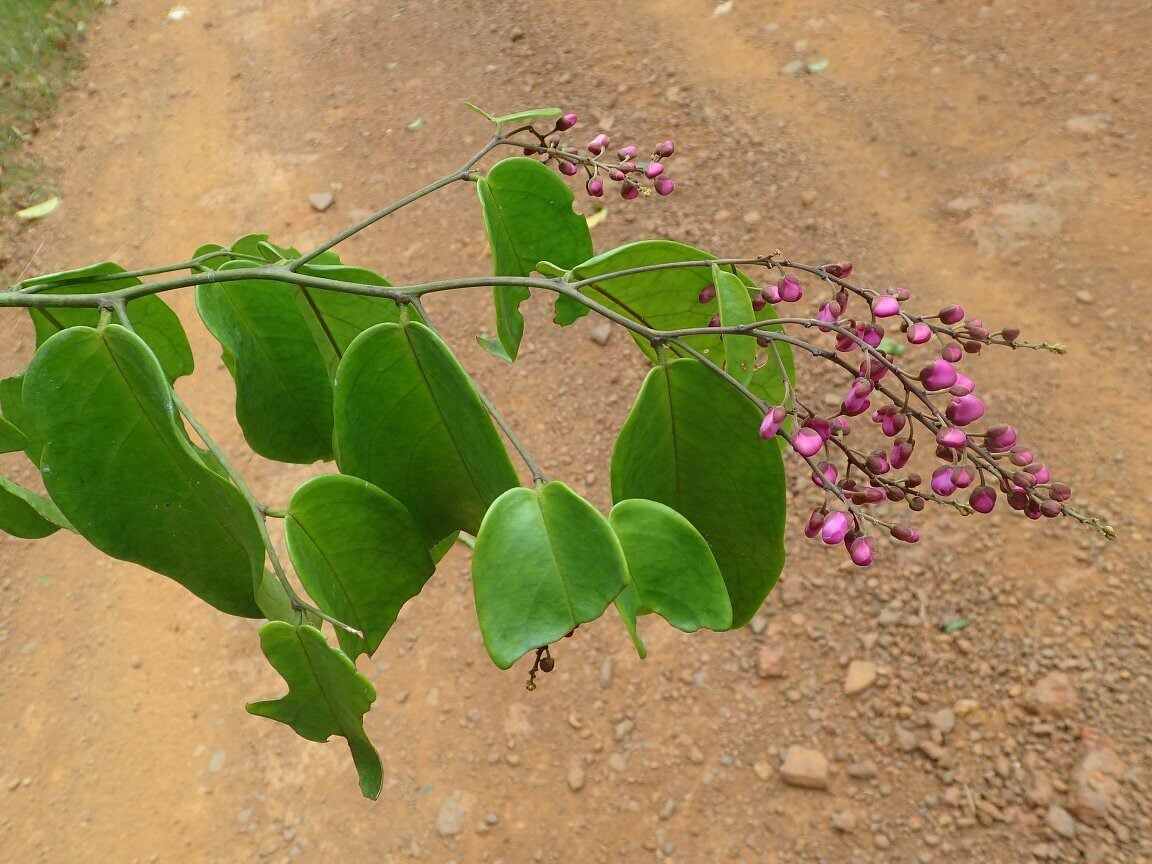
Moutabea aculeata
(Ruiz & Pav.) Peopp. & Endl.
Prickly moutabea
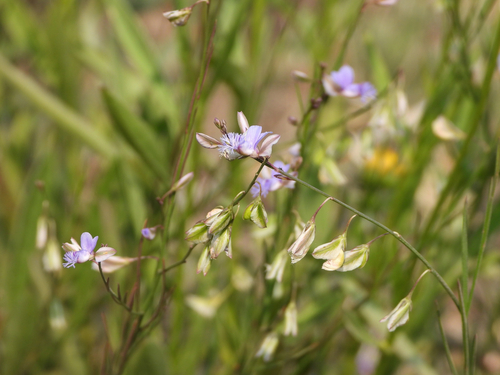
iNaturalist· cc-by-nc
(c) Riley Fortier, some rights reserved (CC BY-NC), uploaded by Riley Fortier
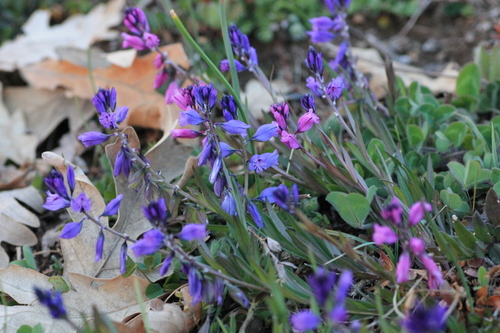
iNaturalist· cc-by-nc
(c) Riley Fortier, some rights reserved (CC BY-NC), uploaded by Riley Fortier
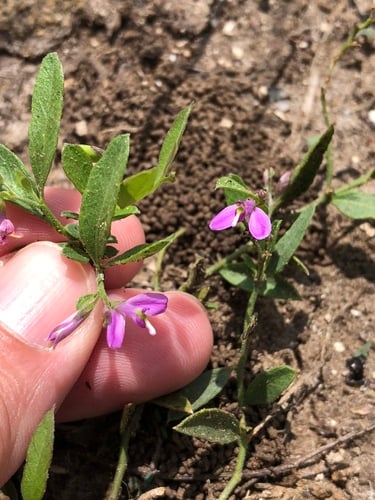
iNaturalist· cc-by-nc
(c) Riley Fortier, some rights reserved (CC BY-NC), uploaded by Riley Fortier
Description
A creeper or slender tree. It can be 30 m long. The fruit are 3.5 cm long by 3 cm wide. They have a yellow pulp. There are 4 light brown seeds. These are 2 cm long by 1 cm wide. The pulp is eaten.
Edible Uses
The yellow pulp of the fruit is eaten.
Distribution
It is a tropical plant. It grows in floodplain forests and on uplands. It grows up to 1,500 m above sea level in the Andes.
Where It Grows
Amazon, Bolivia*, Brazil*, Central America, Colombia, Costa Rica*, Ecuador, Guiana, Guyana, Panama, Peru*, South America, Venezuela,
Production
Food are produced in the rainy season. Fruit are harvested from the ground.
Synonyms
Also Known As
Achaucharucilli, Caimito del monte, Coto huayo, Gogo de guariba, Gogozinho, Guapomocillo, Guapurucillo, Jazmin, Kerunch, Megowe, Menemo, Meta huayo, Ojo de venado
References (6)
- Grandtner, M. M. & Chevrette, J., 2013, Dictionary of Trees, Volume 2: South America: Nomenclature, Taxonomy and Ecology. Academic Press p 424
- Kermath, B. M., et al, 2014, Food Plants in the Americas: A survey of the domesticated, cultivated and wild plants used for Human food in North, Central and South America and the Caribbean. On line draft. p 552
- Macbride. J. F., 1949, Flora of Peru. Malpighiaceae. Field Museum Natural History. Chicago. p 948
- Roa, J. A. G. & Boada, D. S. G., 2018, Fundación para el Fortalecimiento de la Fruticultura y Plantas Alimenticias no Convencionales en Colombia. (Also as Moutabea longifolia)
- Smith, N., et al, 2007, Amazon River Fruits. Flavors for Conservation. Missouri Botanical Gardens Press. p 217
Show all 6 references Hide references
- Torre, de la, L., et al, 2008, Enciclopedia de las Plantas Útiles del Ecuador. Herbario QCA. Pontificia Universidad Católica del Ecuador. p 524 (Also as Moutabea longifolia)