Miconia serrulata
(DC.) Naudin
iNaturalist· cc-by-nc
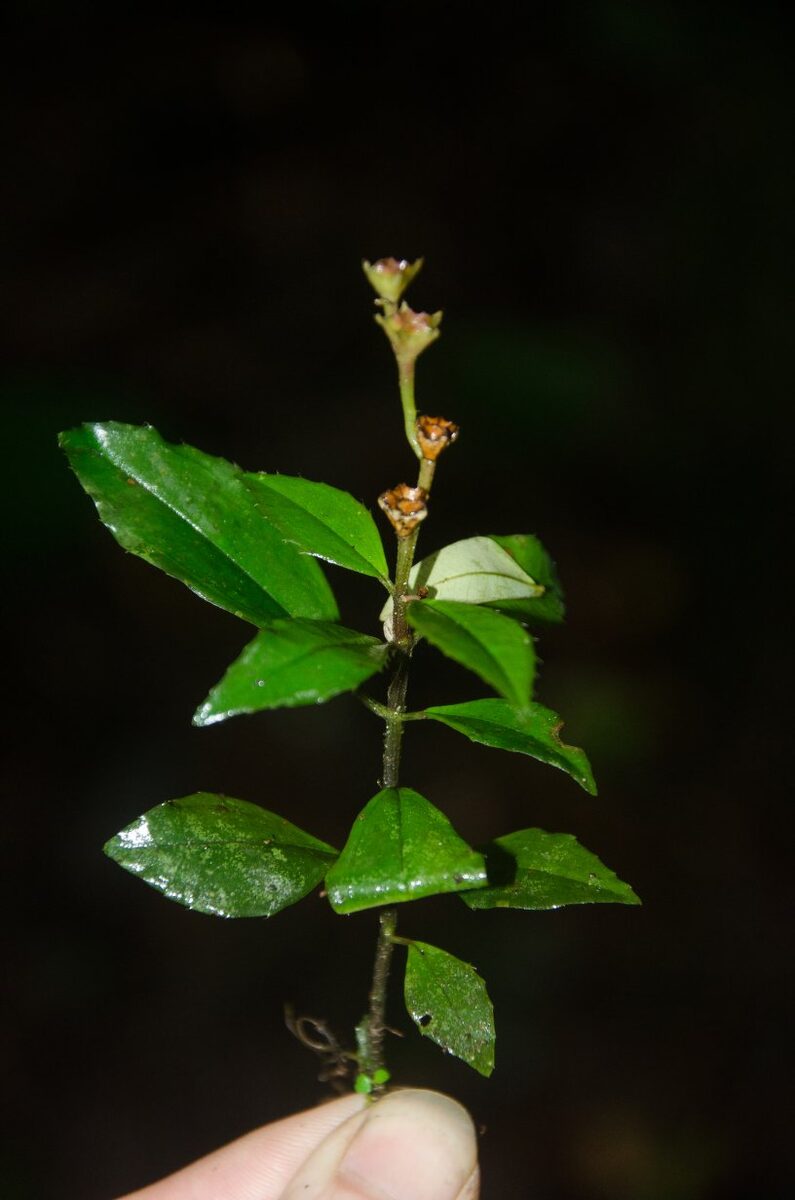
(c) Riley Fortier, some rights reserved (CC BY-NC), uploaded by Riley Fortier
iNaturalist· cc-by
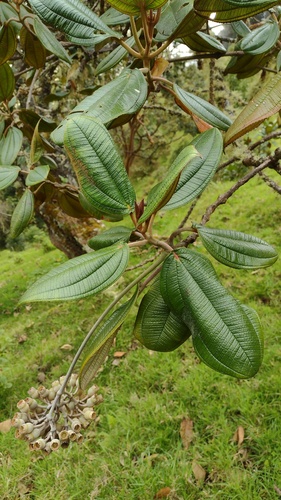
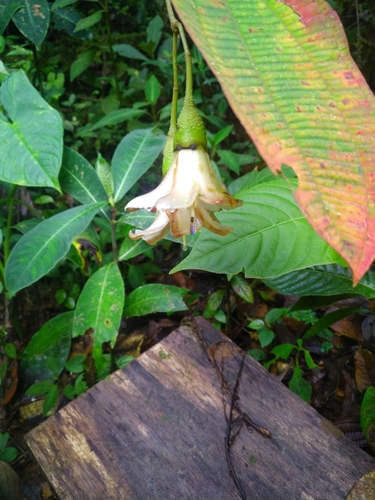
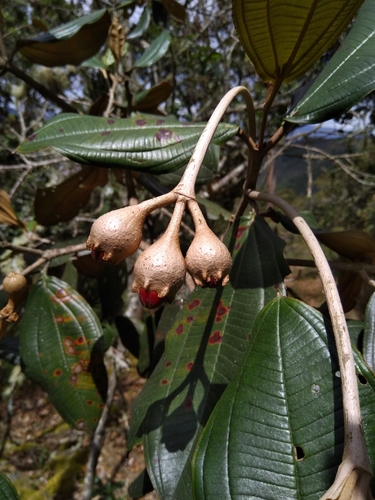
(c) Wes Gapp, some rights reserved (CC BY)
Description
A shrub. It can grow 15 m tall. The fruit are dark blue and pear shaped. They are 1.2 cm long by 1 cm wide. They have a soft skin and a purple pulp. There are many small seeds.
Edible Uses
The fruit including seeds are eaten, especially by children.
Traditional Uses
The fruit including seeds are eaten.
This uses section is brief — help expand it
Distribution
It is a tropical plant. It grows in both uplands and flood plains. It grows in light gaps in the forest. It grows up to 1,800 m above sea level.
Where It Grows
Amazon, Belize, Bolivia, Brazil, Caribbean, Central America, Colombia, Costa Rica, Dominican Republic, Ecuador, French Guiana, Guatemala, Guianas, Guyana, Haiti, Honduras, Jamaica, Mexico, Nicaragua, Panama, Peru, Puerto Rico, South America, Suriname, Trinidad-Tobago, Venezuela, West Indies,
Production
Plants can fruit when 1-2 m tall.
Other Information
The fruit are eaten especially by children.
Notes
It can spread as a problem weed.
Synonyms
Also Known As
Camasey, Chanchak, Jau-jau, Matapasto, Mortino, Rifari
References (6)
- Fouqué, A., 1972, Espèces fruitières d'Amérique tropicale. Institut français de recherches fruitierès outre-mer (As Miconia macrophylla)
- Kermath, B. M., et al, 2014, Food Plants in the Americas: A survey of the domesticated, cultivated and wild plants used for Human food in North, Central and South America and the Caribbean. On line draft. p 538
- Kew Plants of the World On line
- Reis, S. V. and Lipp, F. L., 1982, New Plant Sources for Drugs and Foods from the New York Botanical Garden herbarium. Harvard. p 216
- Roa, J. A. G. & Boada, D. S. G., 2018, Fundación para el Fortalecimiento de la Fruticultura y Plantas Alimenticias no Convencionales en Colombia.
Show all 6 references Hide references
- Smith, N., et al, 2007, Amazon River Fruits. Flavors for Conservation. Missouri Botanical Gardens Press. p 179