Bellucia imperialis
Saldanha & Cogn.
Goiaba-de-anta-vermelha
gbif· cc-by-nc-nd
Tomaz Nascimento de Melo
gbif· cc-by-nc-nd
Tomaz Nascimento de Melo
gbif· cc-by-nc
Franciele
Description
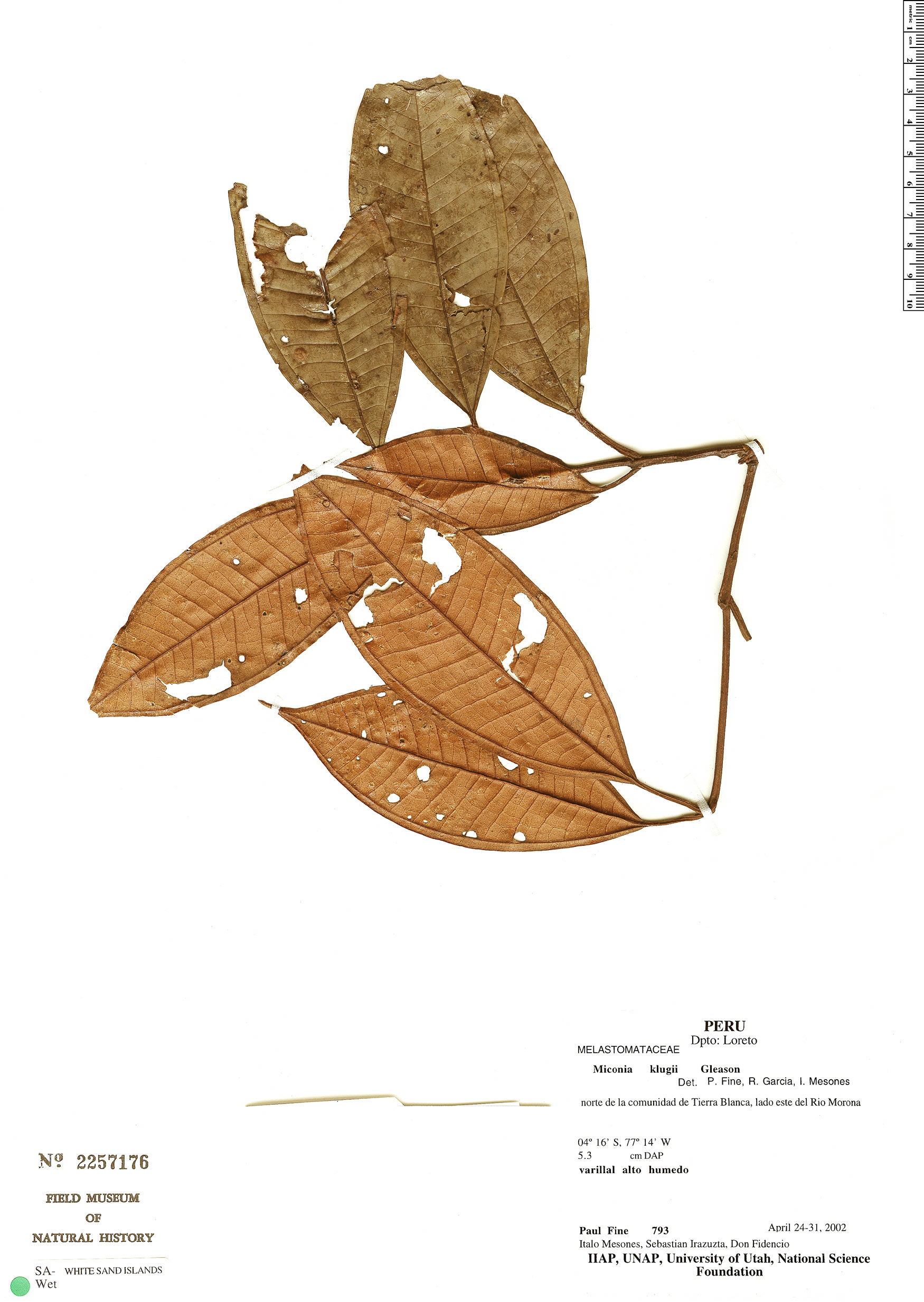
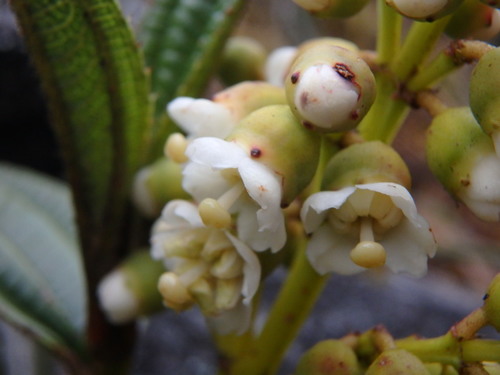
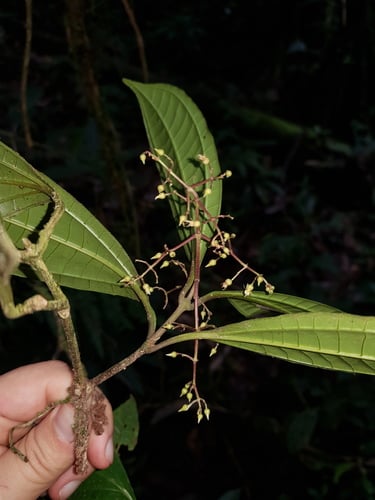
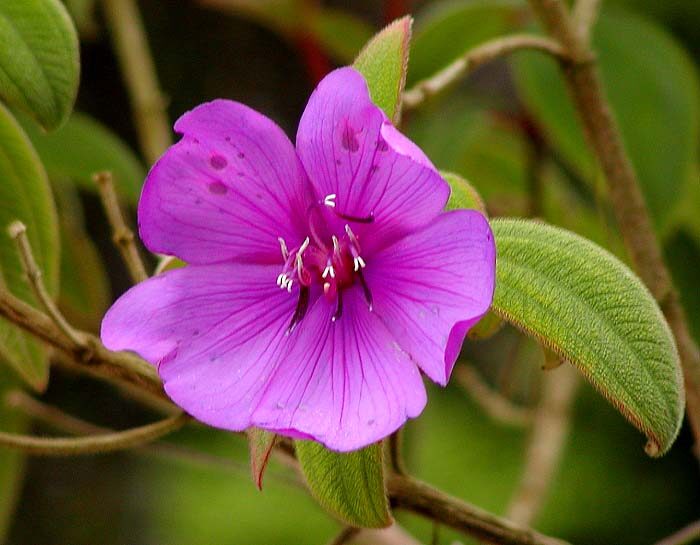
An evergreen tree. It grows 8-14 m tall. The leaves are papery and lighter green underneath. They are 12-25 cm long and rounded. The flowers grow on the stem. The fruit are round and yellow. The skin is thin and the pulp is dense. The seeds are very small.
Edible Uses
The fruit are eaten fresh and mostly used for juice. They can be a significant food source.
Traditional Uses
The fruit are eaten fresh. They are mostly used for juice.
This uses section is brief — help expand it
Distribution
A tropical plant. It grows in dryland vegetation in the Amazon in Brazil.
Where It Grows
Amazon, Bolivia, Brazil*, South America,
Cultivation
Plants are grown from seed. Seeds are collected from ripe fruit. The fruit are placed in plastic bags to partly decompose the fruit to allow easy removal of seeds. The seeds are small and are washed using a fine sieve. The fine seeds are planted fresh by scattering over the ground. Seedlings emerge in 10-20 days.
Production
The tree grows rapidly.
Other Information
They can be a significant food.
Also Known As
Araca-de-anta-vermelha, Goiaba-de-anta, Papa-terra-vermelha
References (4)
- Kermath, B. M., et al, 2014, Food Plants in the Americas: A survey of the domesticated, cultivated and wild plants used for Human food in North, Central and South America and the Caribbean. On line draft. p 126
- Lorenzi, H., Bacher, L., Lacerda, M. & Sartori, S., 2006, Brazilian Fruits & Cultivated Exotics. Sao Paulo, Instituto Plantarum de Estuados da Flora Ltda. p 171
- Lorenzi, H., 2009, Brazilian Trees. A Guide to the Identification and Cultivation of Brazilian Native Trees. Instituto Plantarum de Estuados da Flora Ltda. Vol. 3 p 204
- Reis, S. V. and Lipp, F. L., 1982, New Plant Sources for Drugs and Foods from the New York Botanical Garden herbarium. Harvard. p 212