Inga acuminata
Benth.
iNaturalist· cc0
no rights reserved
Description
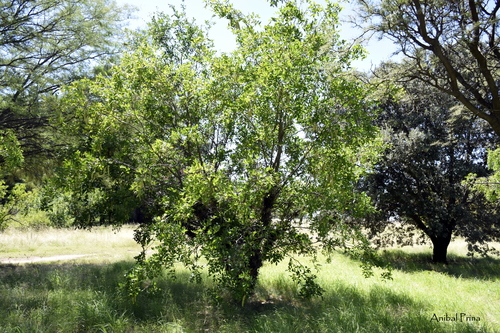
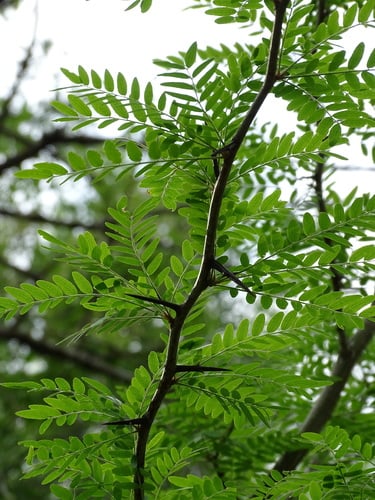
A tree. It grows 15-22 m tall. The fruit are long green pods. They can be 14 cm long by 2 cm wide. The pulp around the seeds is sweet. The pods bulge around the seeds.
Edible Uses
Fruit - raw. The white pulp surrounding the seeds is eaten. The yellowish or black seedpod is 8 - 20cm long.
Traditional Uses
The pulp around the seeds is eaten.
This uses section is brief — help expand it
Distribution
It is a tropical plant. It can tolerate floods. It grows on the floodplains of the Amazon and up to 1,200 m above sea level.
Where It Grows
Amazon, Bolivia, Brazil, Caribbean, Central America, Colombia, Costa Rica, Ecuador, Panama, Peru*, South America, Trinidad-Tobago, Venezuela*, Windward Is.,
Cultivation
Plants grow easily from seeds. Seeds germinate in 1-2 weeks given moisture and shade.
Other Uses
The wood of Inga species is generally attractive, but it has a coarse texture, is susceptible to attack by dry-wood termites and is not durable in the soil. The wood is used for fuel.
Notes
Also as Mimosaceae.
Synonyms
Also Known As
Barbasco pakay, Chunta pakay, Mimontan, Mimontawe, Nina pakay, Pilingas, Shimbillo rabo de mono, Shimbillo delgado, Guamo
References (4)
- Kew Plants of the World On line
- Roa, J. A. G. & Boada, D. S. G., 2018, Fundación para el Fortalecimiento de la Fruticultura y Plantas Alimenticias no Convencionales en Colombia.
- Smith, N., et al, 2007, Amazon River Fruits. Flavors for Conservation. Missouri Botanical Gardens Press. p 114
- Torre, de la, L., et al, 2008, Enciclopedia de las Plantas Útiles del Ecuador. Herbario QCA. Pontificia Universidad Católica del Ecuador. p 342