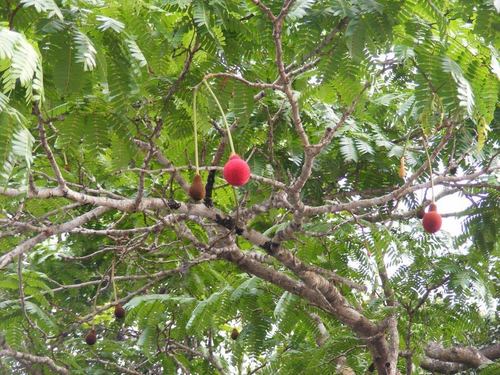
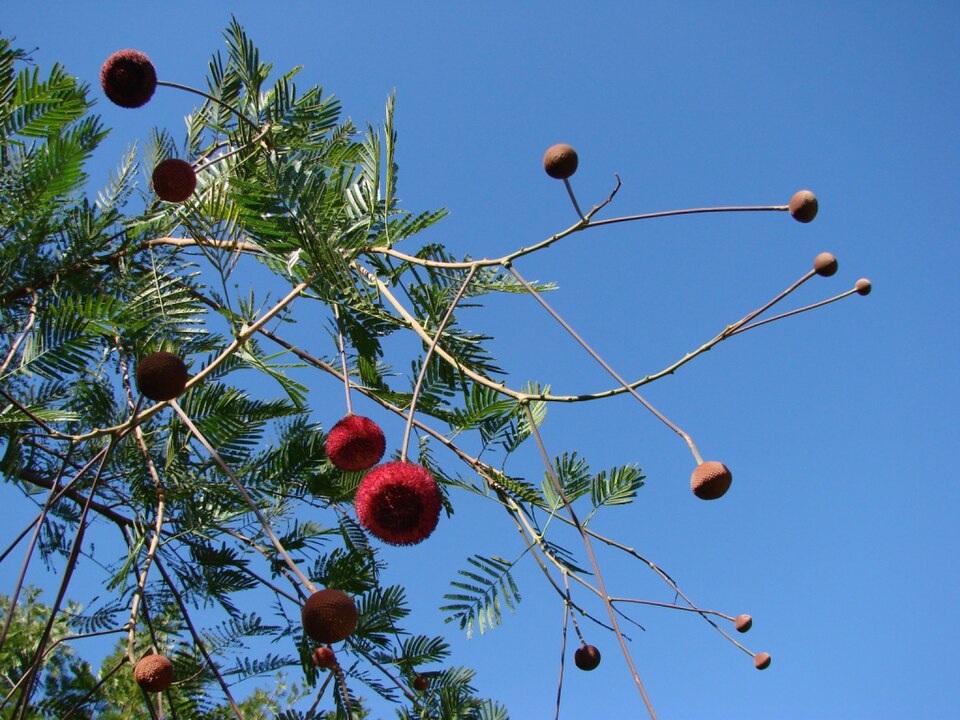
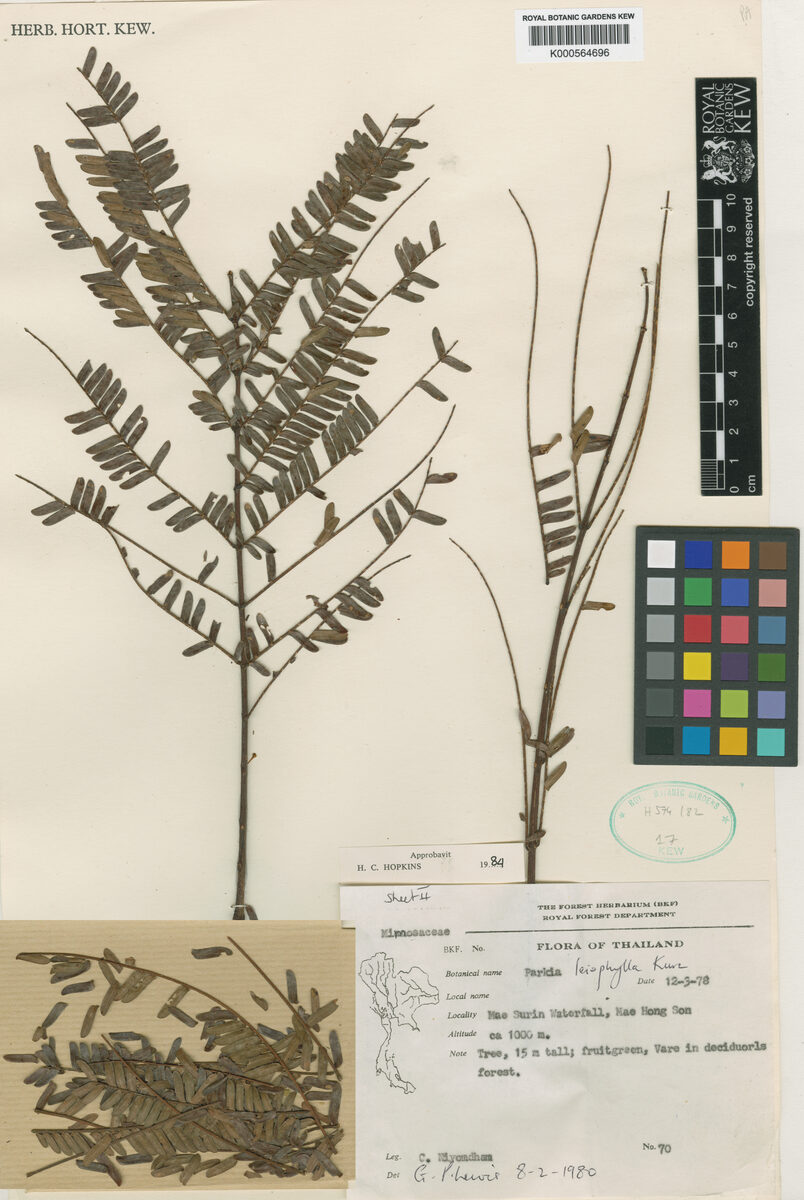
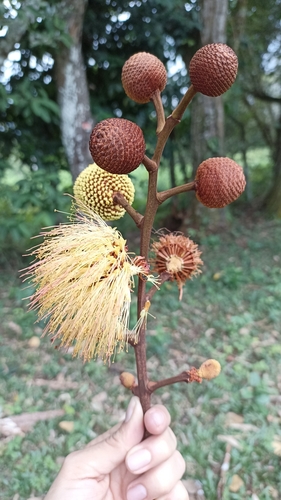
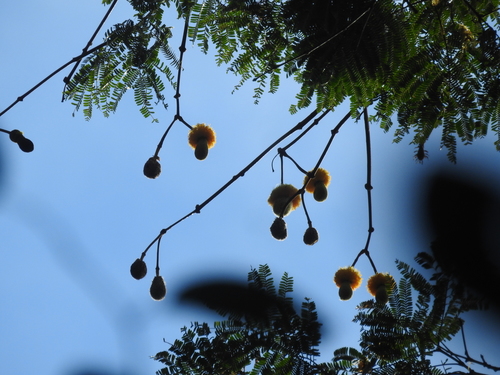
Astragalus brachycalyx subsp. eriostylus
(Boiss. & Haussk.) Zarre
gbif· cc-by-nc
Ivan Kroupsky
gbif· cc-by-nc
Ivan Kroupsky
gbif· cc-by-nc
Ivan Kroupsky
Summary
Source: WikipediaAstragalus brachycalyx, the Persian manna or manna, whose name is derived from the Greek ‘brachy’ meaning "short" and ‘calyx’ meaning the sepal of a flower, is a species of legume commonly found on rocky mountain slopes in western Asia, from western Iran and northern Iraq to Turkey, and is commonly used as a source of gum tragacanth. The sweet honeydew of the plant lice Cyamophila astragalicola secreted onto A. brachycalyx is an essential component of traditional gaz, the Persian form of nougat produced in Isfahan, Iran.
Description
A temperate herb in the Fabaceae family.
This description is brief — help expand it
Edible Uses
Manna and gum from the plant are edible.
Distribution
It is a temperate plant.
Where It Grows
Asia, Iran, Kuwait, Middle East,
Notes
There are 2,000 Astragalus species.
Synonyms
References (3)
- Bircher, A. G. & Bircher, W. H., 2000, Encyclopedia of Fruit Trees and Edible Flowering Plants in Egypt and the Subtropics. AUC Press. p 46 (As Astragalus florulentus)
- Hedrick, U.P., 1919, (Ed.), Sturtevant's edible plants of the world. p 83 (As Astragalus florulentus)
- Middleditch, B. S., 1991, Kuwaiti Plants: Distribution, Traditional Medicine, Phytochemistry, Pharmacology and Economic Value. Studies in Plant Science, 2. Elsevier p 13 (As Astragalus florulentus)