Microcos antidesmifolia
(King) Burret
iNaturalist· cc-by
(c) Adam Kamal, some rights reserved (CC BY), uploaded by Adam Kamal
iNaturalist· cc-by
(c) Adam Kamal, some rights reserved (CC BY)
Description
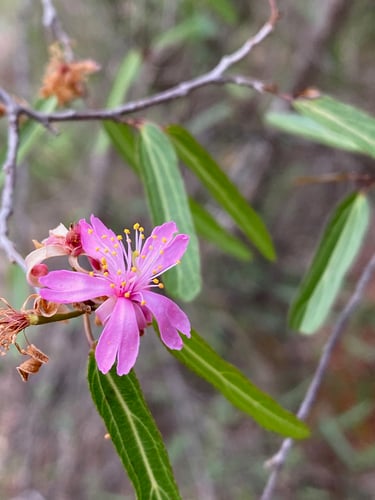
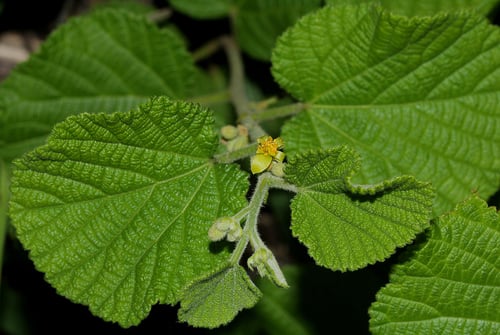
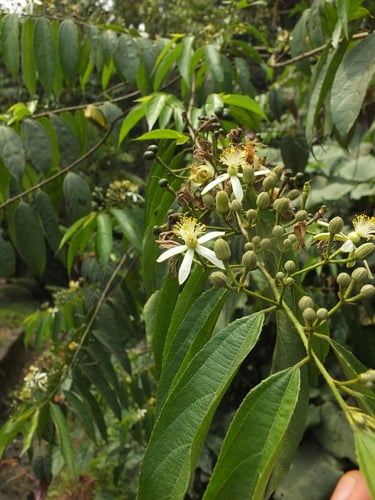
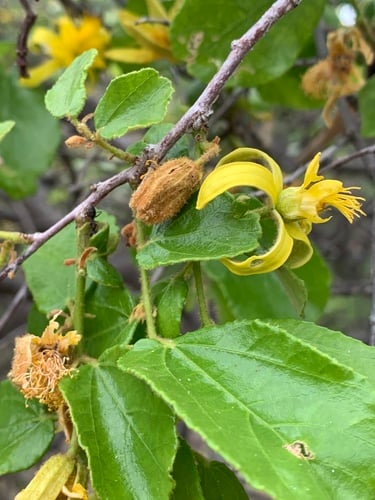
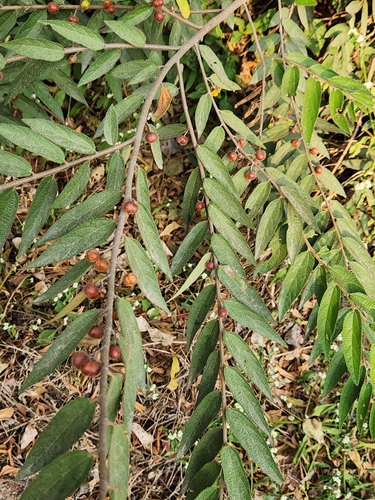
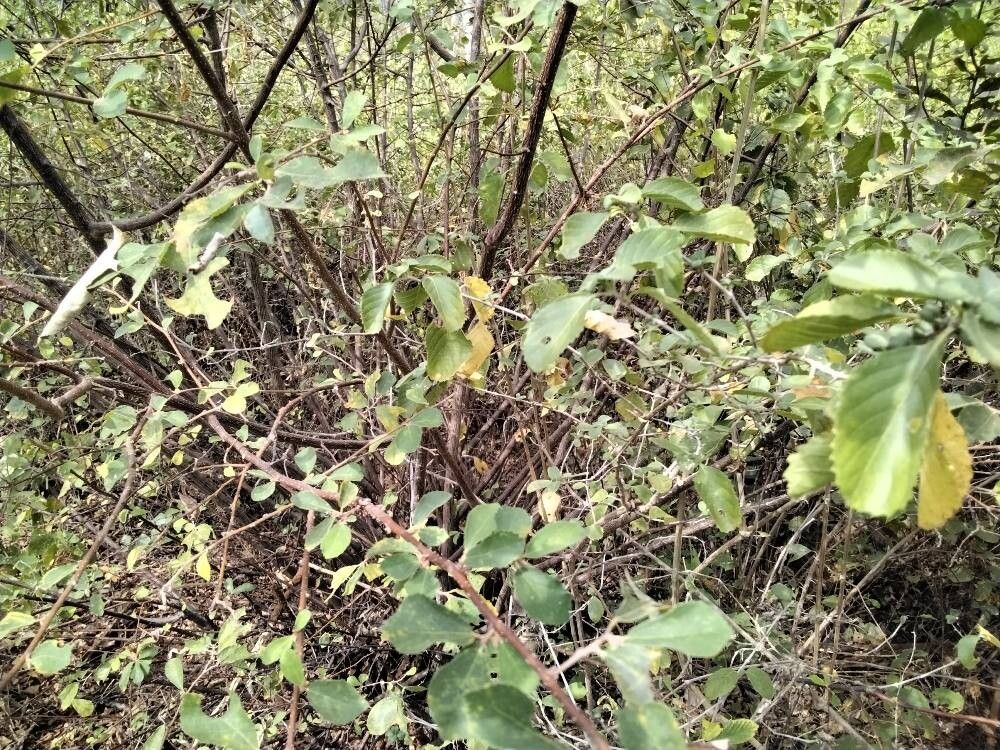
A tree. It grows 27 m tall. The leaves are alternate and simple. They are hairy. The flowers are 7 mm across and white to yellow. They are in groups. The fruit are 12 mm long and yellow orange.
Edible Uses
The fruit is sour but edible.
Traditional Uses
The fruit is sour but edible.
This uses section is brief — help expand it
Distribution
It is a tropical plant. It grows in open areas in forests up to 900 m above sea level. It is often along rivers but can be on hillsides.
Where It Grows
Asia, Brunei, Indonesia, Malaysia, SE Asia,
Other Uses
The heartwood is pale brown, becoming grey-brown upon exposure; it is not well defined from the paler coloured sapwood. The texture is moderately coarse and even; the grain is straight or interlocked; there is a vague ‘silver-grain’ figure on quarter-sawn material. The wood is moderately hard to hard. It is suitable for light to medium purposes under cover; these uses include veneer and plywood, tool handles, general utility furniture, flooring, cladding, wooden pallets, mouldings and possibly sport equipments.
Notes
They have also been put in the families Tiliaceae and Sparrmanniaceae.
Synonyms
Also Known As
Bedemak, Chenderai, Damak-damak, Korodong, Kredong
References (3)
- Chung, R. C. K., & Soepadmo, E, 2011, Taxonomic revision of the genus Microcos (Malvaceae-Grewioideae) in Peninsular Malaysia and Singapore. Blumea 56, 2011: 273–299
- Reis, S. V. and Lipp, F. L., 1982, New Plant Sources for Drugs and Foods from the New York Botanical Garden herbarium. Harvard. p 177
- Slik, F., www.asianplant.net