Glochidion littorale
Blume
iNaturalist· cc-by-nc
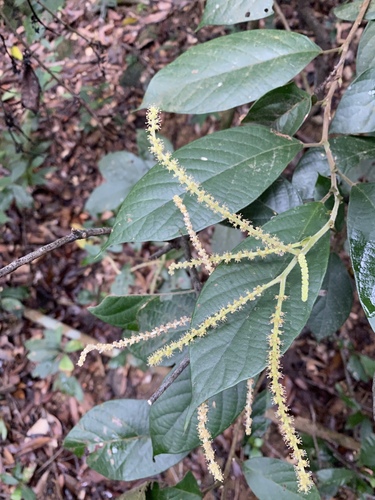
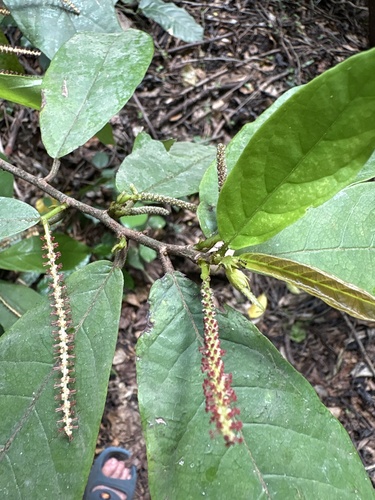
(c) Catalina Tong, some rights reserved (CC BY-NC), uploaded by Catalina Tong
iNaturalist· cc-by-nc
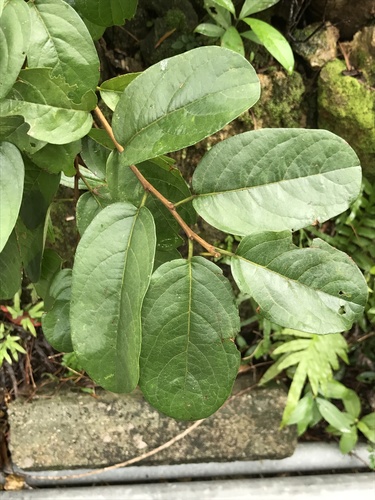
(c) Geoffrey Sinclair, some rights reserved (CC BY-NC)
iNaturalist· cc-by-nc
(c) Geoffrey Sinclair, some rights reserved (CC BY-NC)
Description
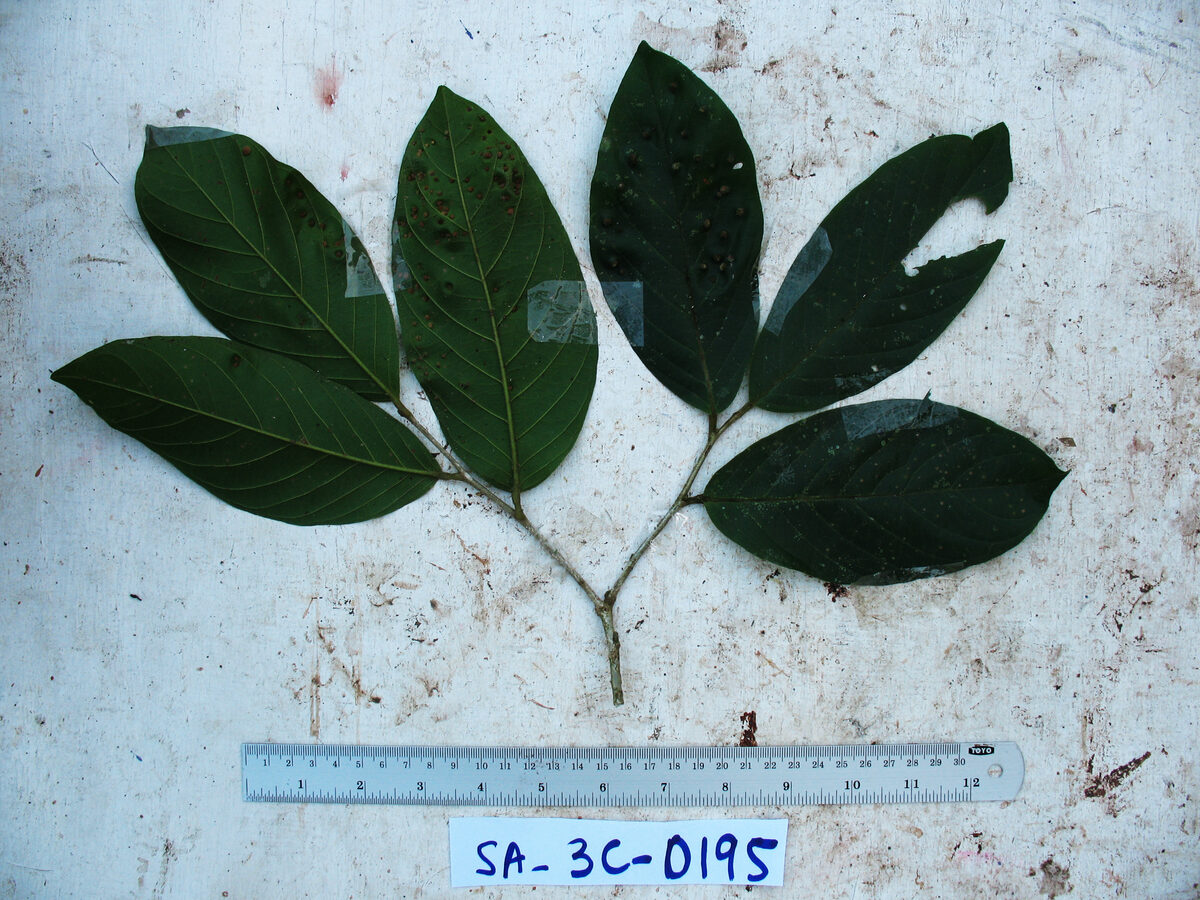
A shrub. It can grow to 10 m tall. The leaves are alternate and simple. The flowers are 4 mm across. They are green to yellow and in bundles in the axils of leaves. The fruit is 12 mm long. It is pink to red and a capsule. The seeds have an orange to red fleshy layer or aril.
Edible Uses
Fruit. The reddish-pink fruits are around 12mm long. The round, pinkish-whitish to dark pink fruits are 14 - 18mm in diameter and 8 - 13mm wide, with a woody wall up to 1mm thick.
Medicinal Uses
The root is used as a mouthwash for babies.
Distribution
It is a tropical plant. It grows in coastal and tidal regions. It grows in swamps up to 100 m above sea level.
Where It Grows
Asia, Brunei, India, Indochina, Indonesia, Malaysia, Philippines, SE Asia, Sri Lanka, Thailand,
Cultivation
The plant is often found growing in poor, sandy soils in the wild. This species is noteworthy for its pollination mechanism, which involves a symbiotic relationship with moths of the genus Epicephala. This closely parallels that found in Yucca species.
Also Known As
Kabassi-kabassi, Obar-obar, Sakah-sakah, Sakah-sakah bini
References (1)
- Slik, F., www.asianplant.net