Cinnamomum parthenoxylon
(Jack) Meisn.
Selasian wood
iNaturalist· cc-by-nc
(c) Alan Kwok (King Lun), Ada Tai (Ah Heung) / 阿達蘭 AdAlan, some rights reserved (CC BY-NC), uploaded by Alan Kwok (King Lun), Ada Tai (Ah Heung) / 阿達蘭 AdAlan
iNaturalist· cc-by-nc
(c) Alan Kwok (King Lun), Ada Tai (Ah Heung) / 阿達蘭 AdAlan, some rights reserved (CC BY-NC), uploaded by Alan Kwok (King Lun), Ada Tai (Ah Heung) / 阿達蘭 AdAlan
iNaturalist· cc-by-nc
(c) Alan Kwok (King Lun), Ada Tai (Ah Heung) / 阿達蘭 AdAlan, some rights reserved (CC BY-NC), uploaded by Alan Kwok (King Lun), Ada Tai (Ah Heung) / 阿達蘭 AdAlan
Description
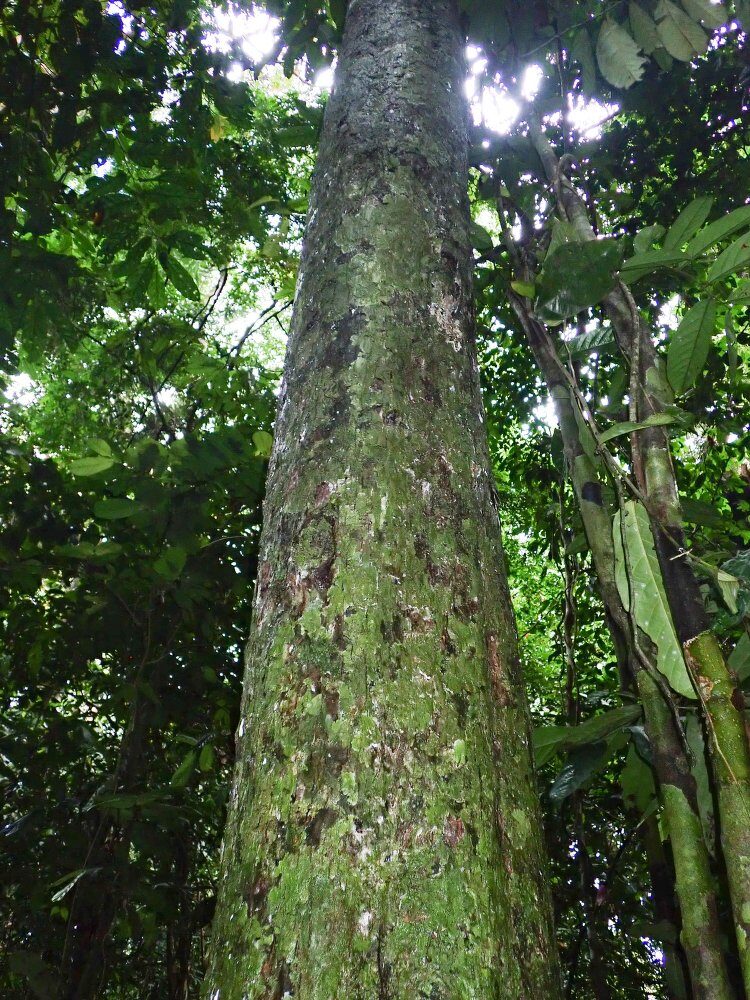
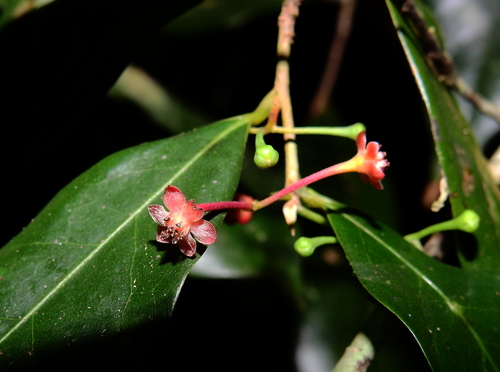
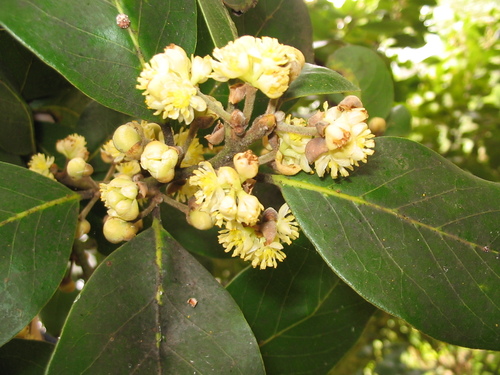
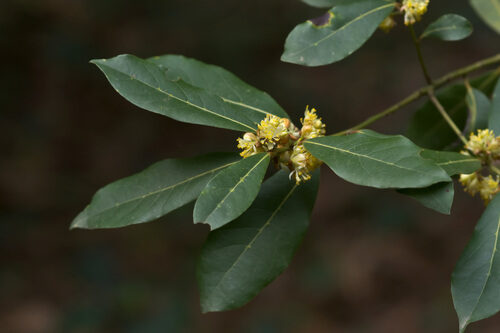
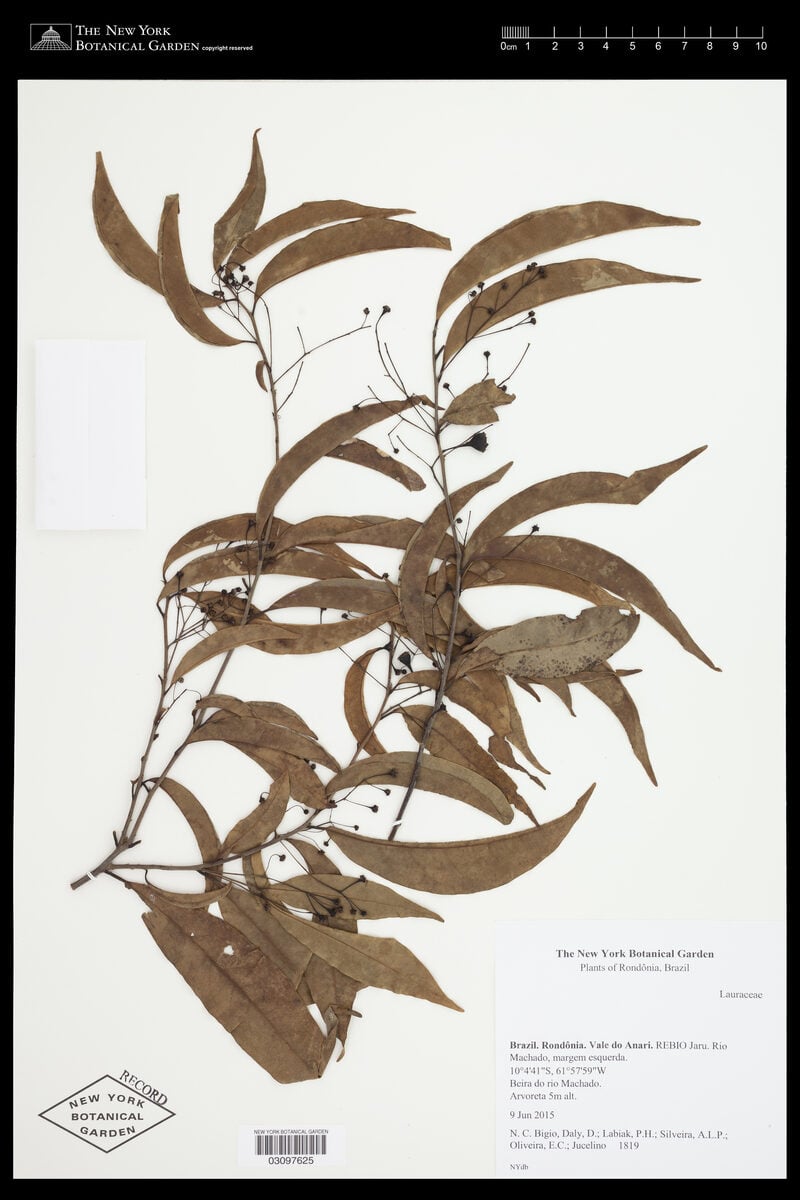
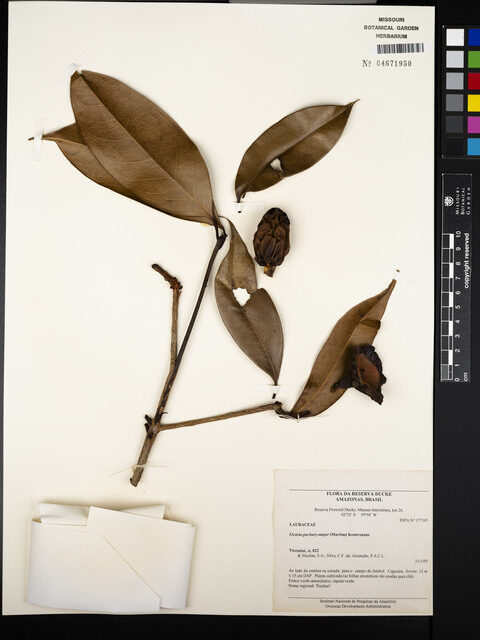
A tree. It grows 35 m tall. The bark is grey to brown. The leaves are alternate and simple. They are shiny and oval and 7-10 cm long. The flowers are 4 mm across. They are in clusters. The fruit are 1 cm wide. They are grey-green and fleshy.
Edible Uses
The aromatic bark of Camphora parthenoxylon is used for flavoring, like that of many other Cinnamomum species. The wood and fruit emit a strong camphor scent that repels insects, and the essential oils from its wood and leaves, known as "camphora oil", are effective in controlling household pests. The bark extract has also shown medicinal potential; in rats, it was found to reduce postprandial hyperglycemia. The durable, insect-resistant wood is valued for shipbuilding, furniture, and artwork, while the seeds can be processed into soap. Additionally, its straight trunk and large canopy make it an excellent shade tree for streets and parks. In Indonesia, the flowers hold cultural significance, symbolizing love and the connection between the living and the dead. In Kudus Regency, Java, they were traditionally scattered on tombs by family members. However, the tree is under significant pressure from harvesting for safrole, a compound used to produce the pesticide synergist piperonyl butoxide, the flavor and fragrance compound piperonal, and the psychoactive drug MDMA. Much of this illicit collection occurs in Cambodia's Cardamom Mountains and Botum Sakor National Park, a situation explored in the 2009 TV documentary Forest of Ecstasy, an episode of Vanguard.
Traditional Uses
The bark and leaves and fruit are used as a spice.
This uses section is brief — help expand it
Medicinal Uses
The wood contains the essential oil safrol, which is used medicinally. The wood of this species is one of the three ingredietns of a popular Thai rejuvenative and blood tonic known as 'TriSuraPhon'. The other two ingredients are the wood of Aquilaria crassna and the bark of Cinnamomum bejolghota. The tonic is said to have a wide range of beneficial effects upon the general health, the individual components having been credited with diverse beneficial properties including antioxidant, anti-ischemic, antimicrobial, anticancer, hypoglycaemic, and hypolipidemic. Trials have shown that this tonic can help to normalize lipid levels in overweight individuals, also reducing highly atherogenic LDLC levels and increasing beneficial HDL-C levels. The roots are used in the treatment of fevers and during childbirth. They are used as a tonic after childbirth. The bark is used as a tonic for relieving menstruation problems.
Distribution
It is a tropical plant. It grows up to 1,700 m above sea level. In Sichuan and Yunnan.
Where It Grows
Asia, Bangladesh, Bhutan, Cambodia, China, Himalayas, India, Indochina, Indonesia, Laos, Malaysia, Myanmar, Nepal, Philippines, SE Asia, Thailand, Vietnam,
Cultivation
Cinnamomum parthenoxylon is a plant of tropical areas, where it can be found at elevations up to 2,000 metres, occasionally ascending to 3,000 metres. It grows in regions with all-year rainfall and sometimes also in regions with a distinct dry season. Succeeds on both fertile and poor soils. Plants can be coppiced.
Propagation
Seed - the seed of species in this genus generally has a short viability and is best sown as soon in containers as it is ripe. Remove the fruit pulp since this can inhibit germination. Soaking the seeds for 24 hours in lukewarm water hastens germination, which can take 1 - 6 months at 20°c. The germination rate of fresh seed is about 50%, falling to 25% for seed 6 months old, and zero for those 1 year old. Stored seed should be sown as soon as possible in containers. When they are large enough to handle, prick the seedlings out into individual pots and plant them out into their permanent positions when 10cm or more tall. Cuttings of semi-ripe side shoots, 7cm with a heel, in a frame with bottom heat.
Other Uses
The roots, bark, wood, and leafy branchlets contain essential oil and camphor. The bark (probably referring to the essential oil) is used as a scent for soaps. The wood contains safrol, which is used in perfumery and in medicine. The fruit kernel contains oil and fat (up to 60%), which are used in soap manufacture. The heartwood is orange-red with black streaks; the sapwood is whitish or brownish. It is resistant to insect attack because of its pronounced and persistent smell. It possesses all the necessary characteristics of a first-rate wood which will stand well under any conditions without warping or twisting. It is used for house-building and for shingles, and is suitable for cabinet-making It possesses a slight, pleasant aromatic scent. The wood is finely grained and used for furniture making and cabinet work, construction, flooring, utensils and wood carving. There are a number of tree species (including this one) from Peninsular Malaysia that are in the family Lauraceae and produce a useful timber that is either not distinct enough in itself, or is in insufficient supply, to warrant being traded individually. These various species have been lumped together under the trade name ‘medang’. We do not have any more specific information about the wood from this species, but a general description of medang timber is as follows:- The heartwood is very variable, from light-straw to red-brown and olive brown; the sapwood is ill-defined. The texture is moderately fine but even; the grain interlocked or wavy; the surface dull. The wood is not durable. It is easy to slightly difficult to resaw, and easy to moderately easy to cross-cut; easy to plane and the surface produced is smooth to moderately smooth. It is suitable for decorative work such as interior finishing, panelling, furniture and cabinet making. It is also suitable for plywood manufacture, whilst the heavier species are suitable for medium construction under cover.
Synonyms
Also Known As
Ge long jiang, Karawe, Mai dang hu, Martaban camphor wood, Saffrol laurel, Shi xiao si, Sinkosi, Thit-lai-nyin
References (4)
- Cao, Y., et al, 2020, Ethnobotanical study on wild edible plants used by three trans-boundary ethnic groups in Jiangcheng County, Pu’er, Southwest China. Journal of Ethnobiology and Ethnomedicine (2020) 16:66
- Seidemann J., 2005, World Spice Plants. Economic Usage, Botany, Taxonomy. Springer. p 103
- Slik, F., www.asianplant.net
- World Checklist of Useful Plant Species 2020. Royal Botanic Gardens, Kew