Aconitum heterophyllum
Wall. ex Royle
Atis root
iNaturalist· cc-by-nc
(c) Rajendra Koranga, some rights reserved (CC BY-NC), uploaded by Rajendra Koranga
iNaturalist· cc-by-nc
(c) Basu Dev Poudel, some rights reserved (CC BY-NC), uploaded by Basu Dev Poudel
Summary
Source: WikipediaAconitum heterophyllum, also called atish/atis/patis/ativish/atvika, is a species of flowering plant in the genus Aconitum. It is used in Indian systems of traditional medicine including Ayurveda and called विषा or अतिविषा (IAST: viṣā, ativiṣā) in Sanskrit. Available in the slopes in sub alpine and alpine areas between 2500- 3500m. Jammu & Kashmir, Himachal Pradesh and Uttarakhand. Pakistan and Nepal. Medicinal Use : Roots are used to cure dysentery, diarrhea, fever, malarial fever, cough, cold colic, headache, piles, hysteria, throat infection, cure for dyspepsia, especially when appetite is lost after illness and also in vomiting, abdominal pain and diabetes. It also checks excessive menstrual flow. Fresh leaves used to cure toothache.
Description
A shrub or small tree. It grows 5 m tall. There are prickles along the stem. The leaves are twice divided and there are 8-18 pairs of pinnae. There are up to 50 pairs of pinnules on each pinnae. The flowers are yellow. They are in large clusters at the ends of branches. The pods are flattened.
Edible Uses
Leaves and root can be eaten cooked, though this should be treated with considerable distrust given the poisonous nature of this genus.
Traditional Uses
Caution: It contains several toxic alkaloids. The roots are used as a tonic. It has been reported that the leaves and roots are cooked and eaten.
This uses section is brief — help expand it
Medicinal Uses
The dried root is analgesic, anti-inflammatory, antiperiodic, aphrodisiac, astringent, cholagogue, febrifuge, and tonic. In India it is used to treat dyspepsia, diarrhoea, and coughs. In Tibetan medicine it is considered to have a bitter taste and cooling potency, and is used for poisoning from scorpion or snake bites, fevers associated with contagious diseases, and inflammation of the intestines. The root is best harvested in autumn once the plant has died down, then dried for later use. This is a very poisonous plant and should only be used with extreme caution under the supervision of a qualified practitioner.
Known Hazards
The whole plant is highly toxic - simple skin contact has caused numbness in some people. One report says that this plant does not contain the toxic alkaloid aconitine, and so is not poisonous. It does, however, still contain an intensely bitter alkaloid.
Distribution
It grows naturally on humus-rich soils in the alpine and subalpine zones of the Himalayas and in forests, from 2300 - 2900 metres altitude. It will grow in most soils and does best with light shade.
Where It Grows
Asia, Himalayas, India, Iran, Middle East, Myanmar, Nepal, SE Asia,
Cultivation
Thrives in most soils and in the light shade of trees. Grows well in heavy clay soils. Prefers a moist soil in sun or semi-shade. Prefers a calcareous soil. Grows well in open woodlands. The roots of this plant are extensively collected from the wild for medicinal use and the species is becoming much rarer in many areas of its range. Members of this genus seem to be immune to the predations of rabbits and deer. A greedy plant, inhibiting the growth of nearby species, especially legumes.
Propagation
Sow seed as soon as it is ripe in a cold frame for best results. Seed can be stratified and sown in spring, but germination will be slow. Prick seedlings into individual pots once large enough to handle, and grow on in a cold frame through their first winter before planting out in late spring or early summer. Division is best done in spring, though autumn works too. Some sources recommend autumn or late winter division, as the plants come into growth very early in the year.
Other Uses
None known.
Notes
There are about 100-300 Aconitum species. The roots are used in medicine in Nepal. Most Ranunculaceae grow in cool moist locations.
Synonyms
Also Known As
Atis, Ativisha, Attis, Bikhma, Bish, Diwok, Patish
References (8)
- Ambasta S.P. (Ed.), 2000, The Useful Plants of India. CSIR India. p 11
- Aryal, K. P., et al, 2018, Diversity and use of wild and non-cultivated edible plants in the Western Himalaya. Journal of Ethnobiology and Ethnomedicine (2018) 14:10
- Bircher, A. G. & Bircher, W. H., 2000, Encyclopedia of Fruit Trees and Edible Flowering Plants in Egypt and the Subtropics. AUC Press. p 7
- Ill. bot. Himal. Mts. 1(2):56. 1834; 2(1): t. 13. 1833
- Khan, M. & Hussain, S., 2014, Diversity of wild edible plants and flowering phenology of district Poonch (J & K) in the northwest Himalaya. Indian Journal of Sci, Res. 9(1): 032-038
Show all 8 references Hide references
- Manandhar, N.P., 2002, Plants and People of Nepal. Timber Press. Portland, Oregon. p 70
- Plants for a Future database, The Field, Penpol, Lostwithiel, Cornwall, PL22 0NG, UK. http://www.scs.leeds.ac.uk/pfaf/
- Wild edible plants of Himachal Pradesh
More from Ranunculaceae
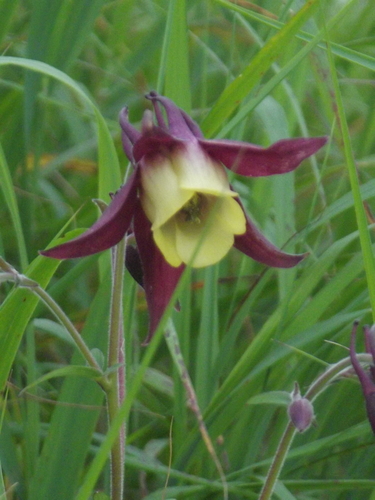
Aquilegia buergeriana
Yama-odamaki
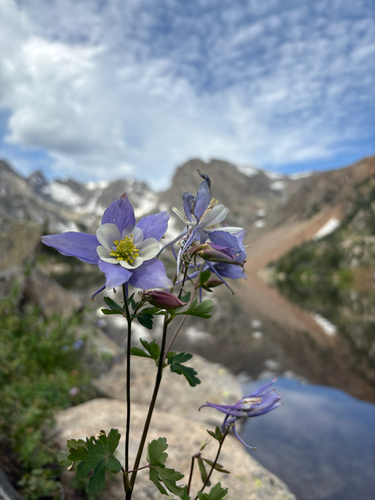
Aquilegia caerulea
Rocky mountain columbine
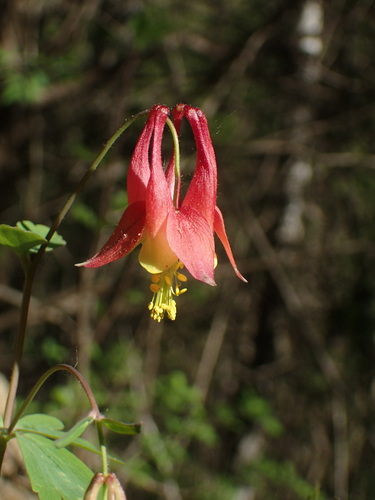
Aquilegia canadensis
Wild columbine, Fairy flower, Canada columbine, Meeting houses, Rock bells
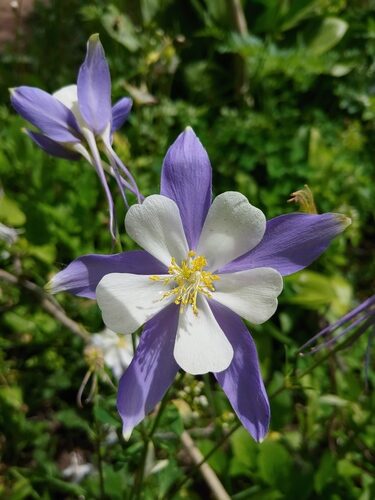
Aquilegia coerulea
Rocky Mountain Columbine
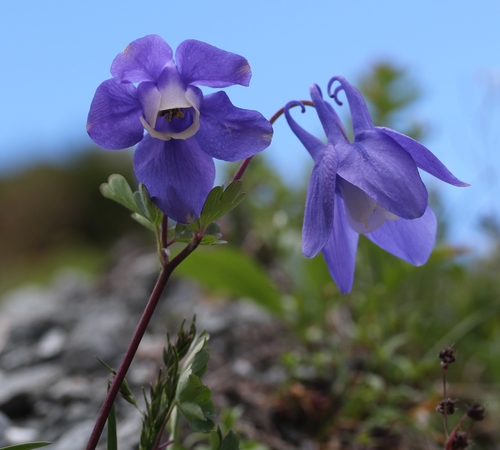
Aquilegia flabellata
Fan columbine, Fan-shaped Funnel Vegetable
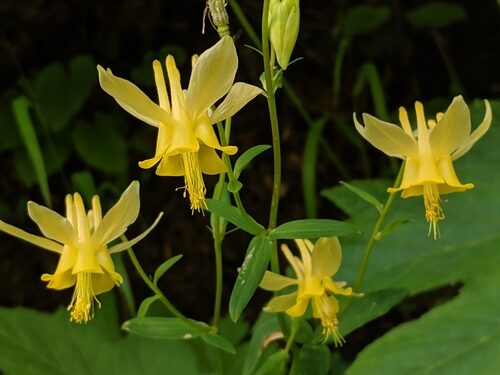
Aquilegia flavescens
Columbine, Yellow columbine