Ziziphus funiculosa
Buch.-Ham. ex wall.
iNaturalist· cc-by-nc
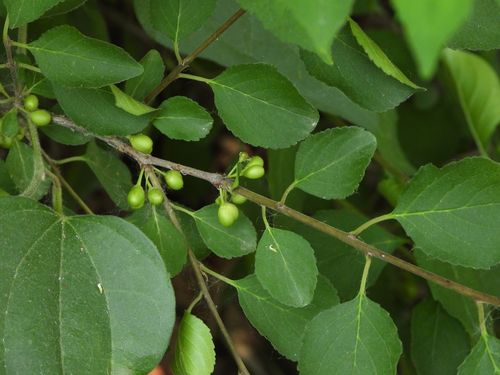
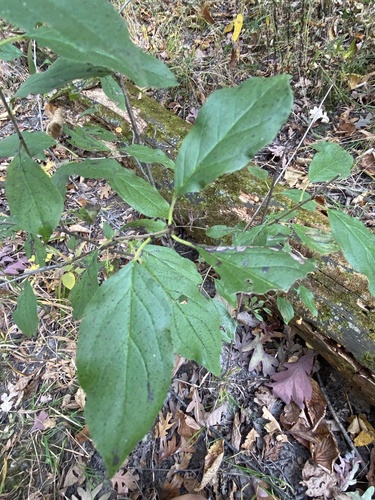
(c) Aparajita Datta, some rights reserved (CC BY-NC), uploaded by Aparajita Datta
Description
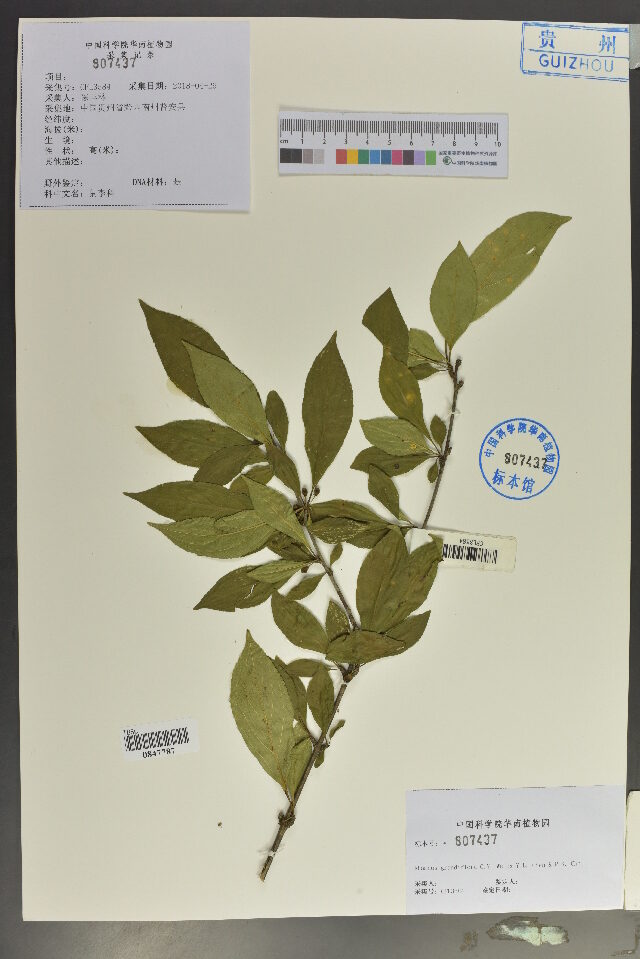
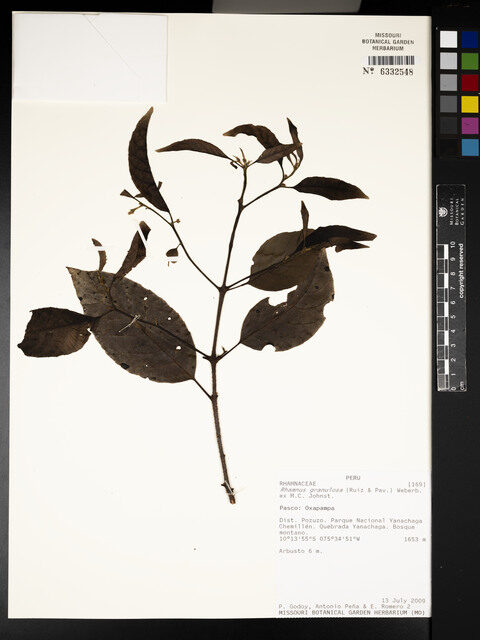
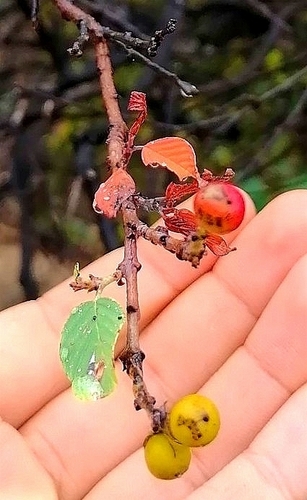
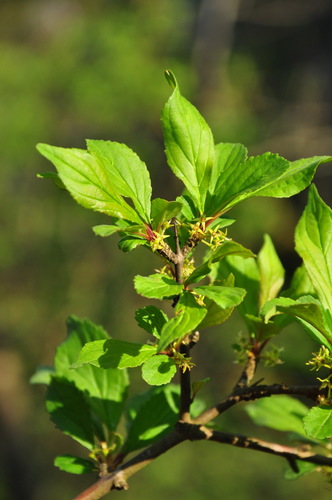
A scrambling shrub. The young shoots have rusty hairs. There are short prickles. The leaves are alternate. They are oval but taper towards the tip. There are small teeth along the edge. The flowers are 5 mm across. They have a scent. The leaves are 7-10 cm long and 3-4 cm wide. The fruit are fleshy and 1.3-1.8 cm long. The ripe fruit are yellow. There is one seed.
Edible Uses
The ripe fruit are eaten fresh.
Traditional Uses
The ripe fruit are eaten.
This uses section is brief — help expand it
Distribution
It is a tropical and subtropical plant. It grows in evergreen forest. It grows up to 900 m above sea level in NW India.
Where It Grows
Asia, Bangladesh, Himalayas, India, Indochina, Indonesia, Laos, Myanmar, Northeastern India, SE Asia,
Also Known As
Ban barai, Bon-boguri, Kalo boroi, Ingsu-dompo
References (4)
- Majumdar, K and Datta, N., 2009, Traditional wild edible fruits for the forest dwellers of Tripura, India. Pleione 3(2) 167-178
- Pasha, M. K. & Uddin, S. B., 2019, Minor Edible Fruits of Bangladesh. Bangladesh J. Plant Taxon. 26(2): 299–313
- Sawian, J. T., et al, 2007, Wild edible plants of Meghalaya, North-east India. Natural Product Radiance Vol. 6(5): p 423
- Wild edible plants of Himachal Pradesh