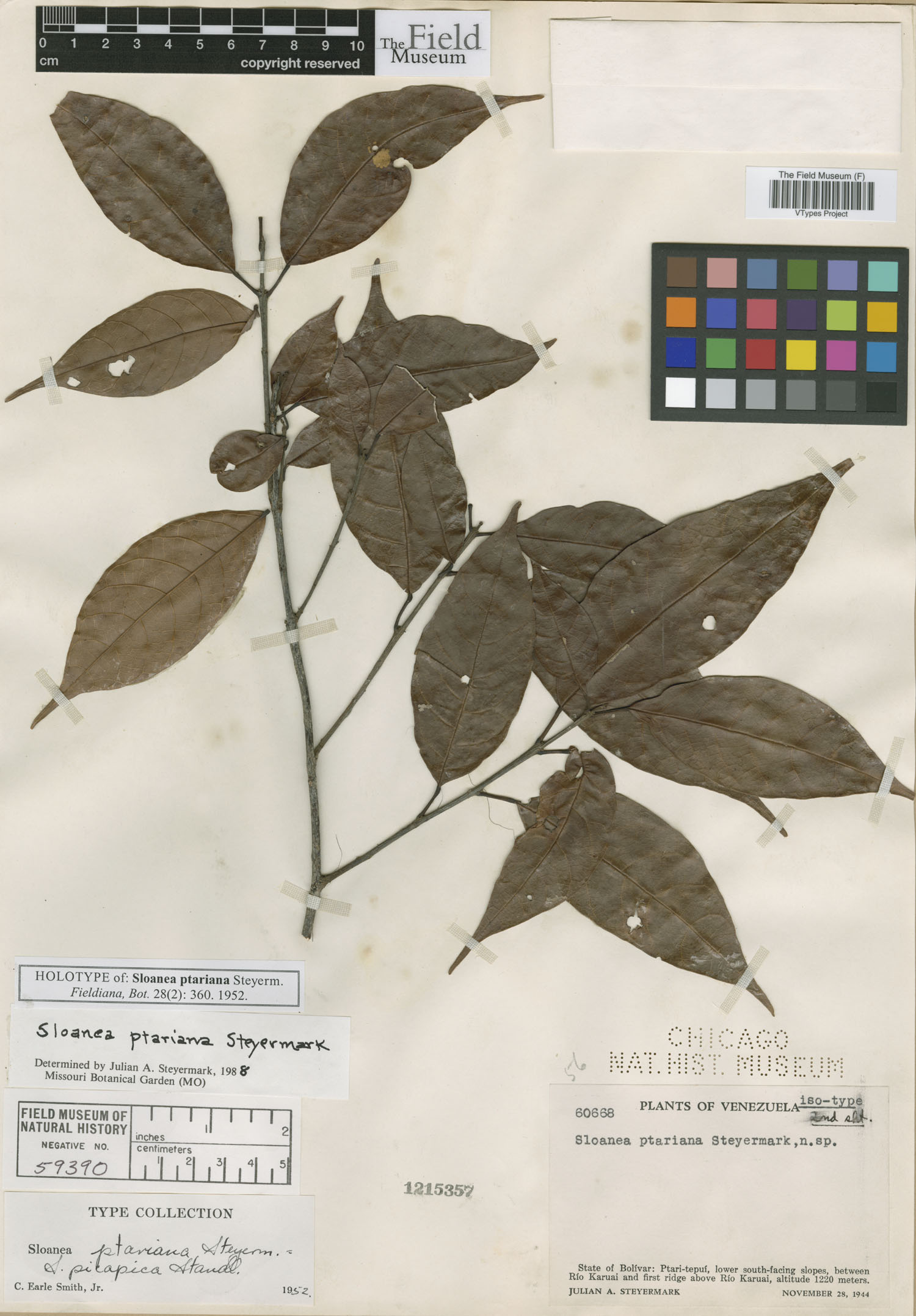
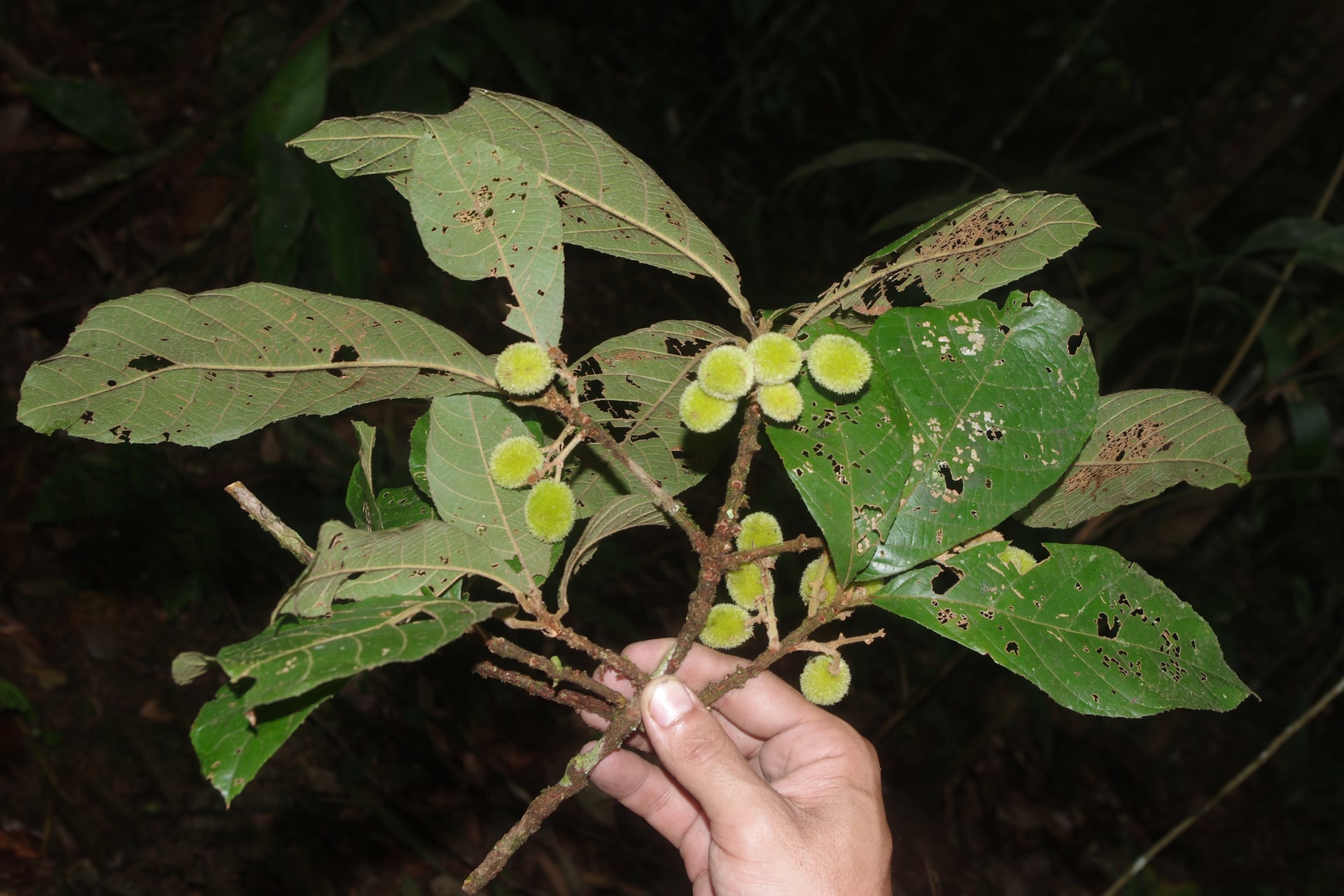
Elaeocarpus tectorius
(Lour.) Poir.
iNaturalist· cc0
no rights reserved
iNaturalist· cc0
no rights reserved
gbif· cc0
President and Fellows of Harvard College
Description
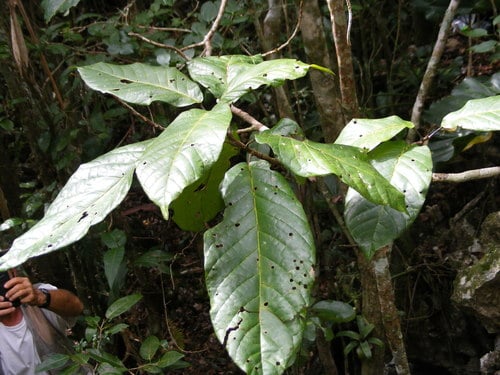
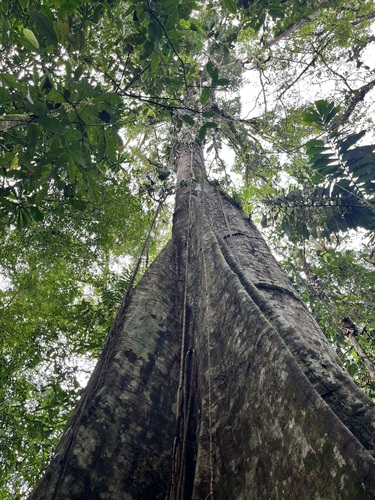
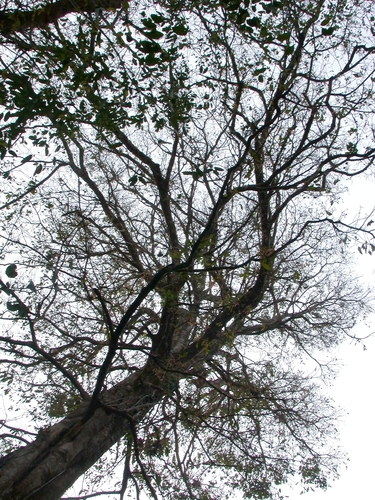
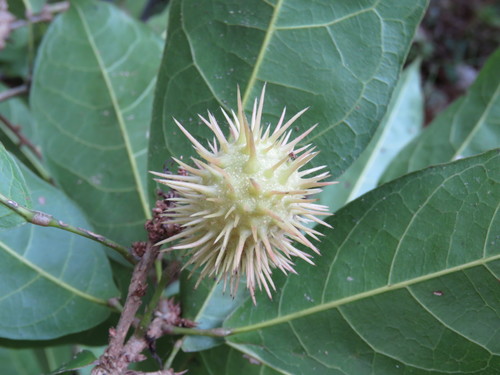
A tree. It grows 20 m tall. The leaves are oval to oblong. They are 10-24 cm long by 4-10 cm wide. The base is rounded or wedge shaped and they taper to the tip. There are small teeth along the edge. The flowers are in groups 6-16 cm long with 10-25 flowers. The petals are white. The fruit is fleshy. It is 2-3 cm long by 1.5 cm wide. The stone can have 1-5 cells.
Edible Uses
The fruits are eaten raw, and the kernels are also edible.
Traditional Uses
The fruit are eaten raw.
This uses section is brief — help expand it
Distribution
It is a tropical plant. In the Himalayas it grows between 200-500 m above sea level.
Where It Grows
Asia, Bangladesh, Bhutan, Himalayas, India, Malaysia, Myanmar, Nepal, Northeastern India, SE Asia, Sri Lanka, Vietnam,
Cultivation
We have no specific information for this species, but members of this genus generally grow well in full sun to moderate shade, requiring a fertile, moist but well-drained soil.
Propagation
The seed of most species in this genus is covered by a hard, woody shell and can be very slow and erratic to germinate, sometimes taking 2 years or more. Filing down the shell, or cracking it (being very careful not to damage the seed) in order to allow the ingress of moisture can help to greatly speed up germination. Sow the seed in containers in light shade. When the seedlings are large enough to handle, prick them out into individual pots and grow them on until large enough to plant out, Cuttings of almost ripe shoots, in a sandy soil in a frame. The leaves should be left on the stem.. Many species strike readily from cuttings.
Other Uses
The heartwood is light-yellowish white to pink-brown, it is not distinctly demarcated from the sapwood. The texture is moderately fine and even, with straight to shallowly interlocked grain. The wood is soft to moderately hard; light in weight to moderately heavy; weak; not very durable. It seasons fairly slowly with slight end and surface checking; shrinkage is fairly low. It is easy to resaw and cross-cut; planing is easy and leaves a moderately smooth finish; nailing properties are good. A general purpose wood, it is suitable for purposes such as general planking, shuttering, boxes, crates, wooden pallets, match splints, veneer and plywood.
Production
In the Himalayas it fruits in April to June.
Synonyms
Also Known As
Bikki, Chanchan, Duoc nui, Jolpai, Kotla, Matcat, Tekopai olive, Um-khal
References (8)
- Arinathan, V., et al, 2007, Wild edibles used by Palliyars of the western Ghats, Tamil Nadu. Indian Journal of Traditional Knowledge. 6(1) pp 163-168
- Kar, A., et al, 2013, Wild Edible Plant Resources used by the Mizos of Mizoram, India. Kathmandu University Journal of Science, Engineering and Technology. Vol. 9, No. 1, July, 2013, 106-126
- Nayaham, M. C., et al, 1993, Less Known Edible Fruit - Yielding plants of Nilgiris. Ancient Science of Lif. Vol. X11 Nos. 3 & 4, pp 363-376
- Pasha, M. K. & Uddin, S. B., 2019, Minor Edible Fruits of Bangladesh. Bangladesh J. Plant Taxon. 26(2): 299–313
- Rahman, Md. H., 2013, A Study on Exploration of Ethnobotanical Knowledge of Rural Community in Bangladesh: Basis for Biodiversity Conservation. ISRN Biodiversity Volume 2013 Article ID 369138, 10 pages (As Elaeocarpus robustus)
Show all 8 references Hide references
- Rahman, S. A., et al, 2013, Cultivated Plants in the Diversified Homegardens of Local Communities in Ganges Valley, Bangladesh. Science Journal of Agricultural Research and Management. Vol. 2013 (As Elaeocarpus robustus)
- Sasi, R. & Rajendran, A., 2012, Diversity of Wild Fruits in Nilgiri Hills of the Southern Western Ghats - Ethnobotanical Aspects. IJABPT, 3(1) p 82-87
- Sasi, R. et al, 2011, Wild edible plant Diversity of Kotagiri Hills - a Part of Nilgiri Biosphere Reserve, Southern India. Journal of Research in Biology. Vol. 1 No. 2, pp 80-87