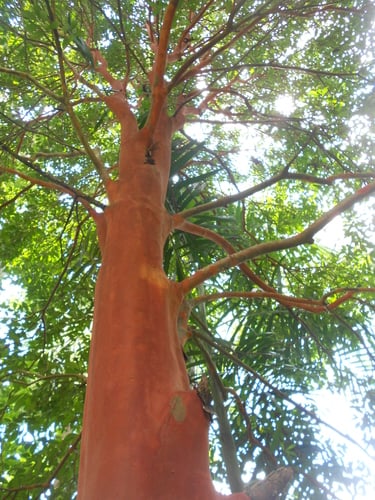
Myrcia guianensis
(Aubl.) DC.
Quackoo
iNaturalist· cc-by-nc
(c) leojales, some rights reserved (CC BY-NC), uploaded by leojales
iNaturalist· cc-by-nc
(c) alexandre callou sampaio, some rights reserved (CC BY-NC)
Summary
Source: WikipediaMyrcia guianensis (pedra-ume-caá) is a species of plant in the genus Myrcia of the family Myrtaceae native to South America. This species shows allelopathic effects on germination and radicle and hypocotyl growth of weeds. Isolated compounds related to this inhibition are gallic and protocatechuic acids. This species is found in association with endophytic fungi.
Description
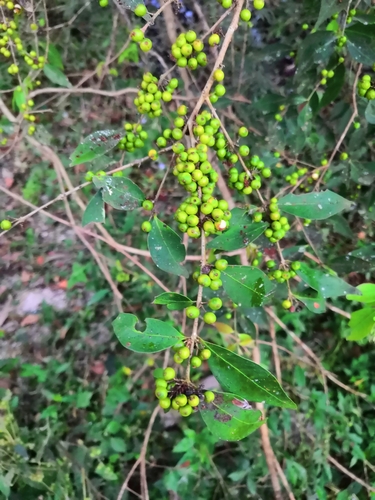
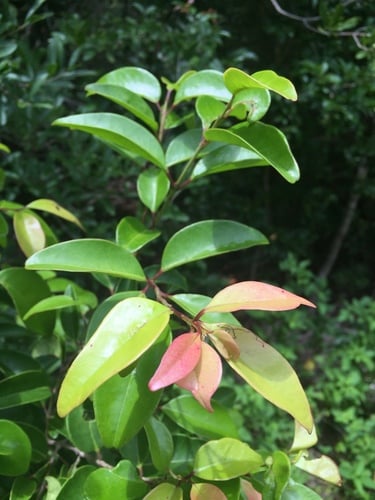
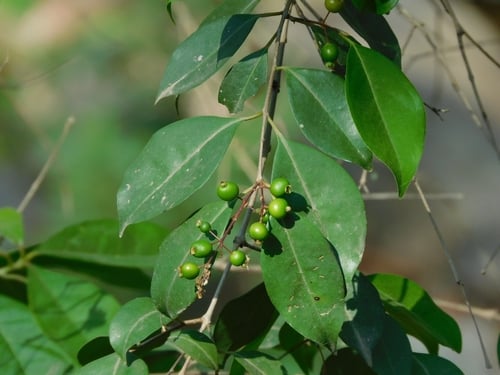
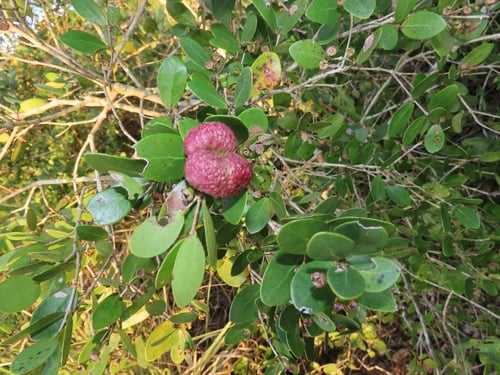
A tree. It is 15 m tall. The outer bark is flaky and the inner bark is red. The flowers are in groups in the axils of leaves and at the end of branches. The fruit are flattened berries and change from greenish to reddish-black when ripe.
Edible Uses
The sweet, ripe fruit are edible.
Traditional Uses
The fruit are sweet and edible.
This uses section is brief — help expand it
Distribution
It is a tropical plant. It grows in secondary forest.
Where It Grows
Amazon, America, Bolivia, Brazil, Colombia, Ecuador, Guiana, Guianas, Guyana, Peru, South America, Suriname, Venezuela,
Synonyms
Also Known As
Kakurio, Kuaku, Saka, Yaas silvestre
References (5)
- Kermath, B. M., et al, 2014, Food Plants in the Americas: A survey of the domesticated, cultivated and wild plants used for Human food in North, Central and South America and the Caribbean. On line draft. p 558
- Peres, M. K., 2011, Diasporos do Cerrado Atrativos para Fauna: Chave Interativa Caracterizacao Visual e Relacoes Ecologicas. Masters thesis. Universidade de Brasilia. (As Myrcia torta)
- Roa, J. A. G. & Boada, D. S. G., 2018, Fundación para el Fortalecimiento de la Fruticultura y Plantas Alimenticias no Convencionales en Colombia.
- Torre, de la, L., et al, 2008, Enciclopedia de las Plantas Útiles del Ecuador. Herbario QCA. Pontificia Universidad Católica del Ecuador. p 468
- van Andel, T., 2000, Useful plants of Guyana. Non-timber forest products of the North-West District of Guyana. Part 2. A Field Guide. Tropenbos-Guyana Programme. p 295