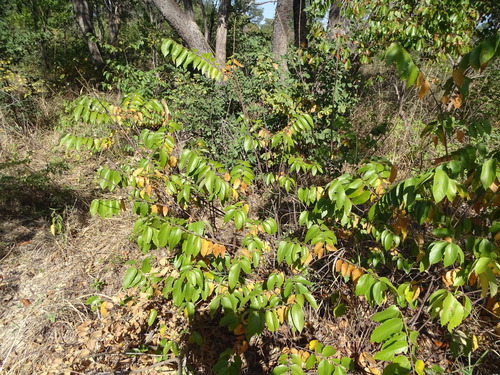
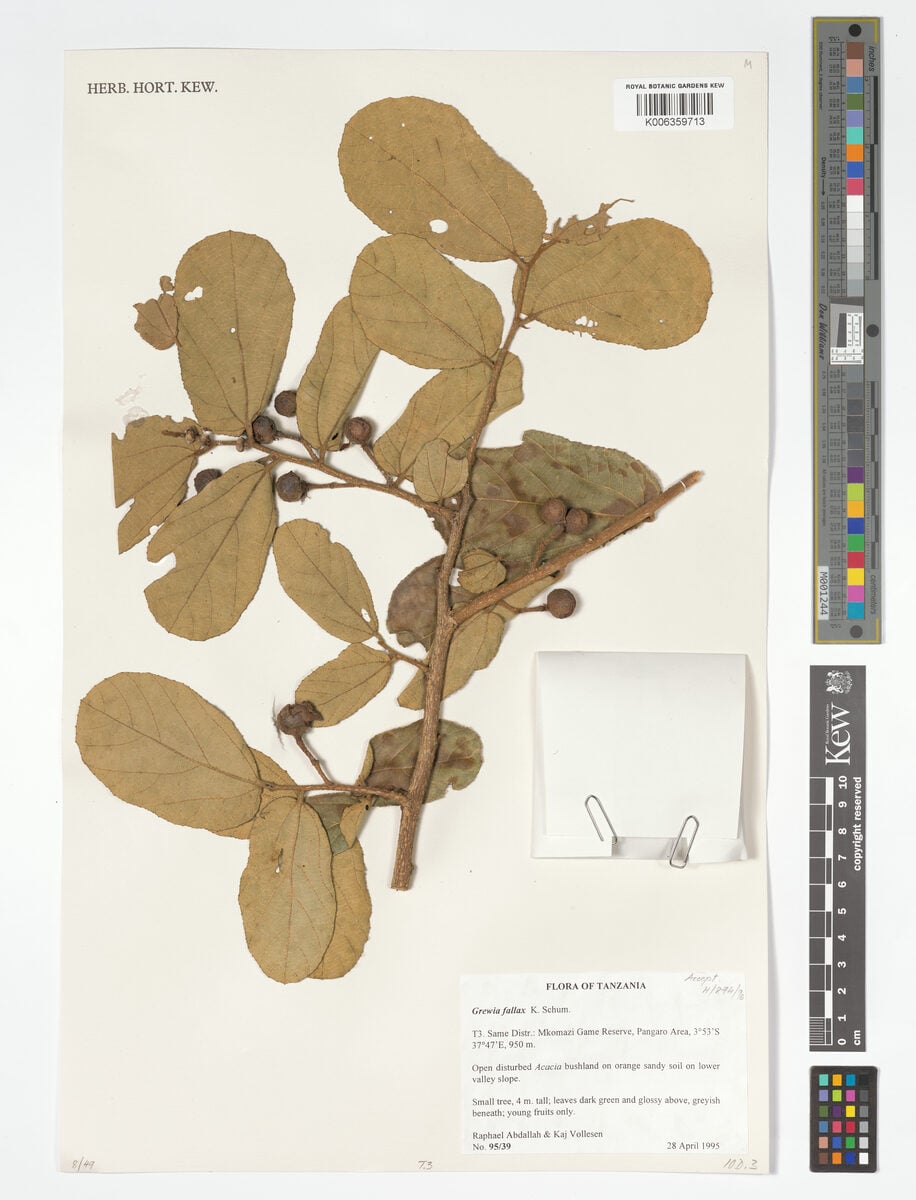
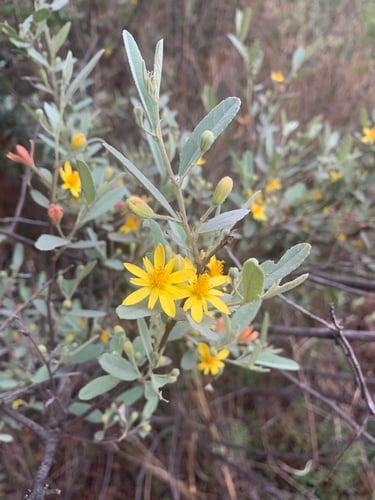
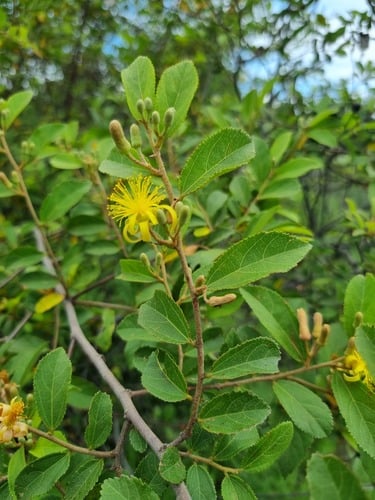
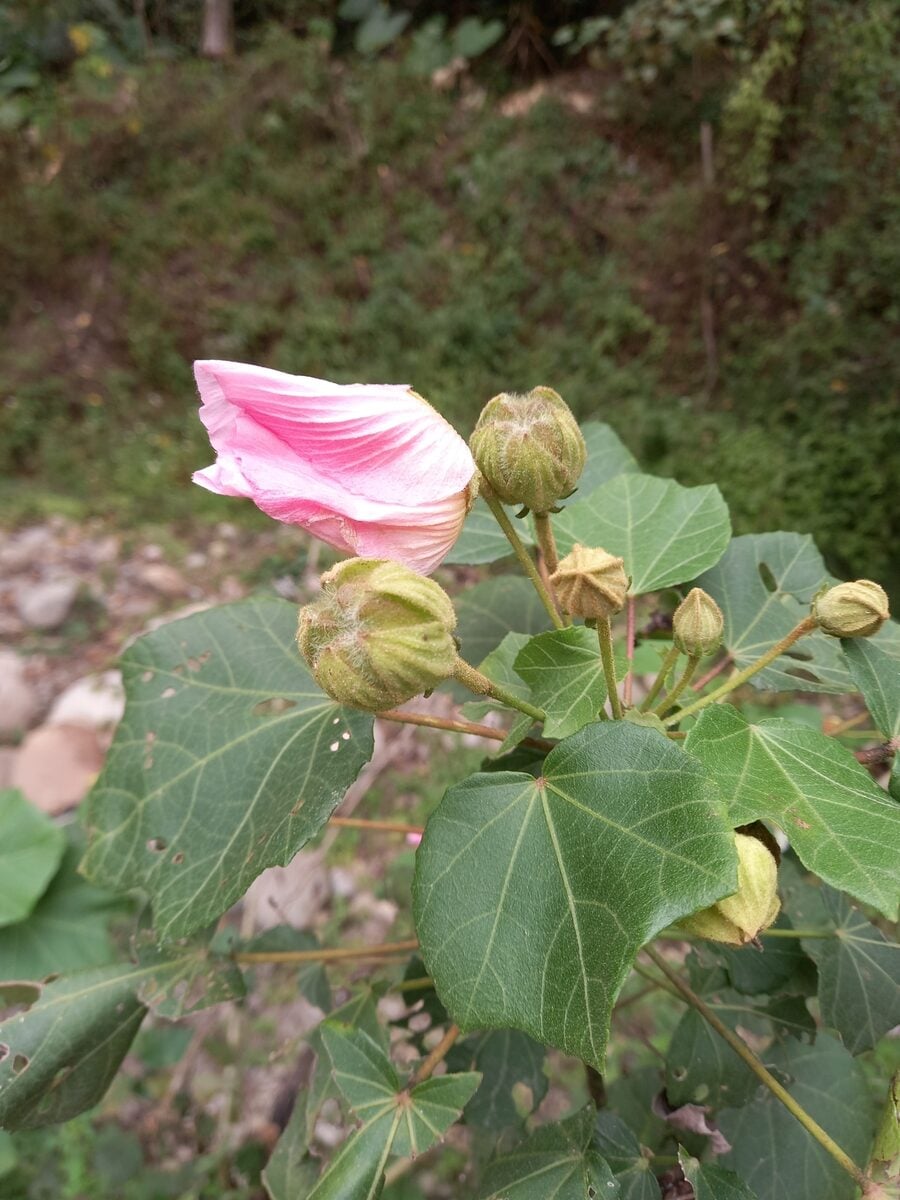
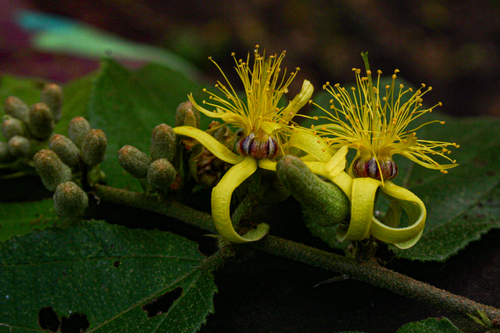
Eriotheca gracilipes
(K. Schum.) A. Robyns
iNaturalist· cc-by-nc
(c) Mattheus Mota, some rights reserved (CC BY-NC), uploaded by Mattheus Mota
Description
A tropical tree in the Malvaceae family (formerly classified in Bombacaceae, subfamily Bombacoideae).
This description is brief — help expand it
Edible Uses
The seeds are edible.
Distribution
It is a tropical plant.
Where It Grows
Bolivia, Brazil, Paraguay, South America,
Cultivation
Prefers a sunny position. Prefers a well-drained soil. Succeeds in poor soils. Plants are fairly slow-growing.
Propagation
Seed - best sown as soon as it is ripe. Sow in a sunny position in a nursery seedbed or in individual containers. Germination rates are usually low, with the seed sprouting within 2 - 3 weeks. Transplant nursery bed seedlings to individual containers when about 2 - 4cm tall.
Other Uses
A fibre is obtained from the tree. It is probably obtained from the bark. Heartwood and sapwood are not differentiated. The wood is light in weight, of very low natural durability outdoors. It is only suitable for items such as toys, boxes and for pulping.
Notes
It was previously in the family Bombacaceae. In the subfamily Bombacoideae.
Synonyms
References (2)
- Kermath, B. M., et al, 2014, Food Plants in the Americas: A survey of the domesticated, cultivated and wild plants used for Human food in North, Central and South America and the Caribbean. On line draft. p 340
- Martin, F. W., et al, 1987, Perennial Edible Fruits of the Tropics. USDA Handbook 642 p 83 (As Bombax gracilipes)