Xanthorrhoea minor
R. Br.
Small grass tree.
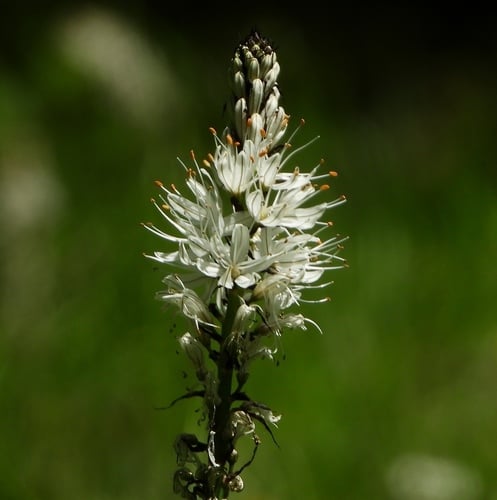
iNaturalist· cc-by-nc
(c) Wayne Martin, some rights reserved (CC BY-NC)
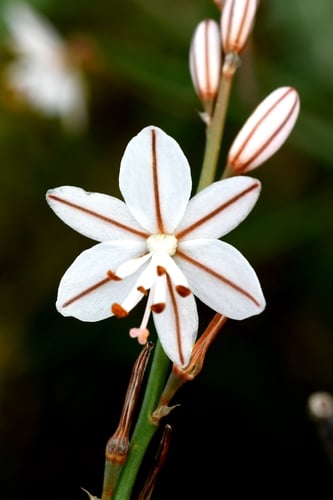
iNaturalist· cc-by-nc
(c) Kim Tarpey, some rights reserved (CC BY-NC), uploaded by Kim Tarpey
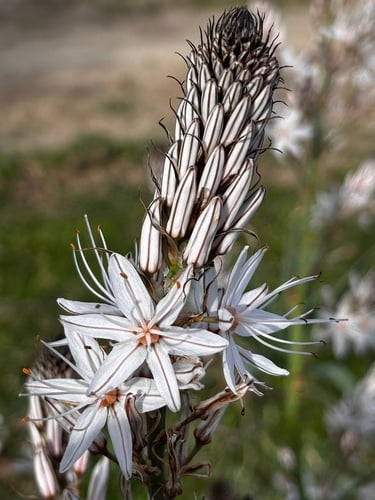
iNaturalist· cc-by-nc-sa
(c) Reiner Richter, some rights reserved (CC BY-NC-SA), uploaded by Reiner Richter
Summary
Source: WikipediaXanthorrhoea minor is a species of trunkless grasstree in the family Asphodelaceae native to south-eastern Australia. It was one of the many species authored by the Scottish botanist Robert Brown. Unlike some other species of grasstree, it lacks a trunk, and its leaves grow from one or more underground stems. The leaves are green. It flowers from October to November. Two subspecies are currently recognised: X. minor subsp. lutea from South Australia and Victoria X. minor subsp. minor from New South Wales, which grows in wet poorly drained areas such as swamps around the Sydney Basin, north to Gosford, and west to Springwood and south to Campbelltown.
Description
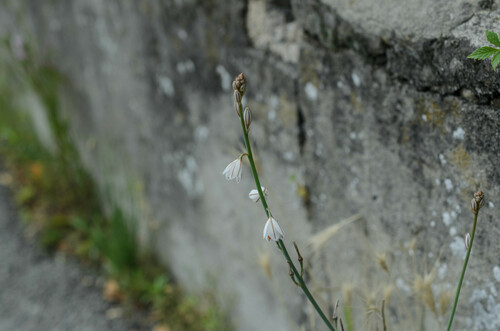
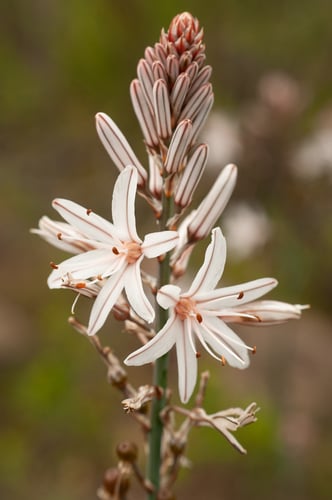
A small grass tree. It has an underground trunk. It can produce several crowns. It forms leafy clumps. The leaves are narrow and 80 cm long and arch over. The flowers are small and white. They are grouped together in a spike that can be 1 m long. The fruit contain hard black seeds.
Edible Uses
Young roots are eaten, and the flowers have sweet nectar that can be used to make a drink.
Traditional Uses
The roots are eaten when young. The flowers have sweet nectar that can be used to make a drink.
This uses section is brief — help expand it
Distribution
It grows in open, well-drained locations.
Where It Grows
Australia*,
Cultivation
It can be grown from seed.
References (2)
- Hastings Advance Community College, 2017, Uses for Native Plants of the Mornington Peninsula. 86pp. p 83 (As subsp. lutea)
- www.ceres.org.au/bushfoodcatalogue