Viola pubescens var. scabriuscula
Torr. & A. Gray
Yellow violet
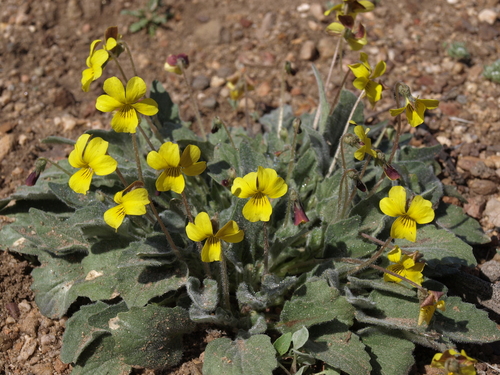
iNaturalist· cc-by-nc
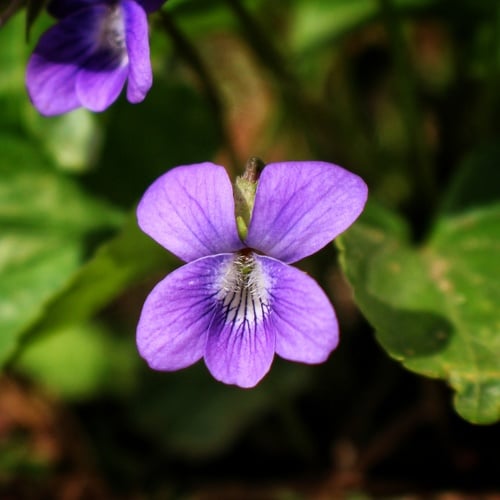
(c) Susan Elliott, some rights reserved (CC BY-NC), uploaded by Susan Elliott
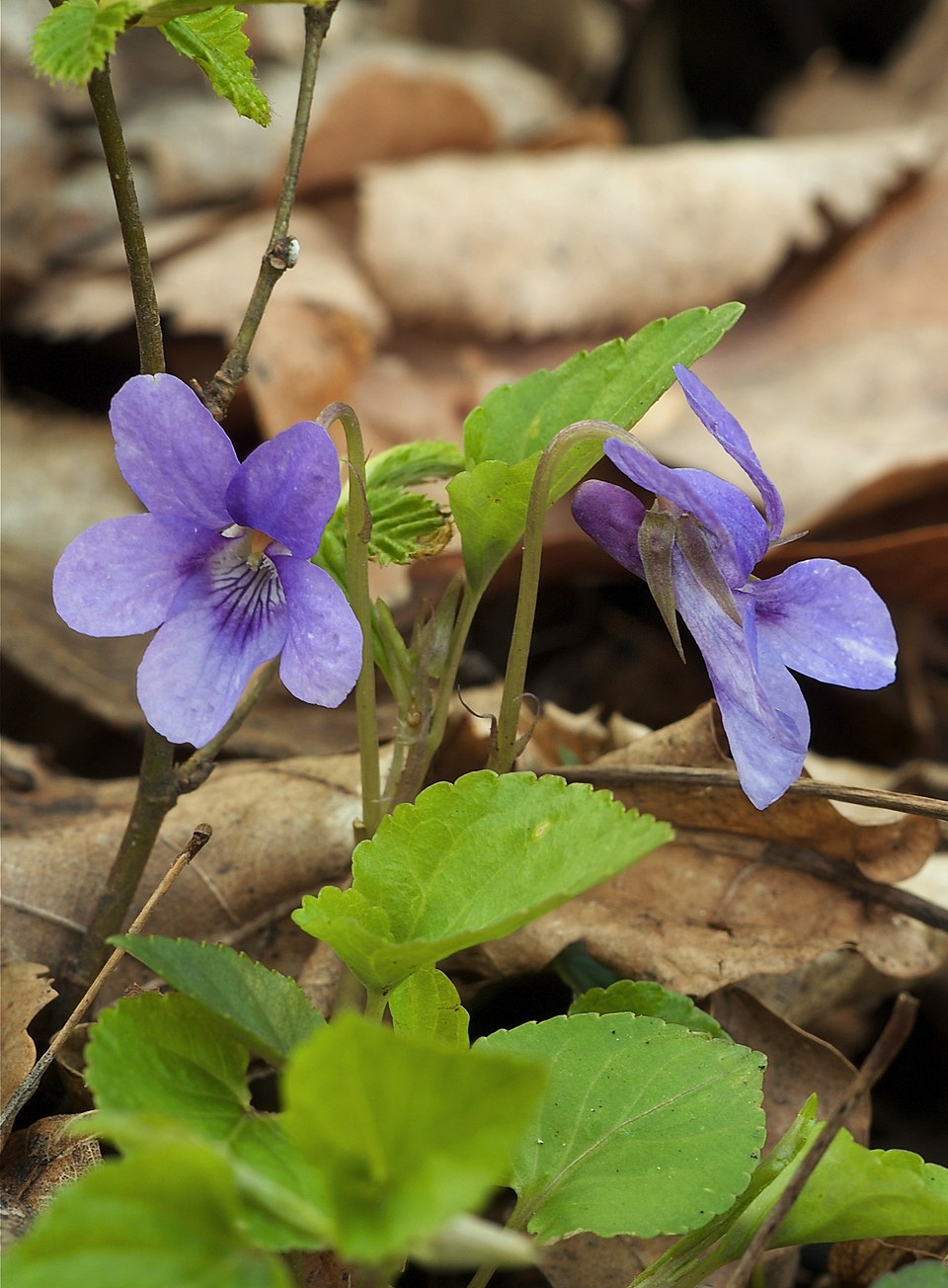
iNaturalist· cc-by-nc
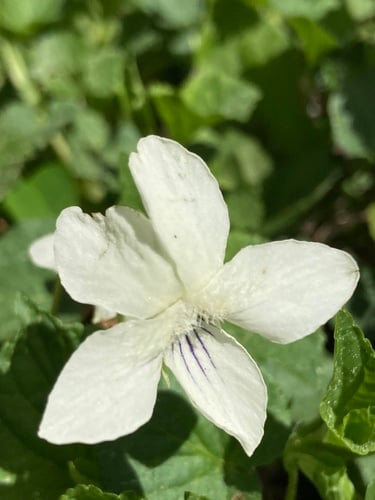
(c) Sequoia Janirella Wrens, some rights reserved (CC BY-NC), uploaded by Sequoia Janirella Wrens
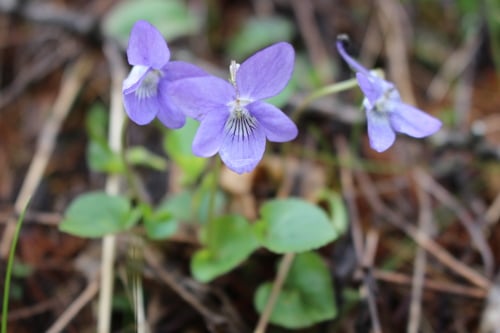
iNaturalist· cc-by
(c) Daniel McClosky, some rights reserved (CC BY), uploaded by Daniel McClosky
Summary
Source: WikipediaViola pubescens, commonly called the downy yellow violet, is a plant species of the genus Viola and is classified within the subsection Nudicaules of section Chamaemelanium. It is a widespread North American violet found in rich, mesic woodlands, and sometimes in meadows, from Minnesota and Ontario east to Nova Scotia and south to Virginia. V. pubescens produces two different types of flowers during the season, including chasmogamous flowers in the early spring and cleistogamous flowers summer through fall. Similar-looking species include the round-leaved yellow violet (Viola rotundifolia). The two species can be differentiated by leaf shape and leaf margin. Additionally, V. pubescens has both basal and cauline leaves, while V. rotundifolia has only basal leaves.
Description
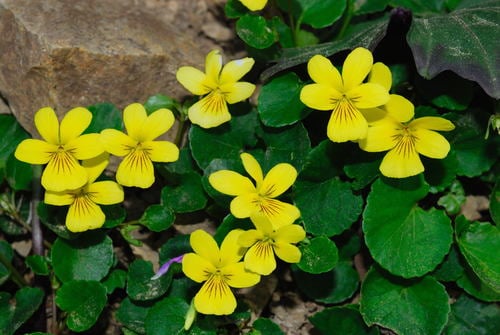
A herb. It grows up to 25 cm tall. It is almost without hairs. There are 1-3 or more leaves at the base. These are heart shaped and 8 cm wide by 6 cm long. They have coarse teeth. The stem leaves are smaller. There are 3 flowering stems. The flowers are bright yellow. They have purple or brown veins near the throat.
Edible Uses
The leaves and flowers are edible; traditionally the leaves and stems are parboiled, rinsed, and fried, often mixed with other leaves.
Traditional Uses
The leaves and stems are mixed with other leaves and parboiled, then rinsed and fried.
This uses section is brief — help expand it
Distribution
It is a temperate plant.
Where It Grows
Asia, Canada, Europe, North America, USA,
References (2)
- Moerman, D. F., 2010, Native American Ethnobotany. Timber Press. p 597 (As Viola pensylvanica)
- www.ediblewildfood.com