Rheum rhaponticum
L.
False rhubarb
iNaturalist· cc-by
(c) Hajime NAKANO, some rights reserved (CC BY)
iNaturalist· cc-by-nc-nd
(c) Klasse im Garten, some rights reserved (CC BY-NC-ND)
iNaturalist· cc-by-nc
(c) reinderw, some rights reserved (CC BY-NC)
Summary
Source: WikipediaRheum rhaponticum, the false rhubarb, rhapontic rhubarb or rhapontic, is a plant species in the genus Rheum found in the wild. It is the only Rheum species found only in Europe, and is now restricted to the Rila mountain range in south-western Bulgaria. It was introduced to other countries in Europe. It is considered to be one of the parents of the modern culinary rhubarb.
Description
A hardy perennial rhubarb reaching 1.2 m tall, suitable for UK zone 3. Wind-pollinated hermaphroditic flowers appear in June with seeds ripening in July. Tolerates loamy or heavy clay soils with mildly acid to alkaline pH; prefers well-drained, moist conditions and grows in semi-shade or full sun.
Edible Uses
The leaf stem can be eaten raw or cooked, with an acid flavour suited to use as a fruit substitute in tarts and similar dishes. The young flower pouch, harvested before the flowers open, is said to make a dish of great delicacy.
Traditional Uses
The leaf stalks are used in pies, jams and fruit salads.
This uses section is brief — help expand it
Medicinal Uses
Rhubarb has a long and proven history of herbal use, primarily exerting a positive and balancing effect on the whole digestive system, and is among the most widely used herbs in Chinese medicine, where R. palmatum is the main species. Although the chemistry of this species differs slightly, it is used interchangeably. One report notes that this species contains only small quantities of the medicinally active compounds and is therefore used only as a mild laxative. The root is anticholesterolemic, antiseptic, antispasmodic, antitumor, aperient, astringent, cholagogue, demulcent, diuretic, laxative, purgative, stomachic, and tonic. Small doses act as an astringent tonic to the digestive system, while larger doses act as a mild laxative. It is taken internally for chronic constipation, diarrhoea, liver and gall bladder complaints, haemorrhoids, menstrual problems, and skin eruptions caused by an accumulation of toxins. It is not prescribed for pregnant or lactating women, nor for patients with intestinal obstruction. Externally, the root is used in the treatment of burns. Roots are harvested in October from plants at least six years old and dried for later use. A homeopathic remedy prepared from the dried root is used especially for diarrhoea in teething children.
Known Hazards
The leaves contain high concentrations of oxalic acid. Oxalic acid can lock up certain minerals (especially calcium) in the body, leading to nutritional deficiency. Cooking the plant will reduce the concentration of oxalic acid. Another report says that the leaves have the same concentration of oxalic acid in the stems as they do in the leaves and it is not the oxalic acid that makes them poisonous. It says that any toxic properties of the leaves is more likely to be due to the presence of glycosides. People with a tendency to rheumatism, arthritis, gout, kidney stones or hyperacidity should take especial caution if including this plant in their diet since it can aggravate their condition.
Distribution
It is a temperate plant.
Where It Grows
Asia, Balkans, Bulgaria, Canada, Europe, North America, SE Asia, Siberia, Slovenia, USA, Vietnam,
Cultivation
Prefers a deep, fertile, moderately heavy, humus rich, moisture retentive, well-drained soil in sun or semi-shade. Shade tolerant, but plants prefer a sunny position. Grows well in heavy clay soils. Hardy to at least -20°c. This species is probably a parent of the cultivated rhubarb, R. x cultorum. Plants in this genus seem to be immune to the predations of rabbits. Hybridizes freely with other members of this genus.
Propagation
Seed is best sown in autumn in a shaded cold frame, though spring sowing in a cold frame is also possible. Once seedlings are large enough to handle, prick them out into individual pots and grow them on in a greenhouse or cold frame through their first winter, then plant out in spring. For division, work in early spring or autumn, splitting the rootstock with a sharp spade or knife and ensuring at least one growth bud per division. Larger divisions can go directly into their permanent positions; smaller ones are better potted up and grown on in light shade in a cold frame until well established before planting out in late spring or early summer.
Other Uses
Plants can be grown as ground cover when spaced approximately 1.8 metres apart in each direction.
Other Information
It is cultivated.
Nutrition
| Part | Moisture | kJ | kcal | Protein | Vit A | Vit C | Iron | Zinc |
|---|---|---|---|---|---|---|---|---|
| Stalk - raw | 94.2 | 26 | 6 | 0.6 | 60 | 10 | 0.4 | 0.1 |
| Stalk - stewed | 94.6 | 25 | 6 | 0.6 | 55 | 8 | 0.4 | — |
Synonyms
Also Known As
Rilski raven
References (6)
- http://www.botanic-gardens-ljubljana.com/en/plants
- Kermath, B. M., et al, 2014, Food Plants in the Americas: A survey of the domesticated, cultivated and wild plants used for Human food in North, Central and South America and the Caribbean. On line draft. p 740
- Moerman, D. F., 2010, Native American Ethnobotany. Timber Press. p 470
- Nedelcheva A., 2013, An ethnobotanical study of wild edible plants in Bulgaria. EurAsian Journal of BioSciences 7, 77-94
- World Checklist of Useful Plant Species 2020. Royal Botanic Gardens, Kew
Show all 6 references Hide references
- Zeven, A. C. & de West, J. M. J., 1982, Dictionary of cultivated plants and their regions of diversity. Wageningen. p 84
More from Polygonaceae

Eriogonum latifolium
Seaside buckwheat
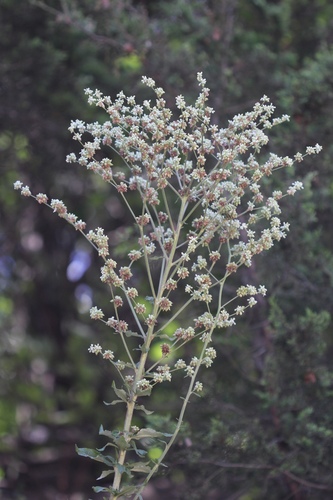
Eriogonum longifolium
Longleaf buckwheat
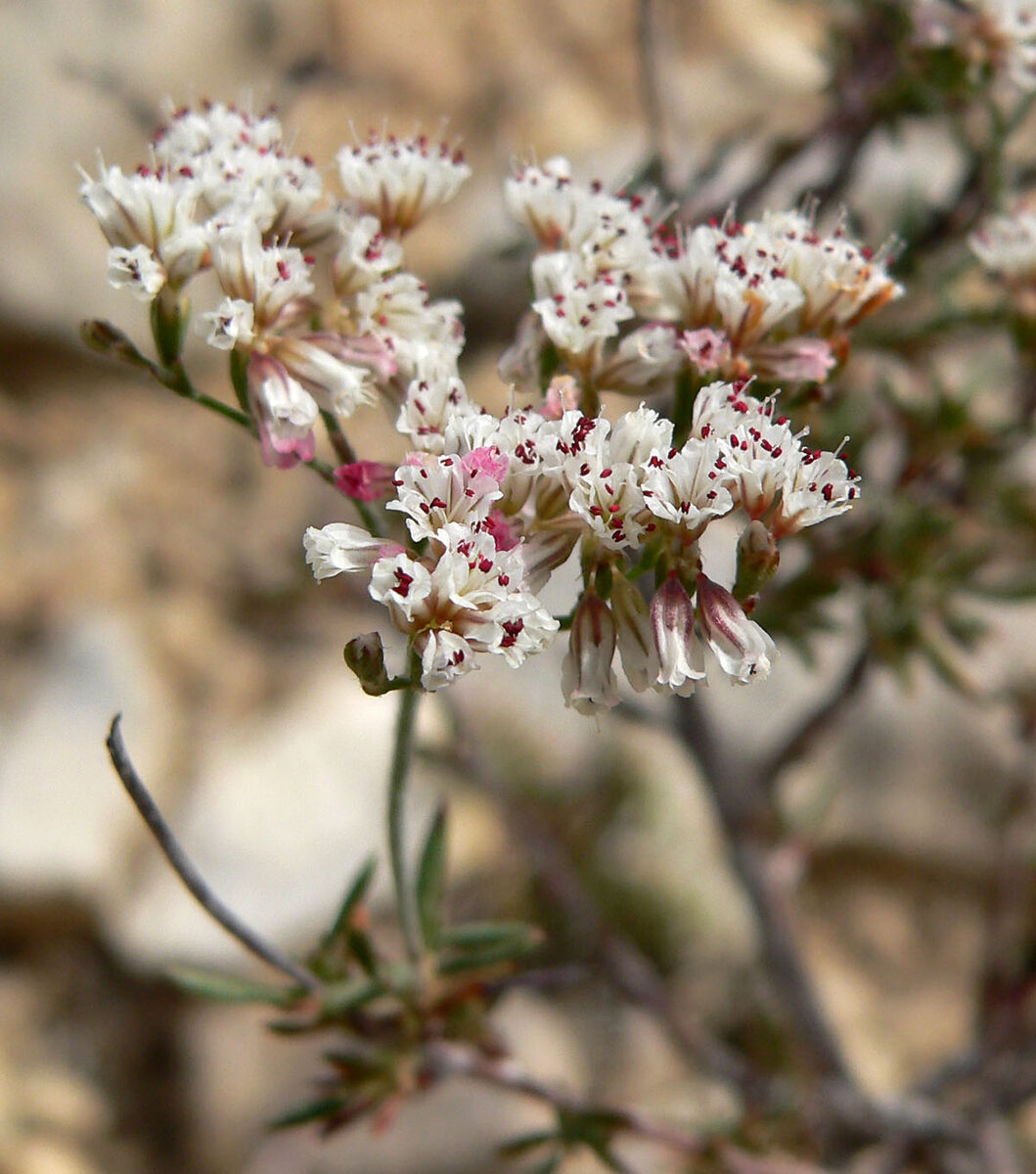
Eriogonum microthecum
Slender Buckwheat, Alpine slender buckwheat, San Bernardino buckwheat, Johnston's buckwheat, Panamin
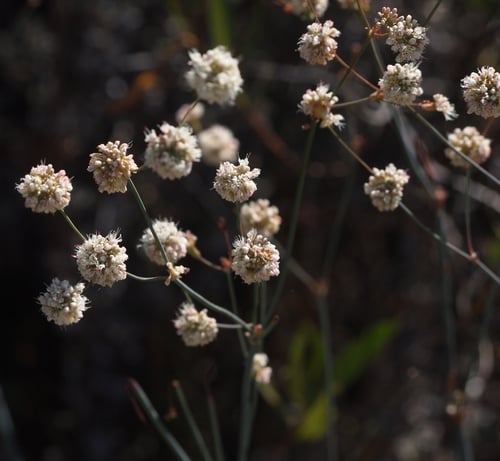
Eriogonum nudum var. oblongifolium
Naked buckwheat
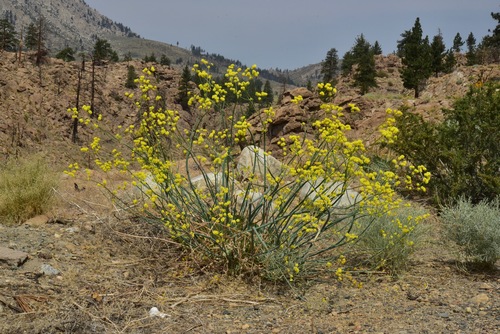
Eriogonum nudum var. pubiflorum
Naked buckwheat, Hairy flowered buckwheat
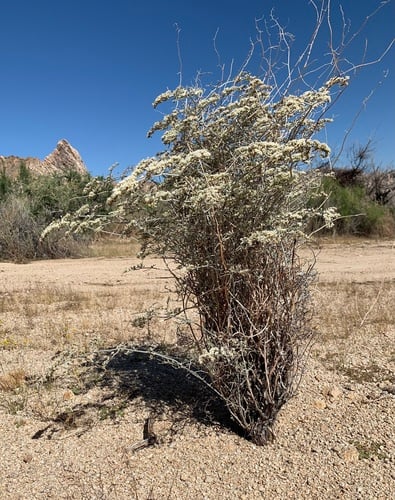
Eriogonum plumatella
Yucca buckwheat