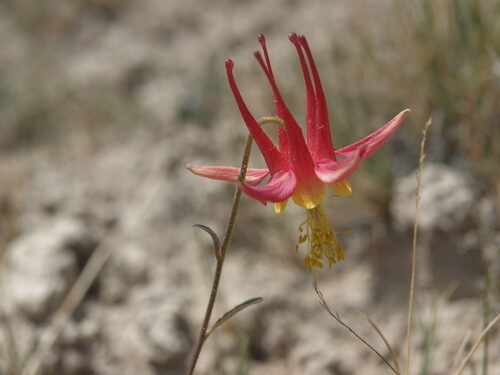
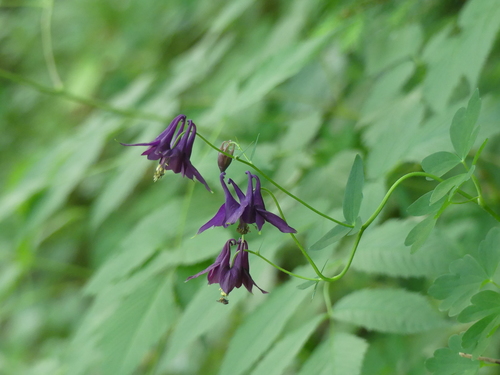
Ranunculus occidentalis
Nutt.
Western buttercup
iNaturalist· cc-by-nc
(c) pchin, some rights reserved (CC BY-NC)
iNaturalist· cc-by
(c) dloarie, some rights reserved (CC BY), uploaded by dloarie
iNaturalist· cc-by-nc-sa
(c) Jeff Ward, some rights reserved (CC BY-NC-SA), uploaded by Jeff Ward
Summary
Source: WikipediaRanunculus occidentalis, the western buttercup, is a species of buttercup found in the western regions of North America. Its distribution extends from Alaska through British Columbia and Alberta to central California. The flower can be seen in open meadows, forests, and other generally flat areas up to an elevation of 2,200 metres (7,200 ft). Aleut first nations may have used juice from the plant as a poison, its toxicity arising from the substance protoanemonin. Shasta first nations coincided blooming Ranunculus occidentalis with salmon runs in the summer. The seeds were used to make pinole, a staple food. This plant is similar to, and sometimes difficult to distinguish from, the California buttercup (Ranunculus californicus).
Description
A perennial buttercup reaching 0.6 m (2 ft) tall with hermaphrodite flowers blooming May to July. Tolerates light sandy, medium loamy, and heavy clay soils across mildly acidic to basic pH ranges. Grows in semi-shade or full sun and prefers consistently moist conditions.
Edible Uses
The seed is edible when cooked, and was used as piñole either alone or mixed with other seeds. It must first be parched to remove an acrid principle.
Medicinal Uses
None known.
Known Hazards
The juice from the flowers was used as a poison by native North American Indians. Thse toxins are likely to be present in all parts of the plant and can be destroyed by heat or by drying[4, 10, 13, 19, 62, 65]. Many if not all plants in this genus also have a strongly acrid juice that can cause blistering to the skin.
Distribution
It is a temperate plant.
Where It Grows
North America, USA,
Cultivation
We have very little information on this species and do not know if it will be hardy in Britain, though judging by its native range it should succeed outdoors at least in the milder areas of the country. The following notes are based on the general needs of the genus. Prefers a moist loamy soil. A greedy plant, inhibiting the growth of nearby plants, especially legumes.
Propagation
Sow seed in spring in a cold frame. Prick seedlings out into individual pots once large enough to handle, and plant out during summer. Larger divisions can be planted directly into permanent positions. Smaller divisions are better potted up and grown on in light shade in a cold frame until well established, then planted out in late spring or early summer.
Other Uses
None known.
Synonyms
References (2)
- Anderson, M. K., 2012, Edible Seeds and Grains of California Tribes and the Klamath Tribe of Oregon in the Phoebe Apperson Hearst Museum of Anthropology Collections, University of California, Berkeley. USDA p 15
- Moerman, D. F., 2010, Native American Ethnobotany. Timber Press. p 468