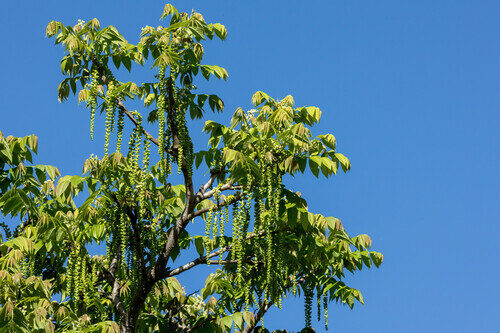
Carya floridana
Sarg.
Scrub hickory, Scrub pecan
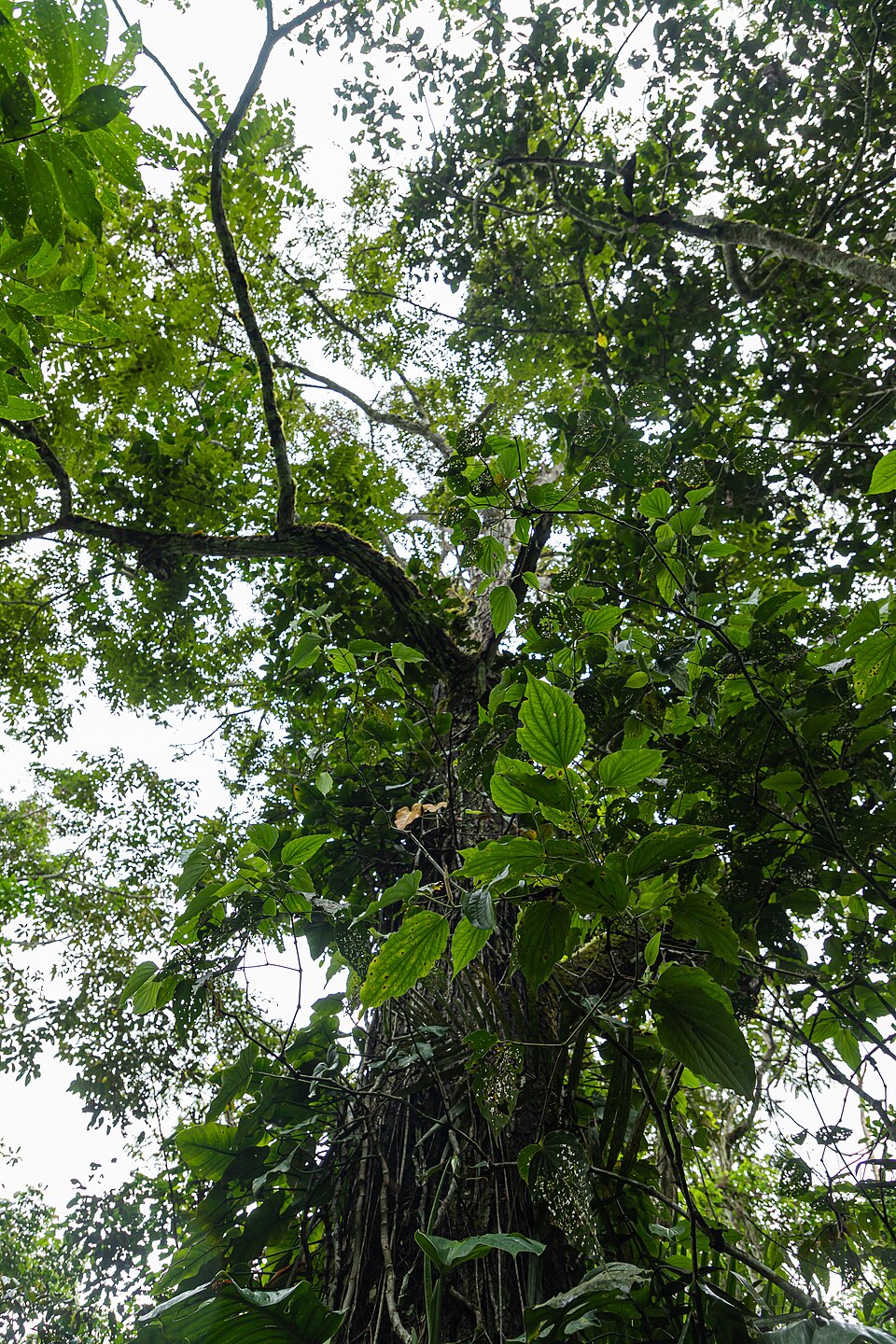
iNaturalist· cc-by-nc
(c) Tom Palmer, some rights reserved (CC BY-NC), uploaded by Tom Palmer
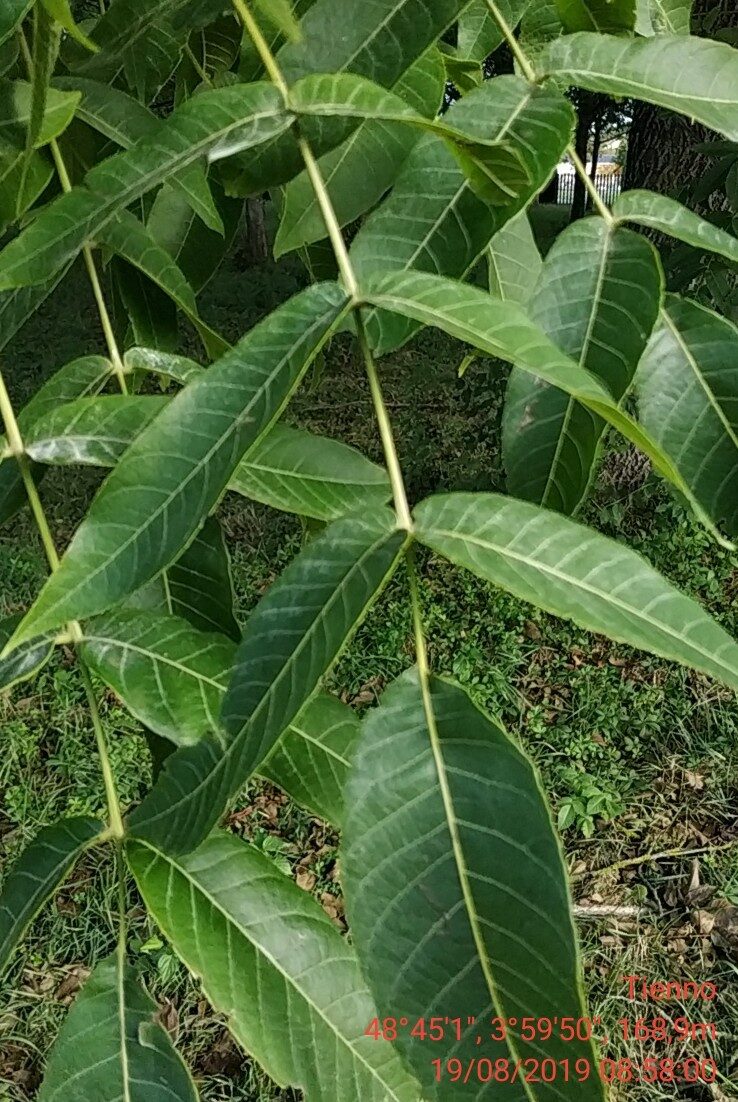
iNaturalist· cc-by-nc
(c) Tom Palmer, some rights reserved (CC BY-NC), uploaded by Tom Palmer
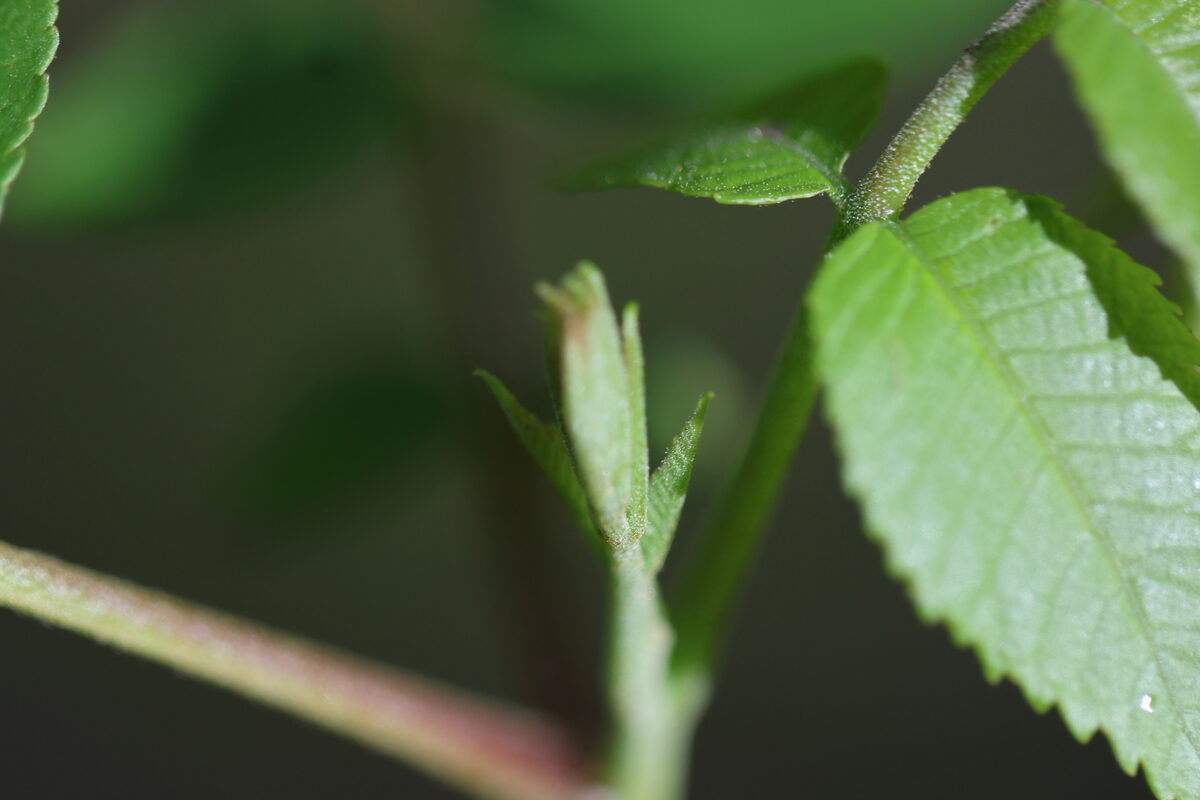
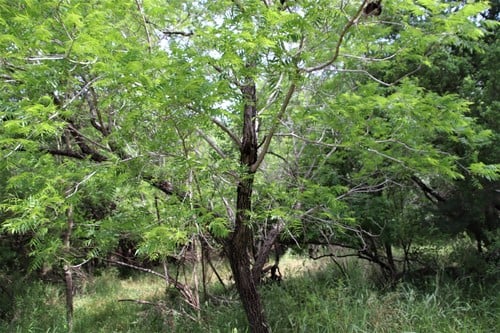
iNaturalist· cc-by-sa
(c) Douglas Goldman, some rights reserved (CC BY-SA), uploaded by Douglas Goldman
Summary
Source: WikipediaCarya floridana (syn. Hicoria floridana) the scrub hickory, is a small tree native to the Southeast United States, where it is endemic to central Florida.
Description
A small tree. It grows 6-8 m tall and spreads 3-5 m wide. It has many branches and a spreading crown. The trunk is 20 cm across. The bark is grey and smooth. The twigs are covered with rust coloured hairs. The leaves are compound and 10-20 cm long. The leaves have leaflets along the stalk. There are 5 distinct leaflets and these have fine teeth. The leaflets are 4-10 cm long. They are green above and yellowish-green underneath. The flowers are very small and green. The male flowers are in slender drooping catkins. There are 3 hanging from a stalk. The female flowers are at the tips of the same twigs. The fruit are 2-3 cm long and slightly pear shaped. They narrow to a stalkless base. The thin husk splits into 3 parts. The nut is rounded and 15 mm across. The nuts are edible.
Edible Uses
The sweet kernel is edible, though it sits inside a thick shell. Seeds reach up to 3cm long, ripen in late autumn, and will keep for at least 6 months when stored in the shell in a cool place.
Traditional Uses
The kernels are sweet and are eaten.
This uses section is brief — help expand it
Medicinal Uses
None known.
Distribution
It grows in central Florida. It grows in dry sand ridges on old sand dunes. It grows up to 30 m altitude. It needs full sun. It suits hardiness zones 9-10.
Where It Grows
Australia, North America, USA,
Cultivation
We have very little information on this species and do not know if it will be hardy in Britain. This species is well-adapted to growing on dry soils. The following notes are based on the general needs of the genus. Prefers a deep moisture-retentive loam in a sunny sheltered position, requiring a good summer for best development. Slow growing. Plants are strongly tap-rooted and should be planted in their permanent positions as soon as possible. Sowing in situ would be the best method so long as the seed could be protected from mice. Trees are late coming into leaf (usually late May to June) and lose their leaves early in the autumn (usually in October). During this time they cast a heavy shade. These factors combine to make the trees eminently suitable for a mixed woodland planting with shrubs and other trees beneath them. Plants in this genus are notably resistant to honey fungus. Most species in this genus have quite a wide range of distribution and, in order to find trees more suited to this country, seed from the most appropriate provenances should be sought. Most trees growing in Britain at present tend to only produce good seed after hot summers. Trees are self-fertile but larger crops of better quality seeds are produced if cross-pollination takes place.
Propagation
Seed requires cold stratification before it will germinate. Sow in a cold frame as soon as seed is ripe; stored seed should be kept moist (but not wet) and sown in a cold frame as soon as possible. Where possible, sow 1 or 2 seeds per deep pot and thin to the strongest seedling. Transplant seedlings as soon as they are large enough to handle, using deep pots to accommodate the taproot, and move plants to their permanent positions as soon as possible — ideally in their first summer — with cold protection for at least the first winter. Seed can also be sown in situ with protection from mice and cold; a bottomless plastic bottle capped with wire mesh works well for both purposes.
Other Uses
The wood is primarily used as fuel.
Production
It starts to produce nuts when young.
Notes
There are about 14-25 Carya species.
Also Known As
Florida hickory
References (6)
- Bircher, A. G. & Bircher, W. H., 2000, Encyclopedia of Fruit Trees and Edible Flowering Plants in Egypt and the Subtropics. AUC Press. p 86
- Cundall, P., (ed.), 2004, Gardening Australia: flora: the gardener's bible. ABC Books. p 334
- Kermath, B. M., et al, 2014, Food Plants in the Americas: A survey of the domesticated, cultivated and wild plants used for Human food in North, Central and South America and the Caribbean. On line draft. p 188
- Little, E.L., 1980, National Audubon Society Field Guide to North American Trees. Alfred A. Knopf. p 346
- Plants for a Future database, The Field, Penpol, Lostwithiel, Cornwall, PL22 0NG, UK. http://www.scs.leeds.ac.uk/pfaf/
Show all 6 references Hide references
- Trees & shrubs 2:193, t. 177. 1913