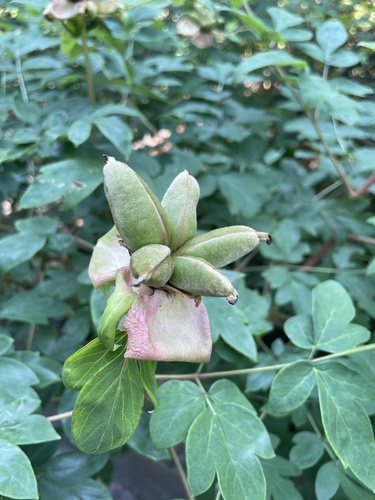
Paeonia californica
Nutt.
California peony
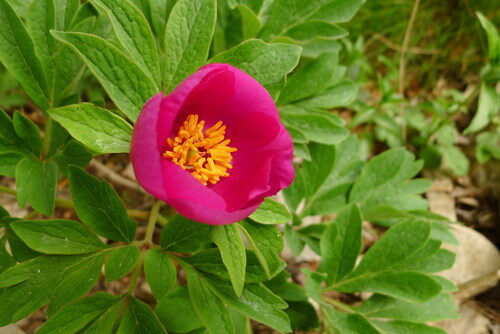
iNaturalist· cc-by-sa
(c) Joe Decruyenaere, some rights reserved (CC BY-SA)
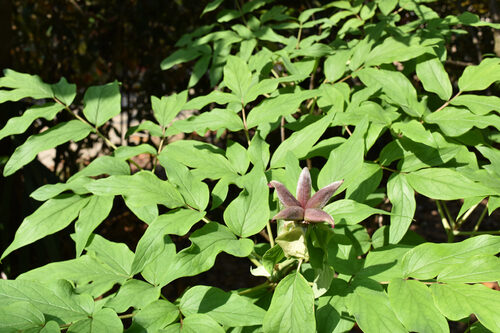
iNaturalist· cc-by-nc
(c) nathantay, some rights reserved (CC BY-NC)
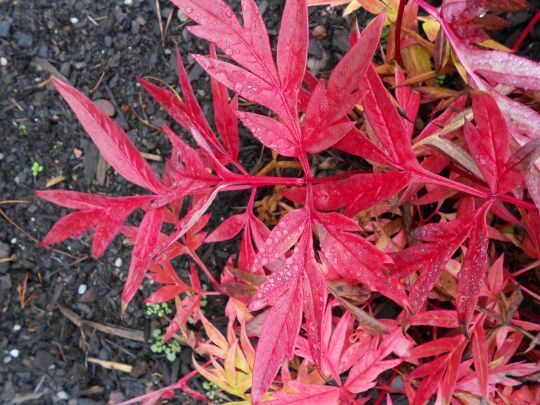
iNaturalist· cc-by-nc
(c) nathantay, some rights reserved (CC BY-NC)
Summary
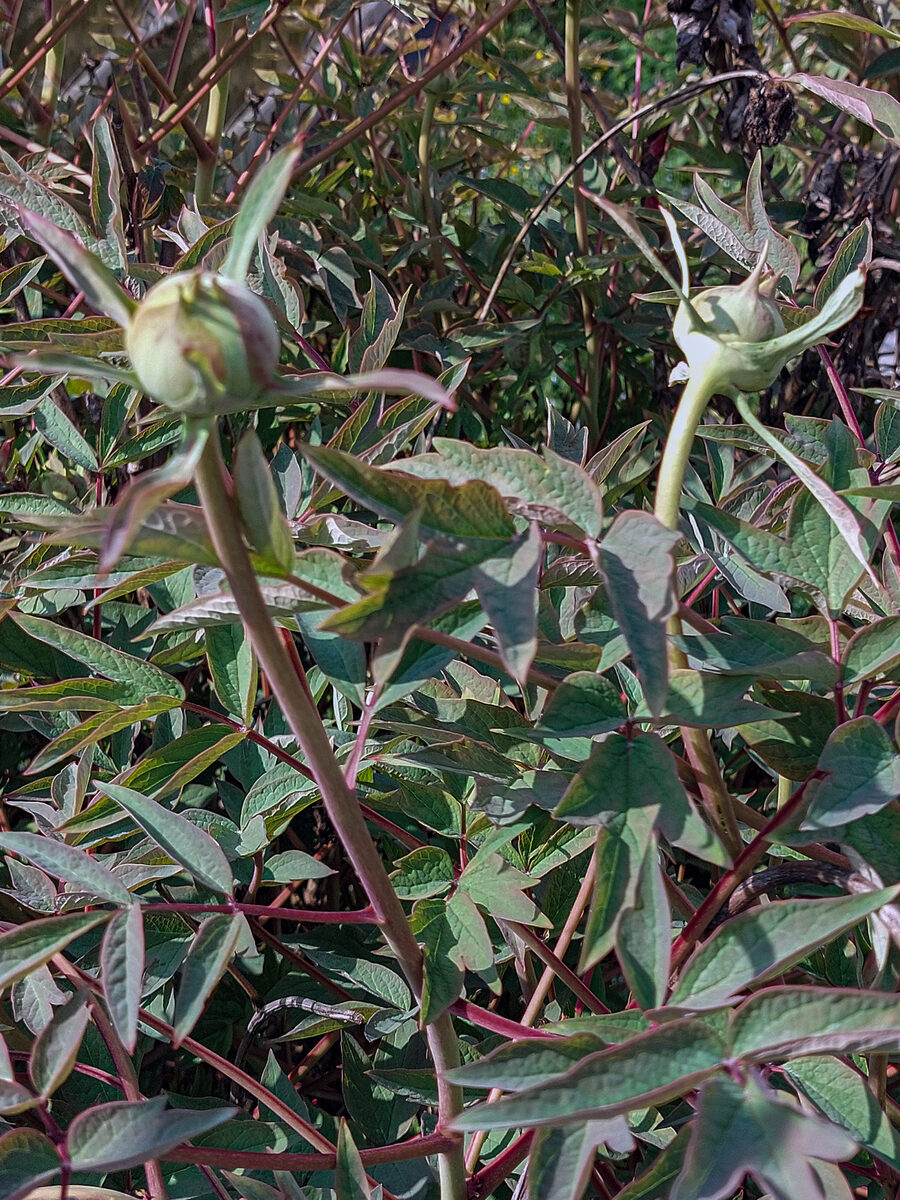
Source: WikipediaPaeonia californica is a perennial herbaceous plant of 35–70 cm (14–28 in) high, that retreats underground in summer, and reoccurs with the arrival of the winter rains. It has lobed leaves, elliptic (cup-shaped) drooping flowers with dark maroon-colored petals, and many yellow anthers. It flowers mostly from January to March (or sometimes as early as December or as late as May), and later develops two to five fruits per flower. Its common name is California peony and it is sometimes also referred to as wild peony. This peony is an endemic of southwestern California (USA), where it is not rare, and northernmost Baja California (Mexico). It grows on dry hillsides in the coastal sage scrub and chaparral communities of the coastal mountains of Southern and Central California, often as an understory plant. It is sometimes considered a subspecies of the other Paeonia species native to North America, Paeonia brownii.
Description
A herbaceous plant in the peony family (Paeoniaceae) native to temperate regions. It produces edible young leaves that are characteristically bitter.
This description is brief — help expand it
Edible Uses
The young leaves are cooked as greens. They are boiled and then washed extensively to remove the bitterness.
Traditional Uses
The young leaves are cooked as greens. They are boiled and then washed extensively to remove the bitterness.
This uses section is brief — help expand it
Distribution
It is a temperate plant.
Where It Grows
North America, USA,
References (1)
- Moerman, D. F., 2010, Native American Ethnobotany. Timber Press. p 375