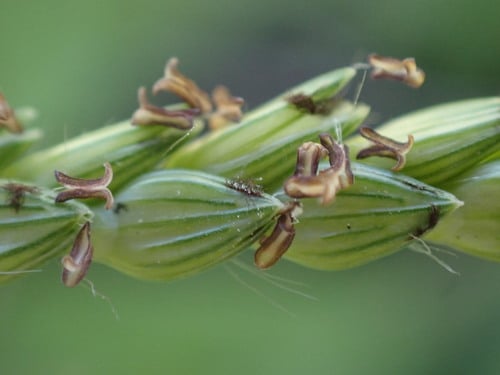
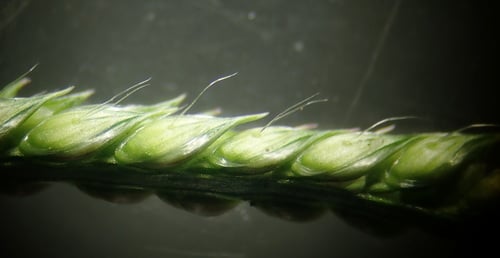
Muhlenbergia rigens
(Benth.) A. S. Hitchc.
Deer Grass
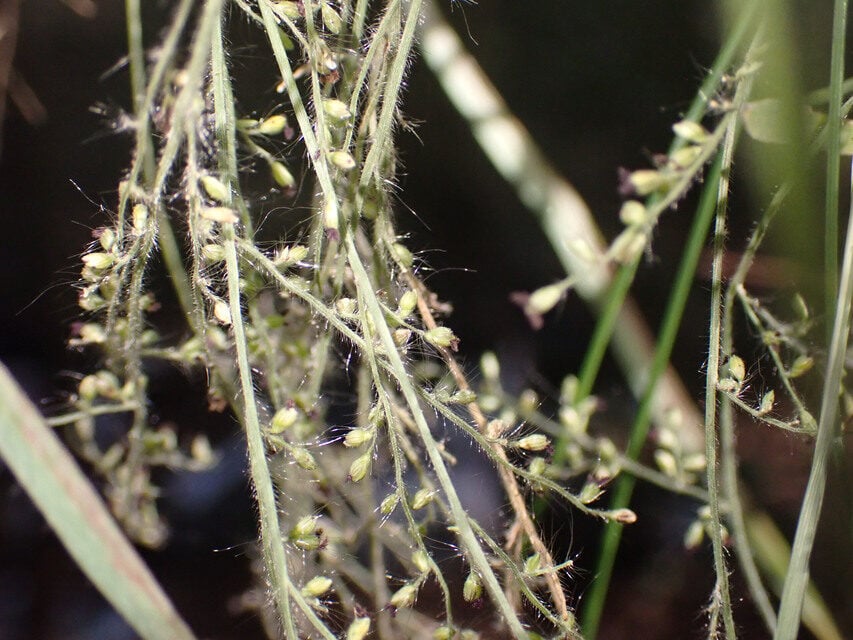
iNaturalist· cc-by-nc
(c) nocanyonhills, some rights reserved (CC BY-NC)
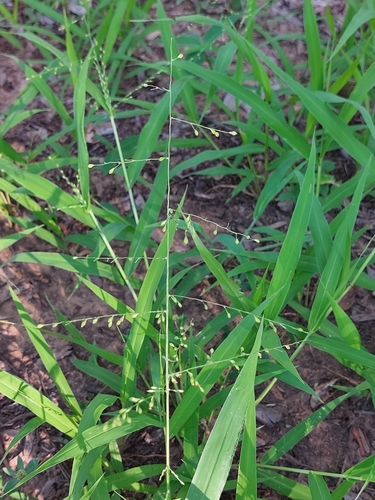
iNaturalist· cc-by-sa
(c) Curtis Clark, some rights reserved (CC BY-SA)
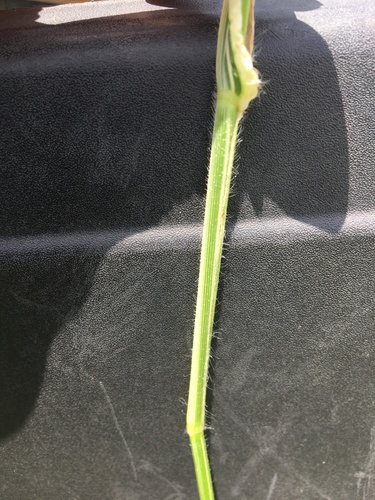
iNaturalist· cc-by
(c) Millie Basden, some rights reserved (CC BY), uploaded by Millie Basden
Summary
Source: WikipediaMuhlenbergia rigens, commonly known as deergrass, is a warm season perennial bunchgrass. It is found in sandy or well-drained soils below 7,000 feet (2,100 m) in elevation in the Southwestern United States and parts of Mexico.
Description
A perennial bunchgrass reaching 0.8 m tall and wide, hardy to UK zone 7 with no frost tenderness. Wind-pollinated. Tolerates light sandy, medium loamy, and heavy clay soils with good drainage preference, and mildly acidic through basic soils. Requires full sun and prefers moist soil but tolerates drought. Native to southwestern United States and northern Mexico, especially common on stream banks, washes, and seasonally moist areas in arid regions. Flowers late spring through summer with seed maturation continuing through early autumn.
Edible Uses
Seeds can be ground into a powder and eaten as a mush, or mixed with other ground seeds to make porridge or bread. The seeds are very small, requiring around 500,000 to make 100g. They were historically gathered and eaten by Native Americans in similar ways to other wild cereal grains. The best nutritional value comes from fully mature grains, when nutrients are most concentrated. Developing seeds also pass through a milk stage when they are soft and can be eaten fresh, though only in small quantities.
Traditional Uses
The seeds are ground and mixed with cornmeal and made into a porridge. They are also ground into flour to make bread.
This uses section is brief — help expand it
Medicinal Uses
None known
Distribution
It is a temperate plant.
Where It Grows
North America, USA,
Propagation
Sow seed in spring in a greenhouse, barely covering it. Germination should occur within 2 weeks. Prick seedlings into individual pots when large enough to handle and plant out in summer if sufficiently developed; otherwise, grow on in a greenhouse through the first winter and plant out in late spring the following year. Divide in spring; larger divisions can go directly into permanent positions, while smaller divisions are best potted up and grown on in a lightly shaded position in a cold frame until well established before planting out in summer.
Other Uses
The plant is a valuable streambank stabilizer thanks to its extensive root system, and dense colonies can effectively suppress weeds. In the wild it grows in large, dense clumps, but in areas subjected to light, frequent ground fires it can form a continuous cover. The stems are used as the foundation material in coiled basketry, and individual baskets frequently require thousands of flower stalks to complete. Culms are gathered in late spring while still green or in summer to early autumn when golden brown.
Synonyms
References (1)
- Moerman, D. F., 2010, Native American Ethnobotany. Timber Press. p 350