Ligusticum grayi
Coult. & Rose
Gray's licorice root
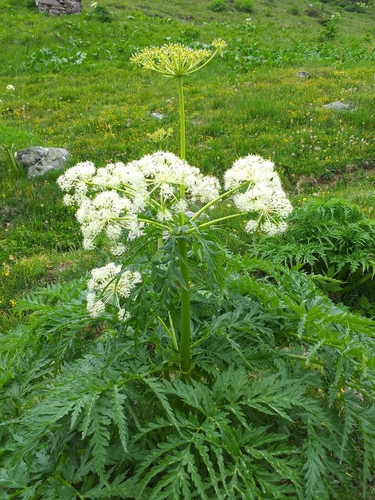
iNaturalist· cc-by-nc
(c) Sonia S, some rights reserved (CC BY-NC), uploaded by Sonia S
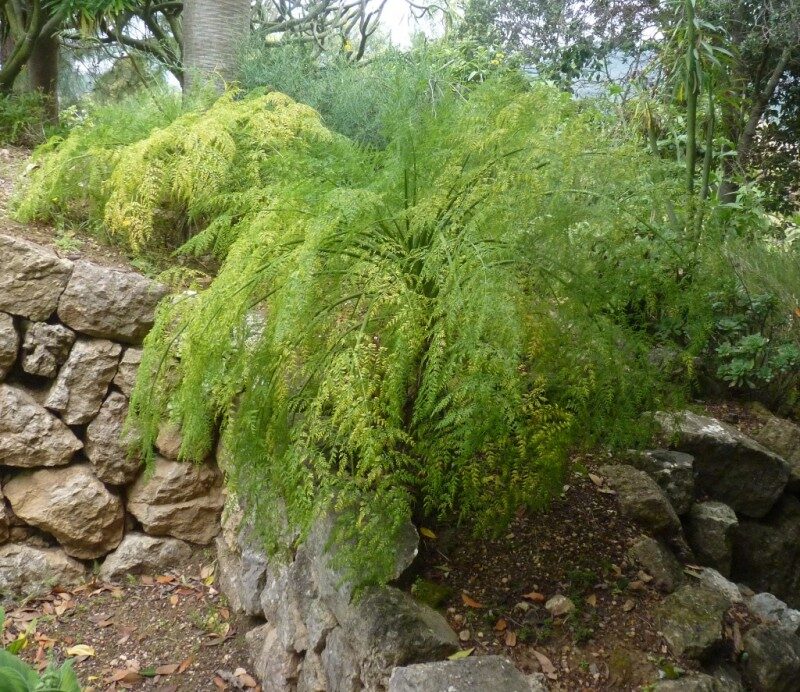
iNaturalist· cc-by-nc
(c) Adam Schneider, some rights reserved (CC BY-NC), uploaded by Adam Schneider
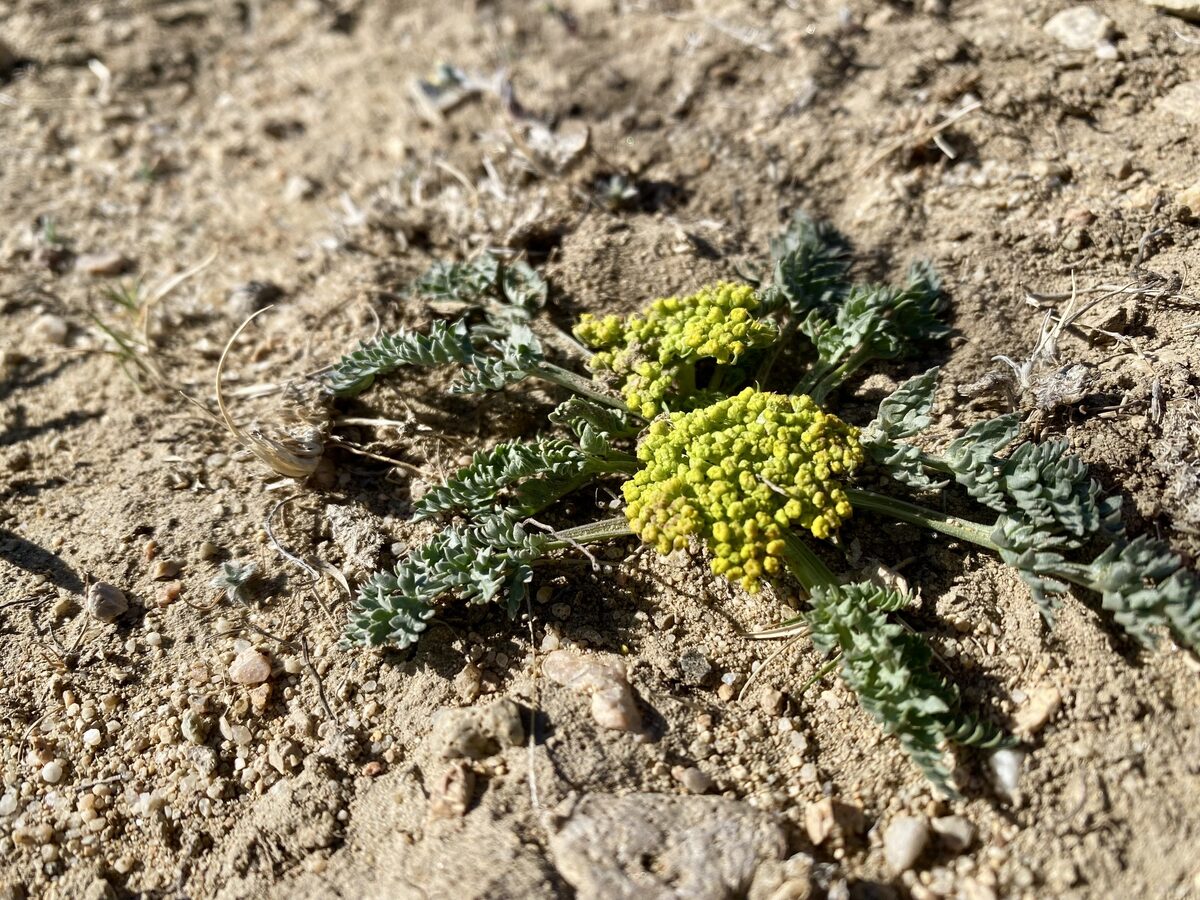
iNaturalist· cc-by
(c) Matt Berger, some rights reserved (CC BY), uploaded by Matt Berger
Summary
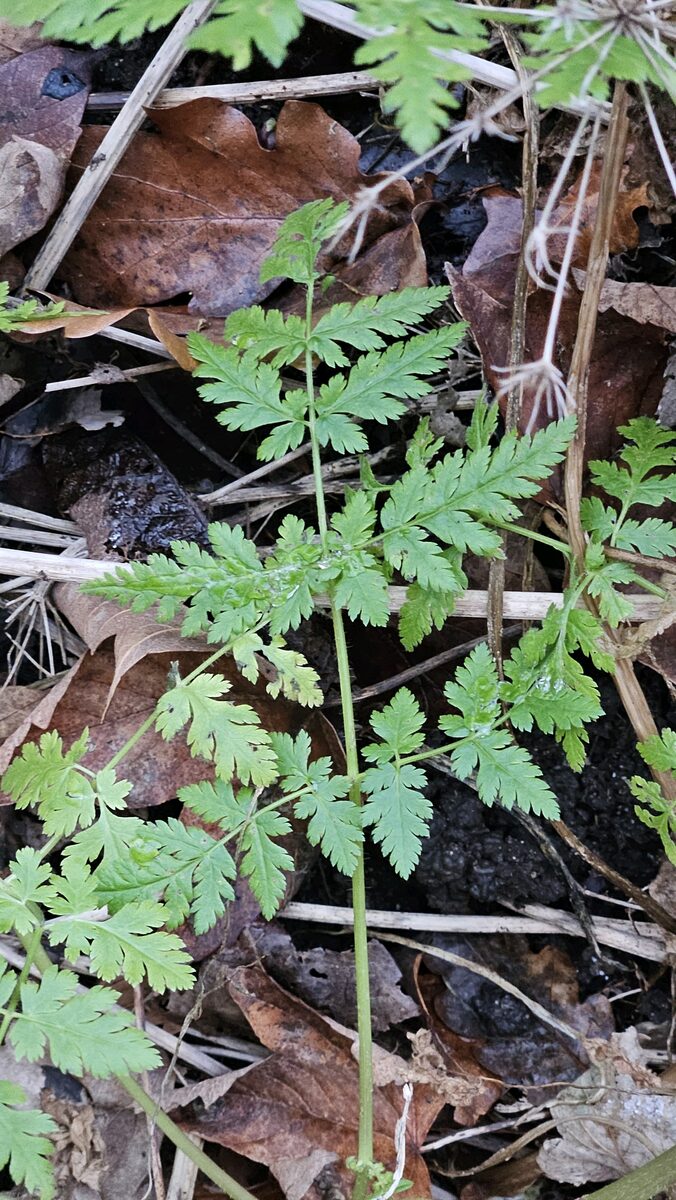
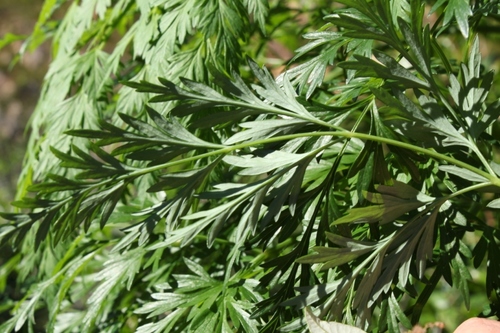
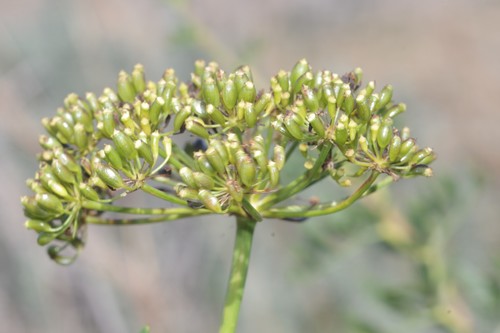
Source: WikipediaLigusticum grayi is a species of flowering plant in the carrot family known by the common name Gray's licorice-root. It is native to the western United States from Montana to California, where it grows in moist, mountainous habitat, such as meadows and forest floors. It is a carrotlike, perennial herb growing from a taproot to heights between 20 and 80 centimeters. The leaves are like those of its relatives, including celery, each divided into several leaflets with pointed lobes. The inflorescence is a compound umbel of many small, white flowers. The Atsugewi used various parts of this plant for medicinal and other uses. The species could be confused with poison hemlock.
Description
A temperate herb in the Apiaceae (carrot) family.
This description is brief — help expand it
Edible Uses
The leaves are soaked and cooked before eating.
Traditional Uses
The leaves are soaked and cooked, then eaten.
This uses section is brief — help expand it
Distribution
It is a temperate plant.
Where It Grows
North America, USA,
References (1)
- Moerman, D. F., 2010, Native American Ethnobotany. Timber Press. p 306