Ligusticum canadense
(L.) Britton
Canadian licorice root
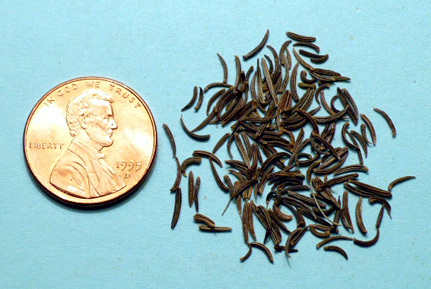
iNaturalist· cc-by
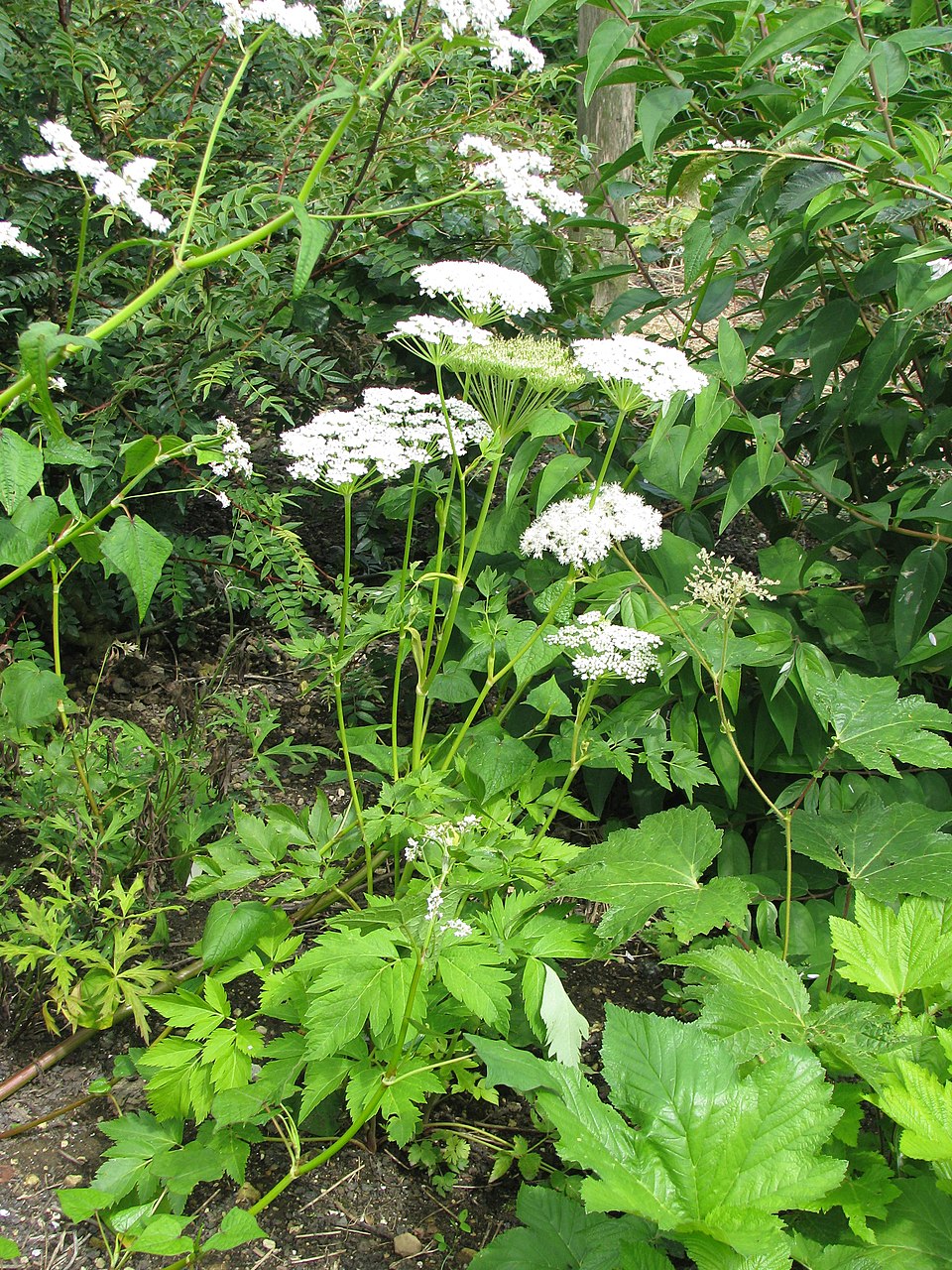
(c) Michael J. Papay, some rights reserved (CC BY), uploaded by Michael J. Papay
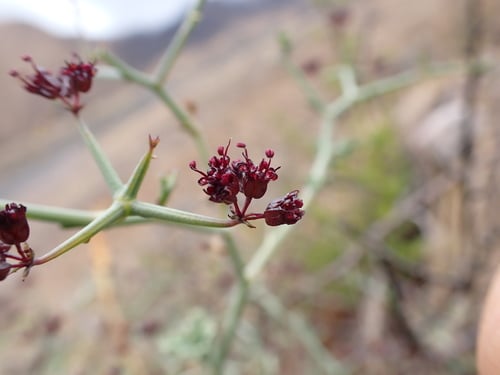
iNaturalist· cc-by
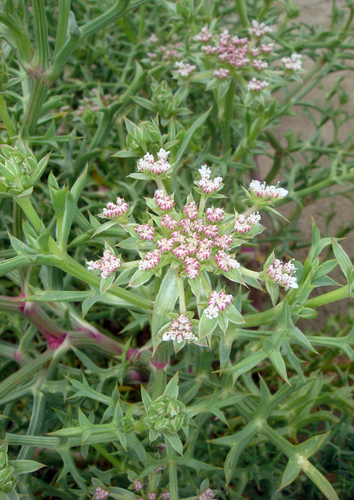
(c) Michael J. Papay, some rights reserved (CC BY), uploaded by Michael J. Papay
iNaturalist· cc-by
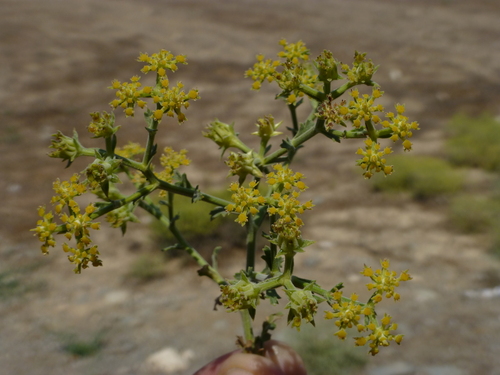
(c) Michael J. Papay, some rights reserved (CC BY), uploaded by Michael J. Papay
Summary
Source: WikipediaLigusticum canadense, known by the common names of American lovage, boar hog root, and Canadian licorice-root, is a member of the carrot family, Apiaceae. It is native to the eastern United States, primarily in Missouri, Tennessee, Georgia, and North Carolina. Despite its name, the northern range of L. canadense remains hundreds of miles south of the Canadian border. It is a perennial herb growing up to 6 ft (1.8 m) tall.
Description
A herb. It is stout and grows 150 cm tall. The leaves are compound with 3-4 leaflets.
This description is brief — help expand it
Edible Uses
The young leaves and stems are edible cooked. They have traditionally been boiled and used as greens, often alongside ramp leaves (Allium tricoccum). Leaves can also be dried for later use.
Traditional Uses
The young leaves are dried and then fried and eaten.
This uses section is brief — help expand it
Medicinal Uses
The root has been chewed to treat stomach disorders.
Distribution
It is a temperate plant. It suits hardiness zone 6.
Where It Grows
Canada, North America, USA,
Other Uses
None known.
Synonyms
References (2)
- Jackes, D. A., Edible Forest Gardens
- Moerman, D. F., 2010, Native American Ethnobotany. Timber Press. p 305