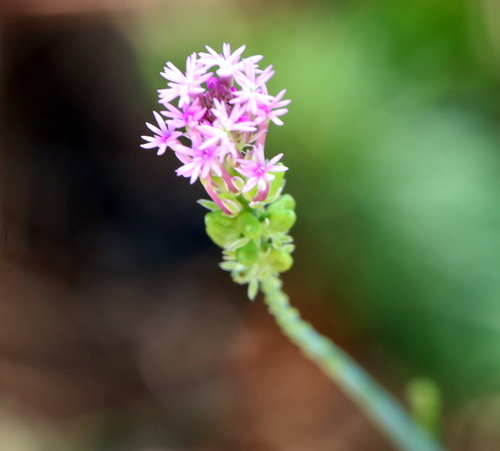
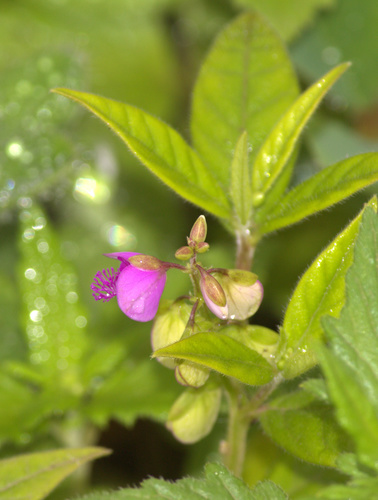
Carpolobia alba
G. Don
iNaturalist· cc-by-nc
(c) Carel Jongkind, some rights reserved (CC BY-NC), uploaded by Carel Jongkind
Summary
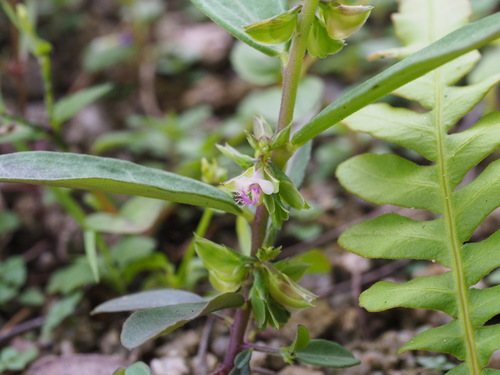
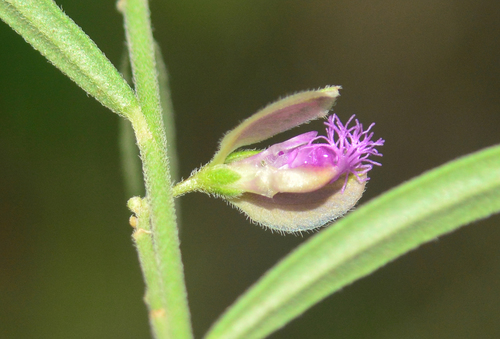
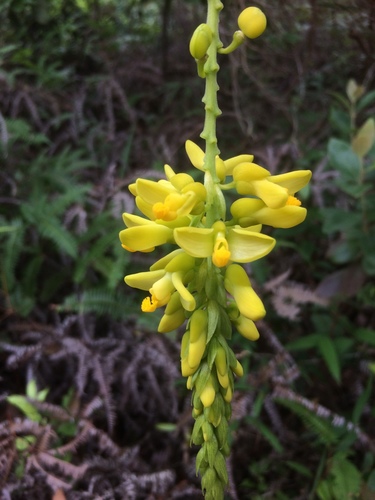
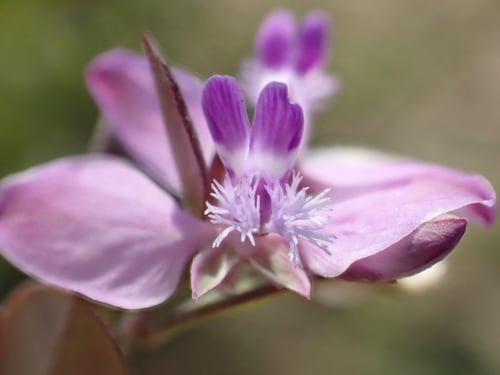
Source: WikipediaCarpolobia alba is a plant species in the milkwort family (Polygalaceae) that is endemic to rainforests, forest fringes, and savanna-park with altitudes below 400 metres (1,300 ft) in Western Tropical Africa. It is a shrub or small tree which is 3 to 6 metres (9.8 to 19.7 ft) tall. Its branches are puberulous or shortly pubescent. Its leaves are membranous or slightly leathery. The flowers it produces are yellowish white or white with a crimson spot at the base of upper petals. It produces yellow or scarlet-coloured fruit which are edible and usually contain 3 seeds. It was first described by George Don in 1831. It is used traditionally as a medicine against sexual dysfunction.
Description
A shrub or small tree. It grows 8 m high. The trunk is 10 cm across. The leaves vary. The flowers are white with a red spot. The fruit are round and yellow or orange-red. They are 1 cm across. The seeds are 3 angled. There are 2-3 seeds in each fruit.
Edible Uses
The roots are eaten roasted or raw, and the fruit are eaten raw, with the fruit being especially popular with children.
Traditional Uses
The roots are eaten roasted or raw. The fruit are eaten raw.
This uses section is brief — help expand it
Distribution
A tropical plant. It grows in the forest under-storey. In Nigeria it has been recorded to 600 m above sea level.
Where It Grows
Africa, Angola, Cameroon, Central Africa, Central African Republic, CAR, Congo DR, Congo R, East Africa, Gabon, Ghana, Guinea, Guinée, Guinea-Bissau, Liberia, Mozambique, Nigeria, Sierra Leone, West Africa,
Production
Fruiting is seasonal. In Central African Republic flowers have been observed in February and fruit in May.
Other Information
The fruit are especially eaten by children.
Notes
There may be 14 Carpolobia species. Polygalaceae mostly grow in warm and temperate coastal areas which are not arid.
Synonyms
Also Known As
Afiafia, Bongbingbi, Bontanhe, Essa, Eyale-mbeh, Fesha, Iseke, Isekya, Lindiko, Liyambaliyekondo, Lokembia, Luxure, Monono, Oka, Onong, Toumbi
References (18)
- Abbiw, D.K., 1990, Useful Plants of Ghana. West African uses of wild and cultivated plants. Intermediate Technology Publications and the Royal Botanic Gardens, Kew. p 46
- Billong Fils, P. E., et al, 2020, Ethnobotanical survey of wild edible plants used by Baka people in southeastern Cameroon. Journal or Ethnobiology and Ethnomedicine. 16:64 p 7
- Bircher, A. G. & Bircher, W. H., 2000, Encyclopedia of Fruit Trees and Edible Flowering Plants in Egypt and the Subtropics. AUC Press. p 85
- Burkill, H. M., 1985, The useful plants of west tropical Africa, Vol. 1. Kew. (Also as Carpolobia glabrescens)
- Chapman, J. D. & Chapman, H. M., 2001, The Forest Flora of Taraba and Andamawa States, Nigeria. WWF & University of Canterbury. p 195
Show all 18 references Hide references
- Dalziel, J. M., 1937, The Useful plants of west tropical Africa. Crown Agents for the Colonies London.
- Grubben, G. J. H. and Denton, O. A. (eds), 2004, Plant Resources of Tropical Africa 2. Vegetables. PROTA, Wageningen, Netherlands. p 560
- Jardin, C., 1970, List of Foods Used In Africa, FAO Nutrition Information Document Series No 2.p 64, 125
- Liengola, I. B., 2001, A contribution to the study of native edible plants by the Turumbu and Lokele of the Tshopo District, Province Orientale, D. R. Congo. Syst. Geogr. Pl. 71:687-698
- Martin, F.W. & Ruberte, R.M., 1979, Edible Leaves of the Tropics. Antillian College Press, Mayaguez, Puerto Rico. p 213
- Nkeoua, G. & Boundzanga, G. C., 1999, Donnees sur les produits forestieres non ligneux en Republique du Congo. FAO. p 21
- Peters, C. R., O'Brien, E. M., and Drummond, R.B., 1992, Edible Wild plants of Sub-saharan Africa. Kew. p 161
- Reis, S. V. and Lipp, F. L., 1982, New Plant Sources for Drugs and Foods from the New York Botanical Garden herbarium. Harvard. p 150
- Termote, C., et al, 2011, Eating from the wild: Turumbu, Mbole and Bali traditional knowledge of non-cultivated edible plants, District Tshopo, DRCongo, Gen Resourc Crop Evol. 58:585-618
- Vivien, J., & Faure, J.J., 1996, Fruitiers Sauvages d'Afrique. Especes du Cameroun. CTA p 263
- von Katja Rembold, 2011, Conservation status of the vascular plants in East African rain forests. Dissertation Universitat Koblenz-Landau p 160
- World Checklist of Useful Plant Species 2020. Royal Botanic Gardens, Kew
- Zapfack, L., et al, 2001, Ethnobotanical Survey of the Takamanda Forest Reserve. Consultancy Report PROFA, Cameroon. p 30