Eriogonum baileyi
S. Wats.
Bailey's buckwheat
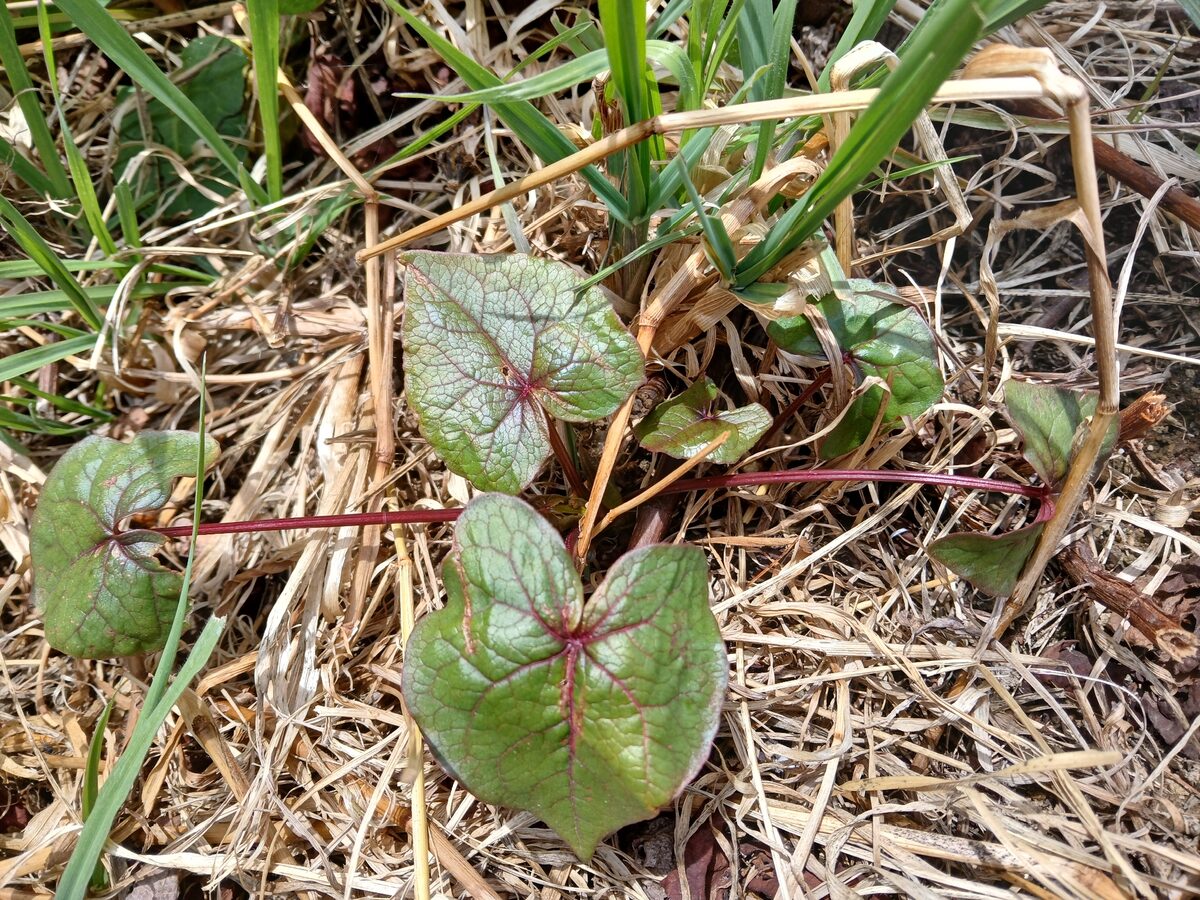
iNaturalist· cc-by
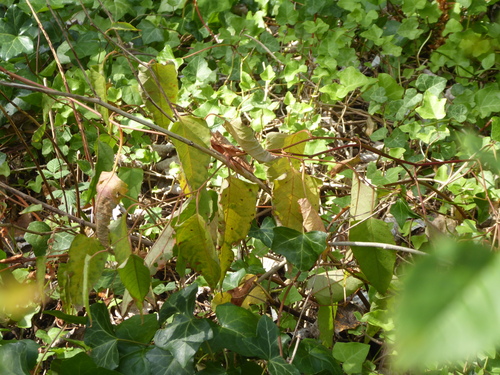
(c) Matt Berger, some rights reserved (CC BY), uploaded by Matt Berger
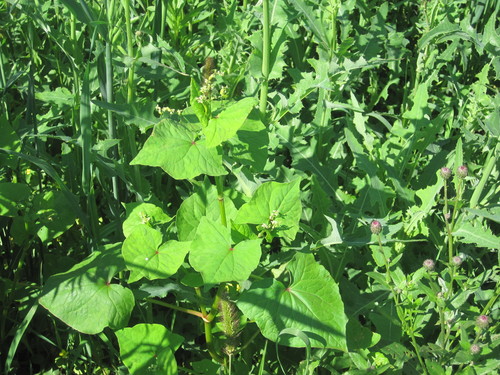
iNaturalist· cc-by-nc
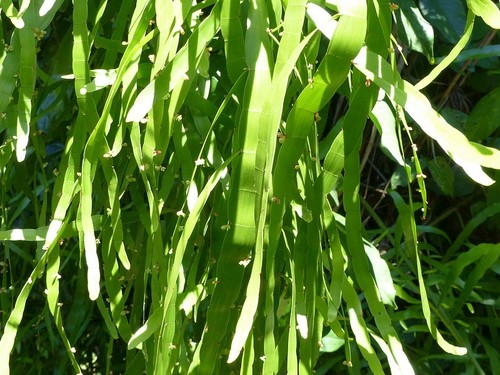
(c) garesgarden, some rights reserved (CC BY-NC)
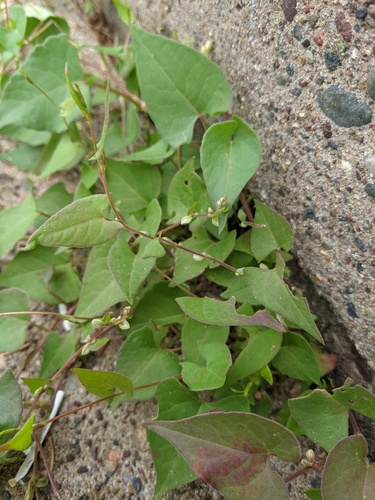
iNaturalist· cc-by-nc
(c) James Bailey, some rights reserved (CC BY-NC), uploaded by James Bailey
Summary
Source: WikipediaEriogonum baileyi is a species of wild buckwheat that is commonly known as Bailey's buckwheat. It is native to the western United States, where it is a common member of the flora in several types of sandy habitat, such as desert and sagebrush. Eriogonum baileyi is an annual herb. It produces a spreading to erect, often wool-coated stem up to about half a meter tall. Leaves are woolly, round and located at the base of the plant. The inflorescence is a branching cyme bearing many clusters of flowers. The individual flowers are 1 to 2 millimeters wide and white or pink in color.
Description
A herb. It grows each year from seed. The stem is erect and has a wooly coat. It grows 50 cm tall. The leaves are at the base of the plant and are round and woolly. The flowering shoot has many clusters of flowers. The flowers are white or pink.
Edible Uses
The seeds are pounded into a meal and eaten dry or mixed with water to make a drink.
Traditional Uses
The seeds are pounded into a meal. They can be eaten dry or mixed with water to make a drink.
This uses section is brief — help expand it
Distribution
It is a temperate plant. It grows between 500-2,900 m above sea level.
Where It Grows
North America, USA,
References (1)
- Moerman, D. F., 2010, Native American Ethnobotany. Timber Press. p 221