Calystegia pubescens
Lindl.
iNaturalist· cc-by-nc
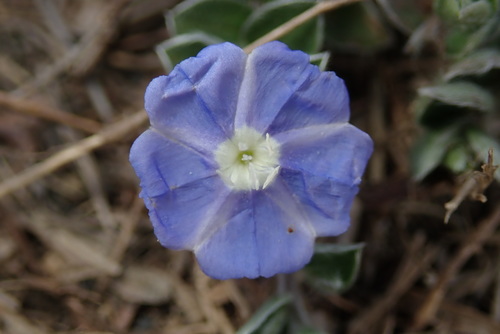
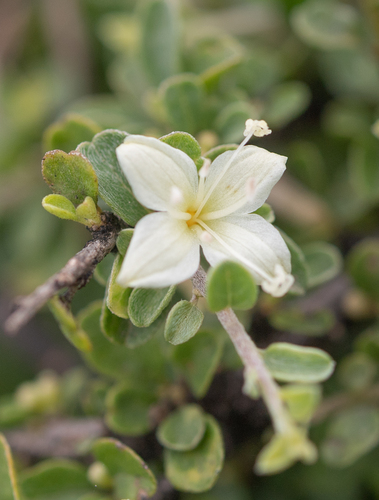
(c) Lee, seong-won, some rights reserved (CC BY-NC), uploaded by Lee, seong-won
iNaturalist· cc-by-nc
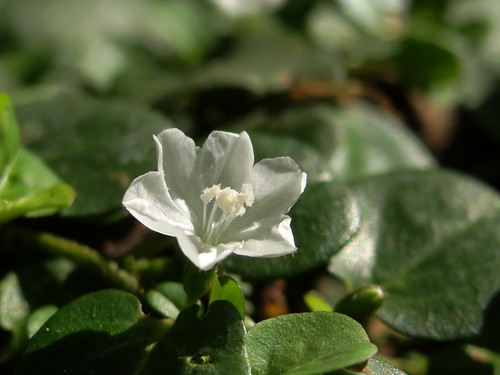
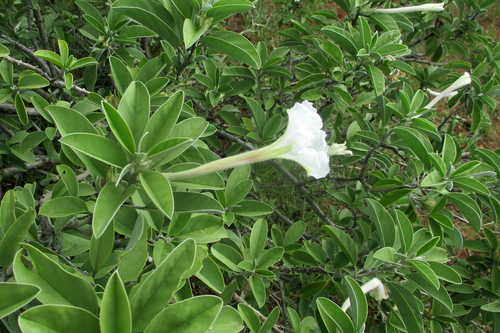
(c) Cathryn, some rights reserved (CC BY-NC), uploaded by Cathryn
Summary
Source: WikipediaCalystegia pubescens, commonly known as Japanese bindweed, is a species of bindweed. This is a small climbing plant that grows to 20~70 centimeters in height. The corolla is partially pink and is under 4 cm long. This species is a weedy wildflower distributed in South Korea, Japan, and countries in south-eastern Asia. It is able to be distinguished from other bindweeds by its foliage having divided side lobes.
Description
A herb. The stems are trailing or climbing. They can be several metres long. The leaf stalks are 1-6 cm long. The leaves are narrowly triangle shaped and can have some hairs. The flowers are funnel shaped.
Edible Uses
Edible Parts: Leaves Root Shoots Edible Uses: Root - cooked. Said to be purgative. Young shoots - cooked.
Traditional Uses
The roots are eaten. Caution: They can cause diarrhoea.
This uses section is brief — help expand it
Medicinal Uses
Demulcent Diuretic Poultice Tonic The flowers are diuretic, they are helpful in cases of diabetes. The plant is demulcent, diuretic and tonic. It is also used as a tonic to correct broken bones and tendons.
Known Hazards
This species is said to be purgative, some caution is advised.
Distribution
It is a temperate plant. It grows on coastal sandy land.
Where It Grows
Asia, China, Japan, Korea,
Cultivation
Easily grown in ordinary garden soil in a sunny position, but plants are apt to become invasive. Nearly all taxa in Calystegia intergrade geographically into neighboring taxa with the exception of the widespread coastal species, C. soldanella (Linnaeus) R. Brown. It is impossible to draw clearly defined specific limits, and intermediate forms are always found where two taxa approximate geographically.
Propagation
Seed - sow spring in a cold frame in a free draining compost and only just cover. The seed usually germinates in 1 - 3 months at 15°c. When they are large enough to handle, prick the seedlings out into individual pots and grow them on in a cold frame for at least their first winter. Plant them out into their permanent positions in late spring or early summer, after the last expected frosts. Division in early spring whilst dormant.
Other Uses
None known Special Uses
Synonyms
References (2)
- Chen, B. & Qiu, Z., Consumer's Attitudes towards Edible Wild Plants, Ishikawa Prefecture, Japan. p 22 www.hindawi.com/journals/ijfr/aip/872413.pdf (As Calystegia japonica)
- Lim, T. K., 2015, Edible Medicinal and Non Medicinal Plants. Volume 9, Modified Stems, Roots, Bulbs. Springer p 21