Evolvulus alsinoides
(L.) L.
Slender dwarf morning glory
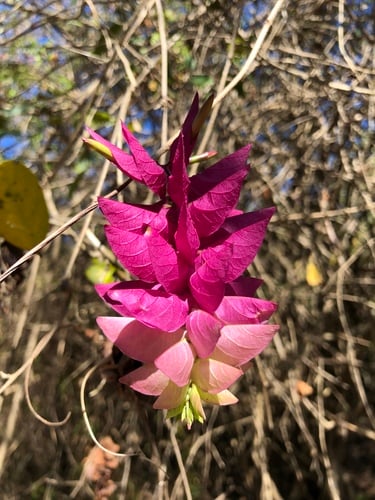
iNaturalist· cc-by-nc
(c) Liu JimFood, some rights reserved (CC BY-NC), uploaded by Liu JimFood
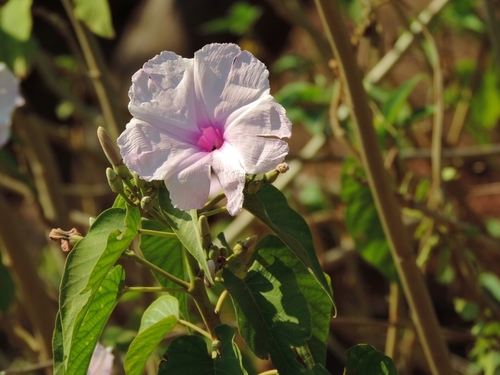
iNaturalist· cc-by-nc
(c) Martin Bennett, some rights reserved (CC BY-NC), uploaded by Martin Bennett
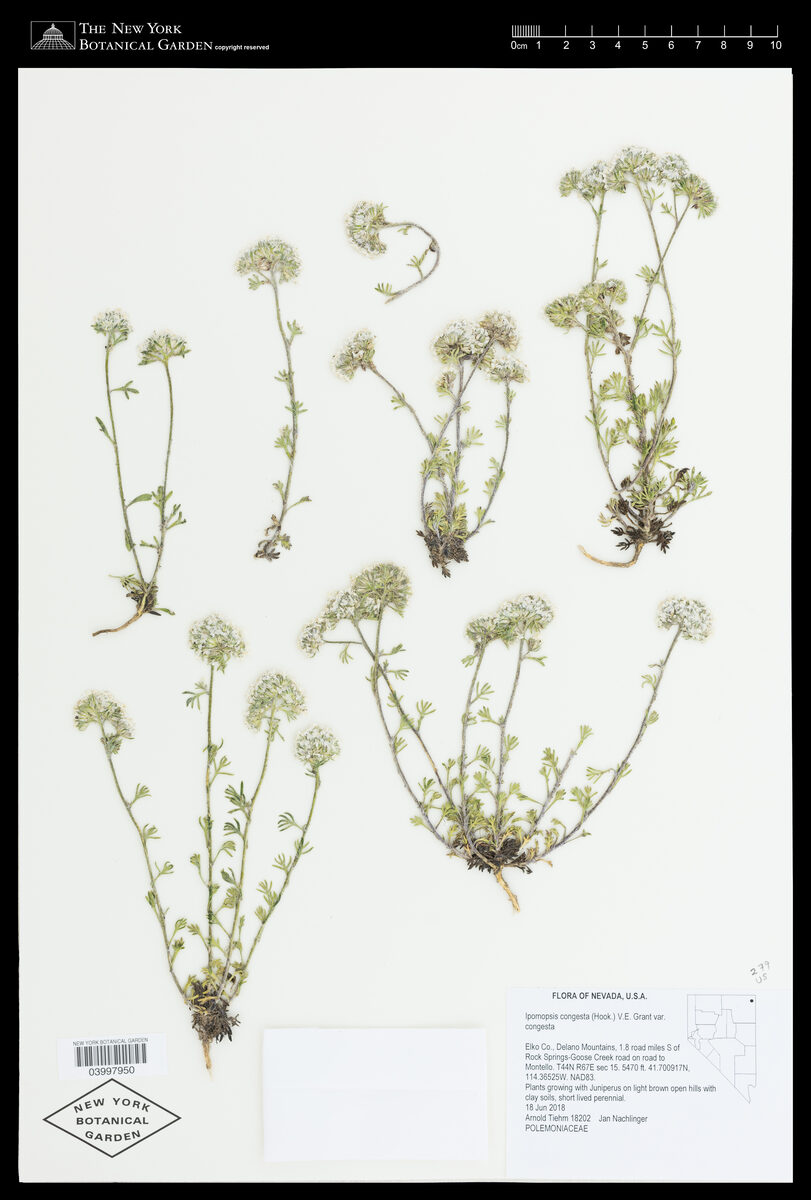
iNaturalist· cc-by
(c) Tatsutomo Chin, some rights reserved (CC BY), uploaded by Tatsutomo Chin
Summary
Source: WikipediaEvolvulus alsinoides, commonly known as dwarf morning glory and slender dwarf morning glory, is a flowering plant from the family Convolvulaceae. In Indian ayurveda, it is commonly known as Visnukranta or Shankhavel. It has a natural pantropical distribution encompassing tropical and warm-temperate regions of Australasia, Indomalaya, Polynesia, Sub-Saharan Africa and the Americas. It was first described in 1753 by Carl Linnaeus as Convolvulus alsinoides. In 1762, he transferred it to the new genus, Evolvulus.
Description
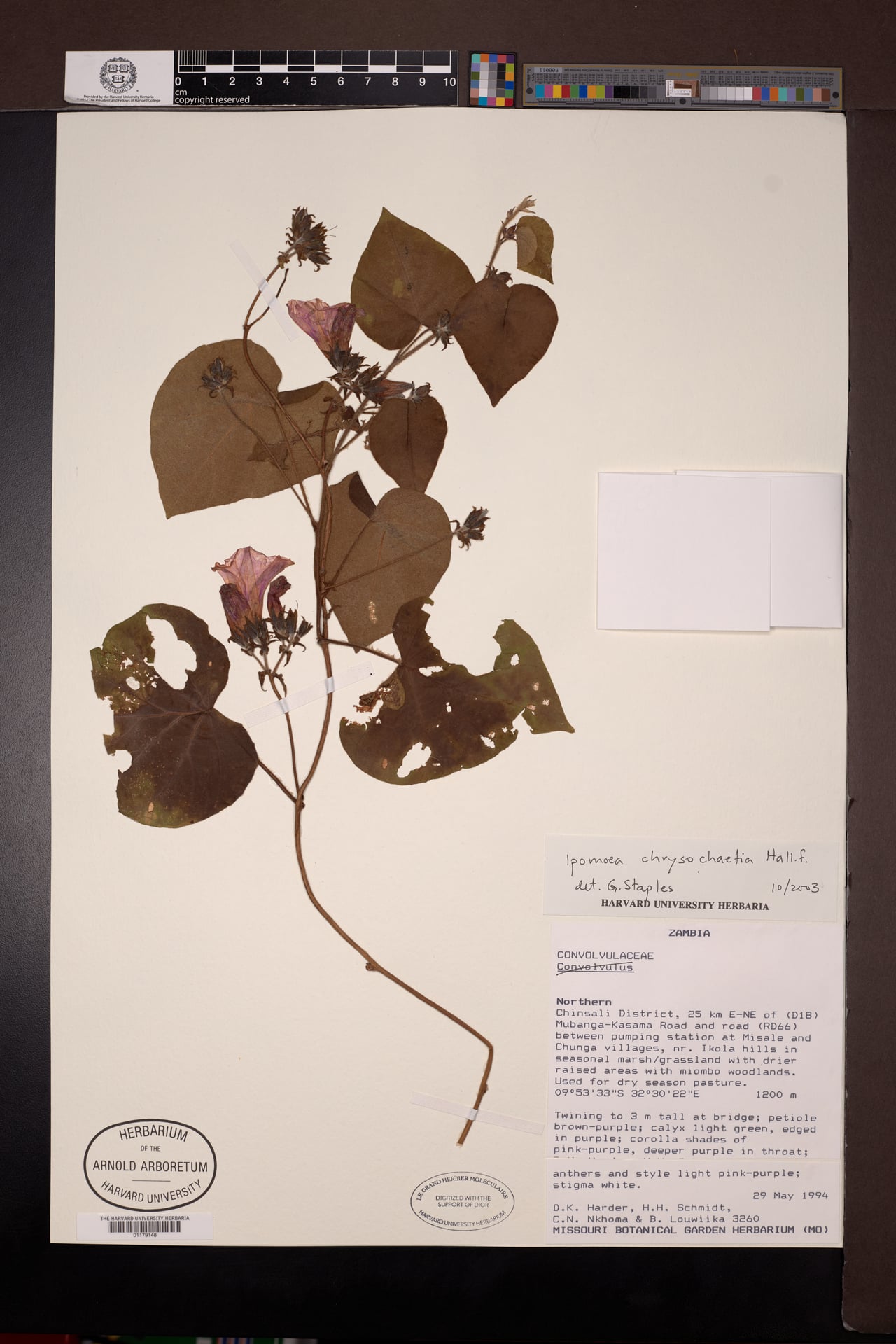
A small, weak sprawling herb. It grows 80 cm high. The leaves are alternate and narrow. They are hairy. The flowers are small and blue and shaped like a periwinkle. They occur singly in the axils of leaves. The fruit is a round capsule.
Edible Uses
The young leaves are cooked as a vegetable.
Traditional Uses
The young leaves are cooked as a vegetable.
This uses section is brief — help expand it
Medicinal Uses
In India it is used to alleviate nervous conditions and is used in medicine.
Distribution
It is a tropical plant. It grows in open forest amongst short grass. It suits open damp places. In Zimbabwe it grows up to 1,560 m above sea level. It can grow on coastal sands. In Sichuan and Yunnan.
Where It Grows
Africa, Asia, Australia, Bangladesh, Botswana, Burkina Faso, Cambodia, China, Dominican Republic, East Africa, Ethiopia, Guiana, Guianas, Guinea, Guinée, Guinea-Bissau, Guyana, Haiti, Hawaii, Himalayas, India, Indochina, Indonesia, Japan, Laos, Madagascar, Malawi, Malaysia, Maldives, Mozambique, Myanmar, Nepal, North America, Pacific, Pakistan, Rwanda, SE Asia, Southern Africa, South America, Suriname, Taiwan, Thailand, Tibet, Venezuela, Vietnam, West Africa, West Indies, West Timor, Zambia, Zimbabwe,
Cultivation
The plant germinates at the beginning of the rainy season, and starts flowering after 8 weeks.
Other Uses
The fragrant smoke from burning leaves is used to perfume houses. A water extract of the corolla inhibited spore germination and mycelial growth of the fungi Alternaria brassicae, Alternaria brassicicola and Fusarium oxysporum.
Notes
Possibly edible. It is used in India to alleviate nervous conditions. It is used in medicine.
Synonyms
Also Known As
Dhikkahui, Eriraio, Handrinamboa, Kalowa, Kyauk-hkwe-pin
References (9)
- Abbasi, A. M. et al, Wild Edible Vegetables of Lesser Himalayas: Ethnobotanical and Volume 1
- Belem, M., et al, 2017, Strategy of Conservation and Protection of Wild Edible Plants Diversity in Burkina Faso. ANADOLU 27 (2) 2017, 82- 90
- Fowler, D. G., 2007, Zambian Plants: Their Vernacular Names and Uses. Kew. p 21, 79
- Levitt, D., 1981, Plants and people. Aboriginal uses of plants on Groote Eylandt. Australian Institute of Aboriginal Studies, Canberra. p 89
- Melzer, R. & Plumb, J., 2011, Plants of Capricornia. Belgamba, Rockhampton. p 519
Show all 9 references Hide references
- Molla, A., Ethiopian Plant Names. http://www.ethiopic.com/aplants.htm
- Pickering, H., & Roe, E., 2009, Wild Flowers of the Victoria Falls Area. Helen Pickering, London. p 53
- Plants of Haiti Smithsonian Institute http://botany.si.edu/antilles/West Indies
- Sujanapal, P., & Sankaran, K. V., 2016, Common Plants of Maldives. FAO & Kerala FRI, p 129