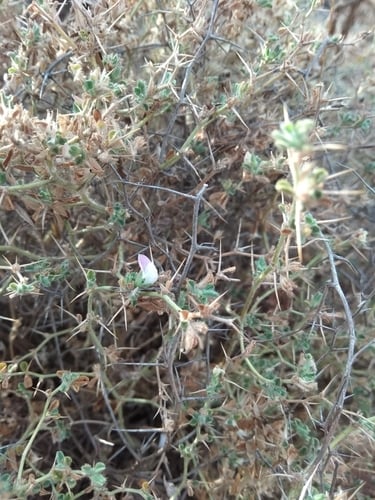
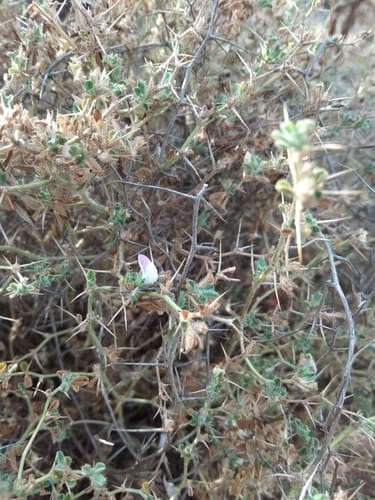
Acacia bussei
Harms ex B. Y. Sjostedt
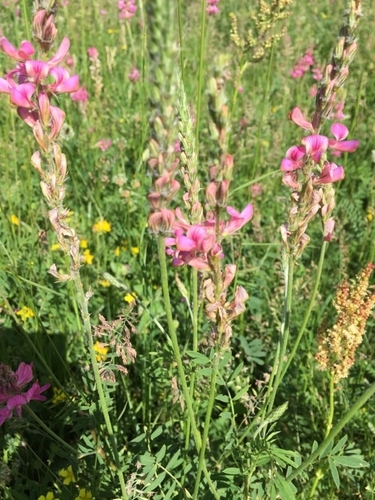
iNaturalist· cc-by-nc
(c) Leoš Smutný a Antonín Horáček, some rights reserved (CC BY-NC)
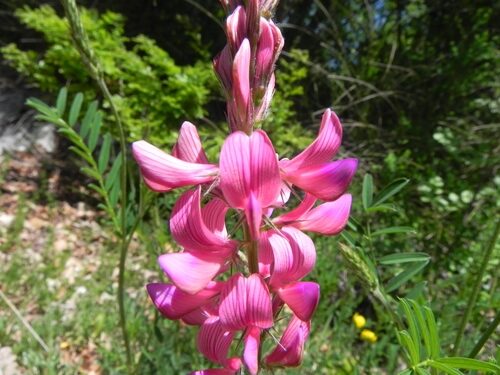
iNaturalist· cc-by-nc
(c) Leoš Smutný a Antonín Horáček, some rights reserved (CC BY-NC)
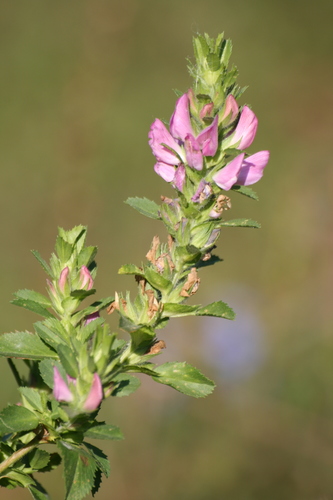
iNaturalist· cc-by-nc
(c) Franklin Charles Graham IV, some rights reserved (CC BY-NC)
Description
A shrub or small tree. It grows 5 m tall. There are prickles along the stem. The leaves are twice divided and there are 8-18 pairs of pinnae. There are up to 50 pairs of pinnules on each pinnae. The flowers are yellow. They are in large clusters at the ends of branches. The pods are flattened.
Edible Uses
The pods, leaves, and gum are edible, and the bark is boiled for tea.
Traditional Uses
The bark is boiled for tea.
This uses section is brief — help expand it
Distribution
It is a tropical plant. It can grow in arid zones. It grows in areas with a rainfall between 130-500 mm per year. In East Africa it grows between 300-1,800 m above sea level.
Where It Grows
Africa, East Africa, Ethiopia, Kenya, Somalia, Tanzania,
Notes
Also as Mimosaceae.
Synonyms
Also Known As
Galool, Qudhac
References (3)
- Grubben, G. J. H. and Denton, O. A. (eds), 2004, Plant Resources of Tropical Africa 2. Vegetables. PROTA, Wageningen, Netherlands. p 559
- Mahony, D., 1991, Trees of Somalia. A Field Guide for Development Workers. Oxfam Research Paper 3. p 11
- Omer, M., 2011, Diversity of Woody Species, Local Knowledge and Management Practices in Different Land Use Systems of Awbare Wereda, Jig-Jiga Zone of Somali Region, Ethiopia. M. Sc. these Addis Abba University p 47