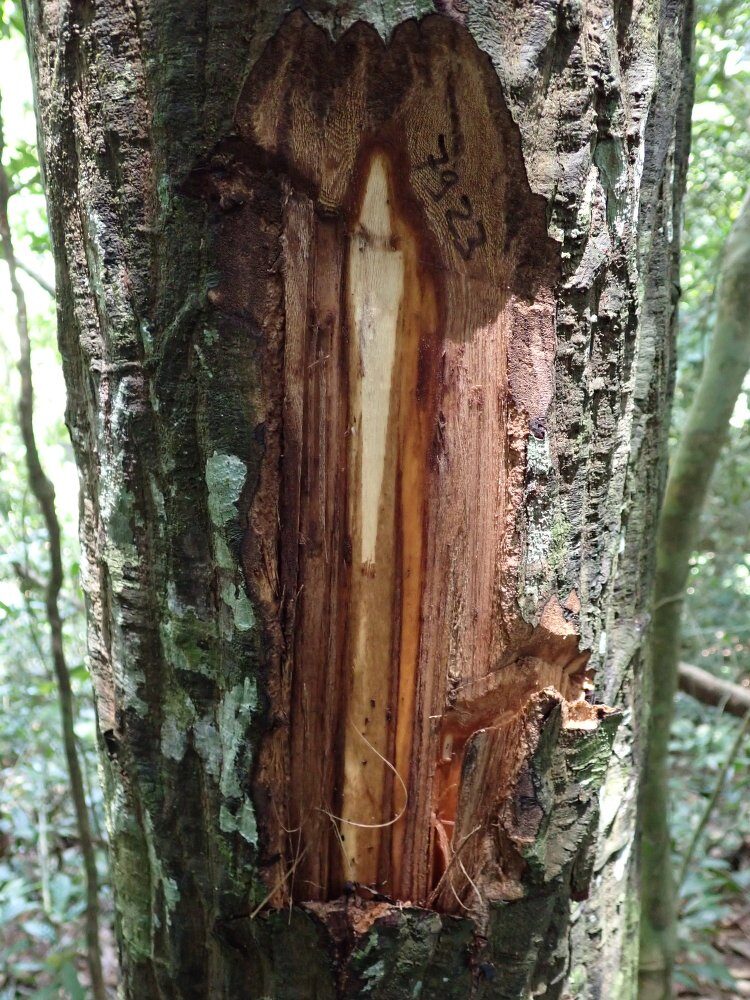
Polyalthia simiarum
(Ham. ex Hook.f. & Thwaites) Benth. & Hook. f.
iNaturalist· cc-by-nc
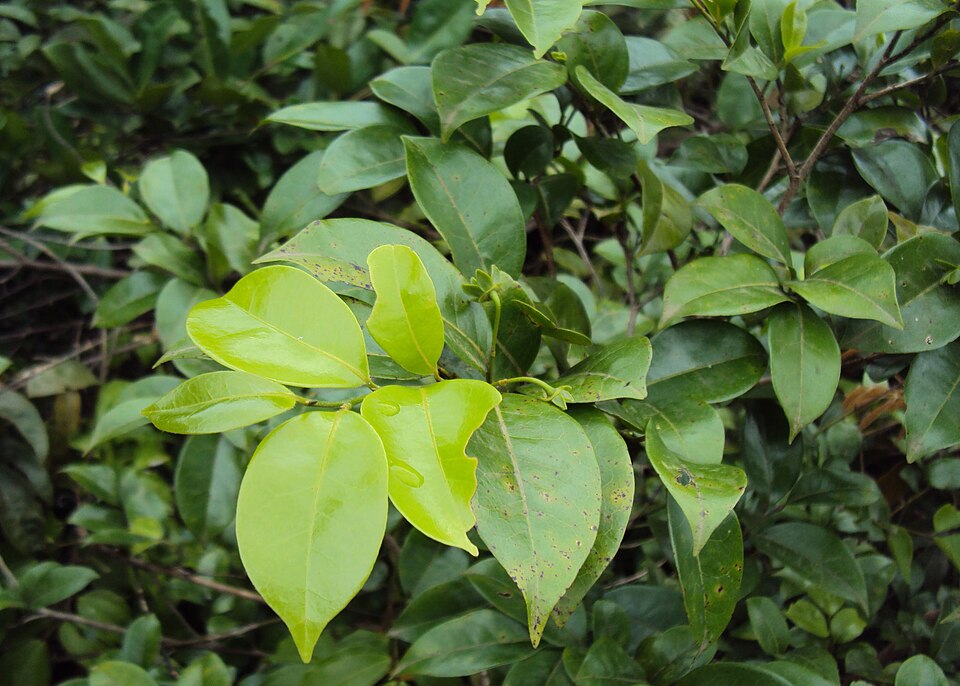
(c) Aparajita Datta, some rights reserved (CC BY-NC), uploaded by Aparajita Datta
iNaturalist· cc-by
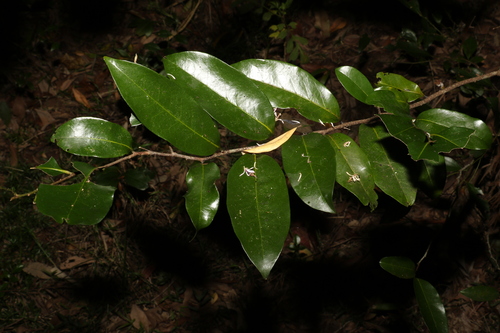
(c) Jyotsna Nag, some rights reserved (CC BY)
iNaturalist· cc-by
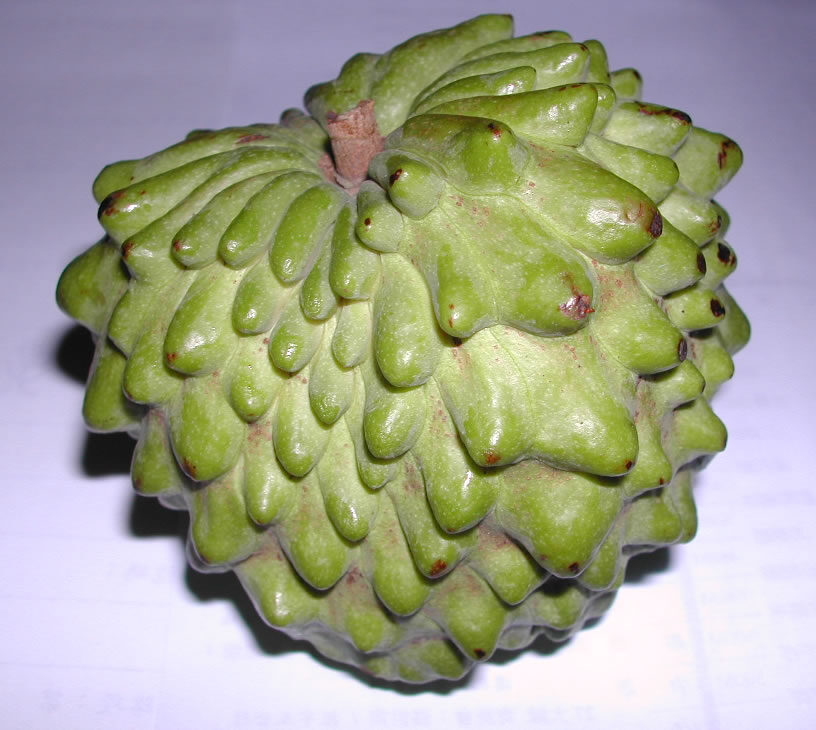
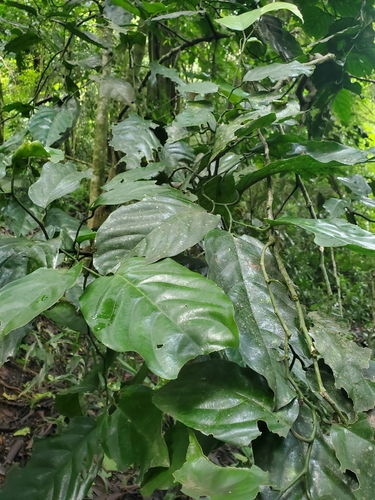
(c) Jyotsna Nag, some rights reserved (CC BY)
Description
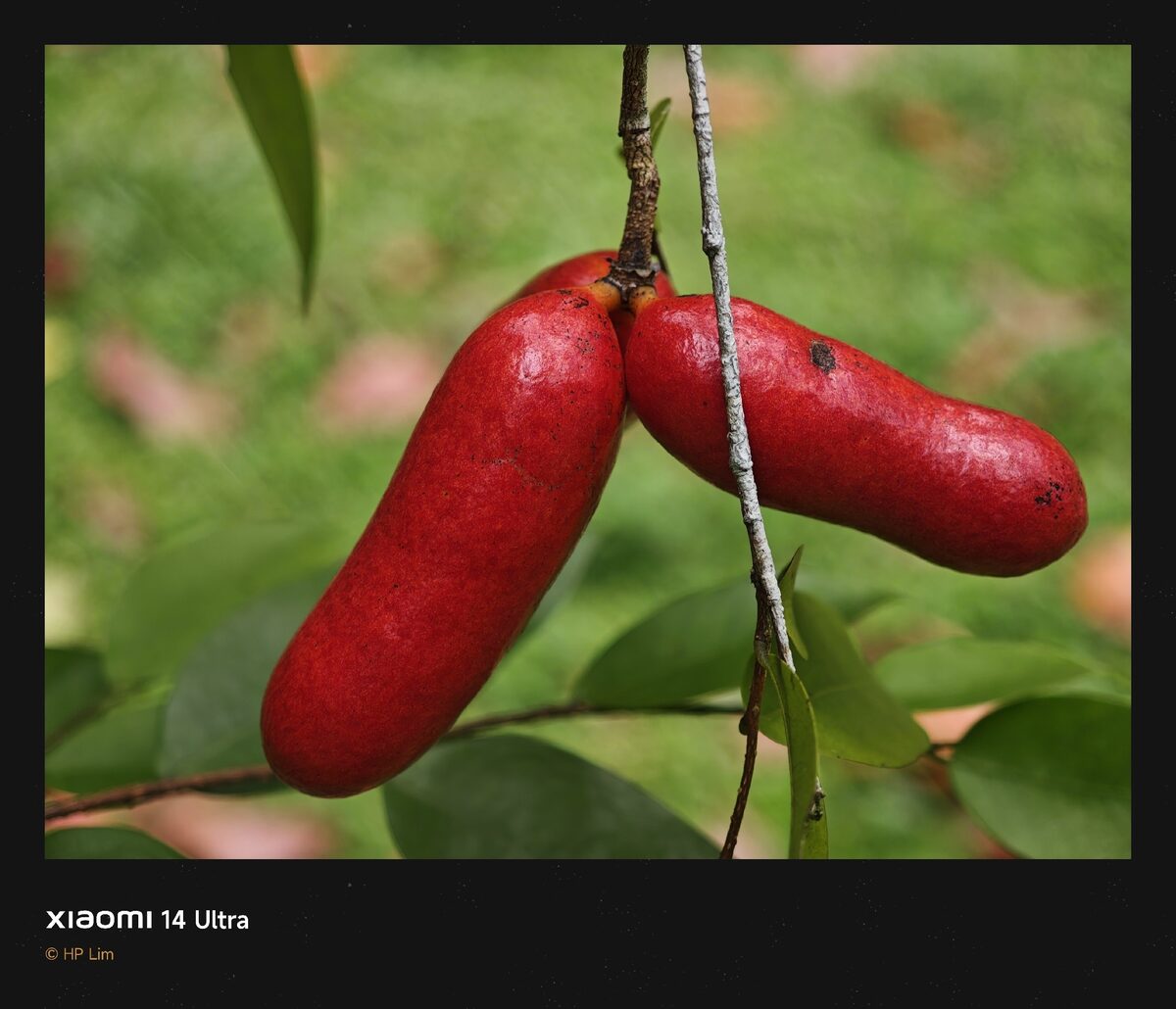
A tree. It grows 25 m tall. The branches are softly hairy when young. The leaf blade is oval to sword shaped and 9-28 cm long by 4-13 cm wide. They are papery. There are 13-20 side veins on each side of the main vein. The flowers are in the axils of leaves or on older branches. They are yellowish-green. The fruit are oval and 3 cm long by 1.5 cm wide. There is one seed per fruit. The fruit are orange red to black.
Edible Uses
The fruit is eaten.
Distribution
It is a tropical plant. It grows on forested slopes between 500-1,200 m above sea level in southern China. In Yunnan.
Where It Grows
Asia, Bhutan, Cambodia, China, Himalayas, India, Indochina, Laos, Myanmar, SE Asia, Thailand, Vietnam,
Production
In southern China plants flower April to September and fruit from July to December.
Synonyms
Also Known As
Bolang, Banchi bak, Borschi, Dieng jaroi, Jiri, Langaya, Taw-saga-sein, Taw-thabut, Thabut, Zathu
References (1)
- Anderson, E. F., 1993, Plants and people of the Golden Triangle. Dioscorides Press. p 218