Vasconcellea stipulata
(V. M. Badillo) V. Badillo
Chamburro
iNaturalist· cc-by
(c) Paúl Gonzáles, some rights reserved (CC BY), uploaded by Paúl Gonzáles
iNaturalist· cc-by
(c) Paúl Gonzáles, some rights reserved (CC BY)
Summary
Source: WikipediaVasconcellea stipulata, known also as toronche or jigacho, is a fruit-bearing species in the Vasconcellea genus, Caricaceae family. It is native to Ecuador and Peru. Babaco is a natural hybrid of V. stipulata and V. pubescens, although it has been suggested that other species may be involved.
Description
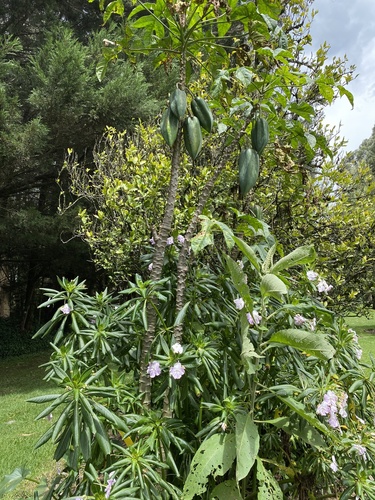
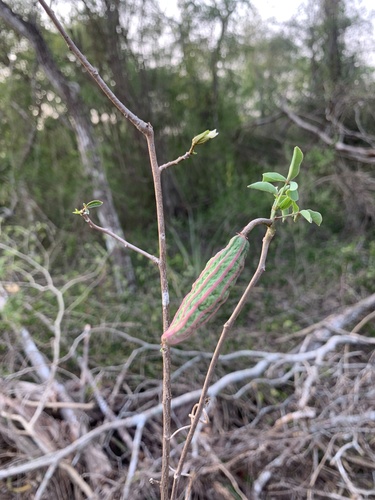
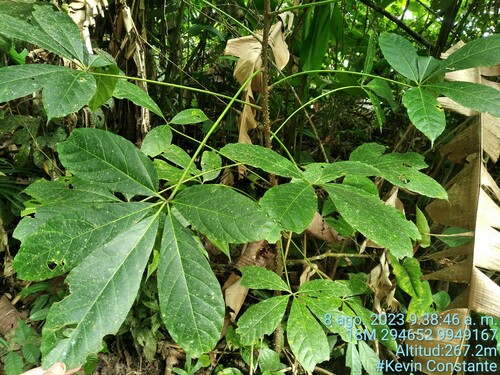
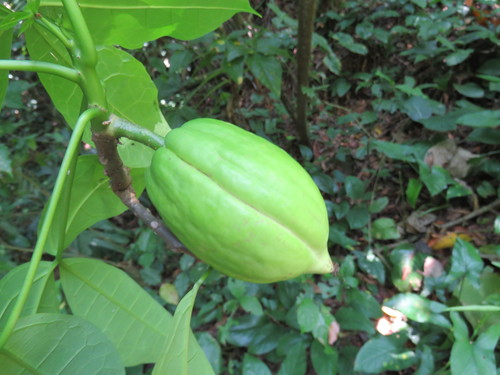
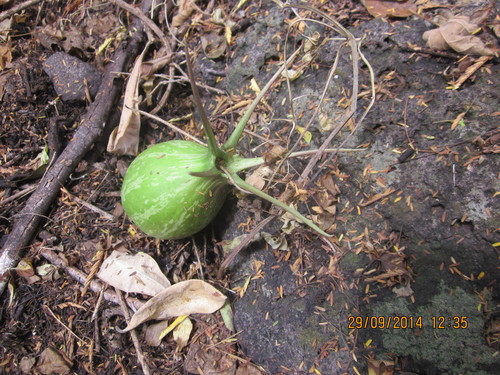
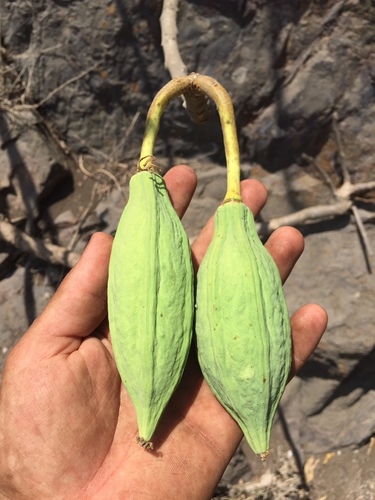
A tree. It grows 8 m tall. It can have spiny stems. The flowers are deep yellow. The fruit are 10 cm long. They have no ridges and a fairly smooth skin.
Edible Uses
It is the least commercially exploited species among those of economic importance in Ecuador. Its use is limited to domestic and small-scale cultivation, and its food uses are mainly confections and preserves.
Traditional Uses
If the fruit are sweet they are eaten raw. They can have a high papain content. Other fruit are preserved in sugar or made into jams, sauces or drinks. The fruit are normally peeled.
Distribution
It is a tropical plant. It is native to mid altitude zones in Ecuador. It grows between 1,600-2,500 m altitude. It suits hardiness zones 10-12.
Where It Grows
Andes, Central America, Ecuador, Peru, South America,
Cultivation
A tree of moderate elevations in the tropics, where it can be found from 1,600 - 2,500 metres. It could also, potentially, be grown in warm temperate and subtropical areas. A vigorous tree growing up to 2 - 3 metres tall in its first year and usually producing fruit in its second year of growth from seed. Plants can be productive for 20 years or more.
Propagation
Seed - sow in individual containers or in a nursery seedbed in light shade. Germination can be slow and difficult, taking about 30 days. Seedlings can be planted out when 4 - 6 months old.
Production
Plants have cropped reliably for 20 years. Fruit weigh about 40-150 g.
Notes
There are at least 22-40 species of Carica.
Synonyms
Also Known As
Jigacho de monte, Sigaton, Siglalon, Toronche
References (10)
- Castillo, R. O., 1995, Plant Genetic Resources in the Andes: Impact, Conservation, and Management. Crop Science 35:355-360 (As Carica)
- Etherington, K., & Imwold, D., (Eds), 2001, Botanica's Trees & Shrubs. The illustrated A-Z of over 8500 trees and shrubs. Random House, Australia. p 181
- Facciola, S., 1998, Cornucopia 2: a Source Book of Edible Plants. Kampong Publications, p 73
- Kermath, B. M., et al, 2014, Food Plants in the Americas: A survey of the domesticated, cultivated and wild plants used for Human food in North, Central and South America and the Caribbean. On line draft. p 902
- Kiple, K.F. & Ornelas, K.C., (eds), 2000, The Cambridge World History of Food. CUP p 1725
Show all 10 references Hide references
- Lyle, S., 2006, Discovering fruit and nuts. Land Links. p 104
- Revista Fac. Agron. (Maracay) 4(1):57, figs. 1-3. 1966
- Torre, de la, L., et al, 2008, Enciclopedia de las Plantas Útiles del Ecuador. Herbario QCA. Pontificia Universidad Católica del Ecuador. p 276
- Van den Eynden, V., et al, 2003, Wild Foods from South Ecuador. Economic Botany 57(4): 576-603
- van Wyk, B., 2005, Food Plants of the World. An illustrated guide. Timber press. p 118