Elaeocarpus hygrophilus
Kurz
iNaturalist· cc-by-nc
(c) SunGW, some rights reserved (CC BY-NC), uploaded by SunGW
iNaturalist· cc-by-nc
(c) SunGW, some rights reserved (CC BY-NC), uploaded by SunGW
iNaturalist· cc-by-nc
(c) SunGW, some rights reserved (CC BY-NC), uploaded by SunGW
Summary
Source: WikipediaElaeocarpus hygrophilus is a species of plant in the Elaeocarpaceae family. It is distributed in Southeast Asia. The tree is 10–25 metres (33–82 ft) tall. The fruits are olive-like. The pickled fruits are used as foods in some Southeast Asian countries like Thailand and Vietnam. In Thai, the fruit is known as makok nam (มะกอกน้ำ) and the English name of Thailand's capital, Bangkok, is said to derive from the village of Bang Makok, named after the fruit.
Description
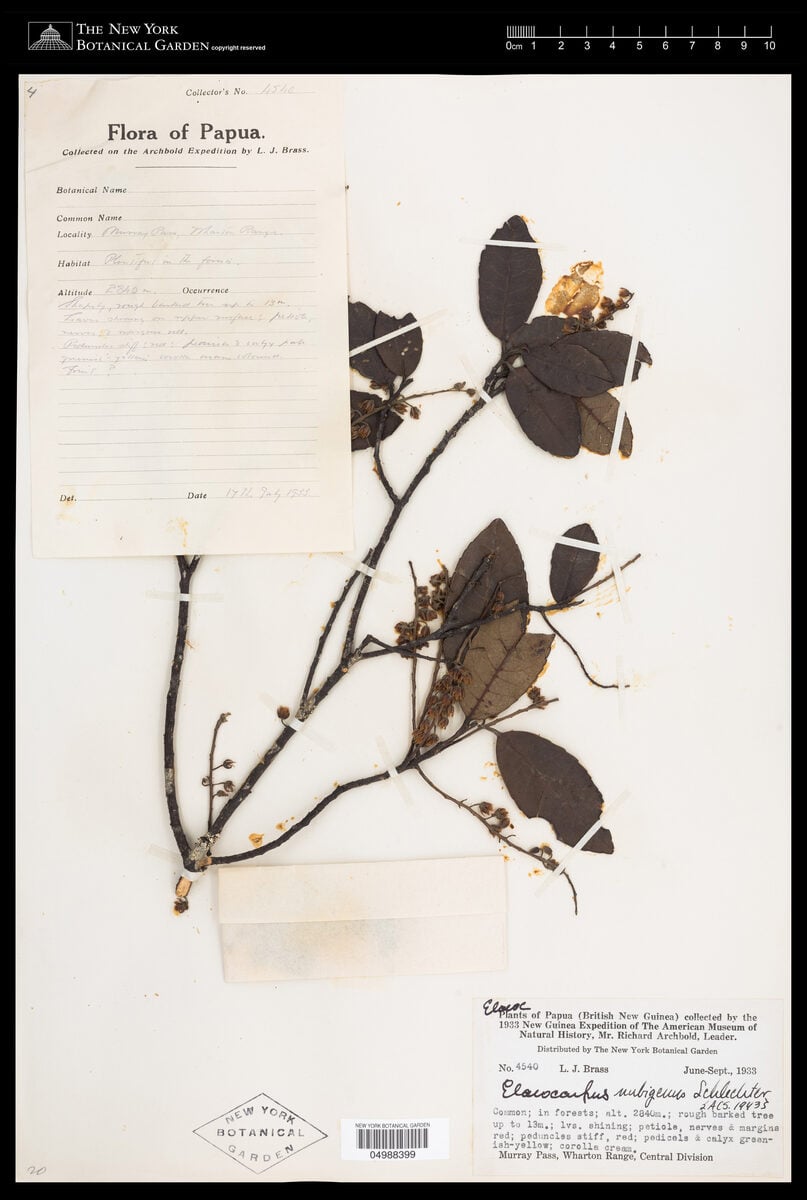
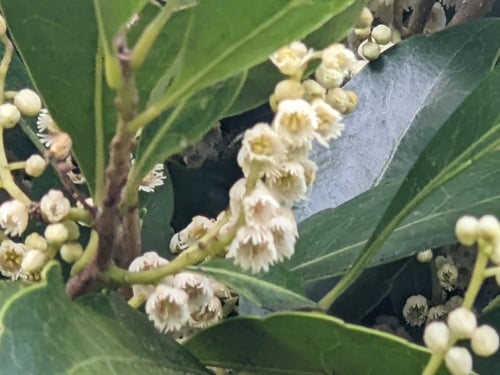
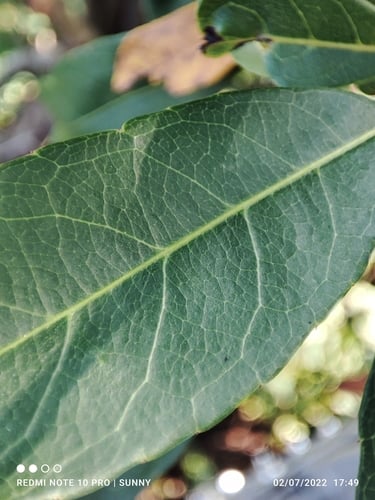
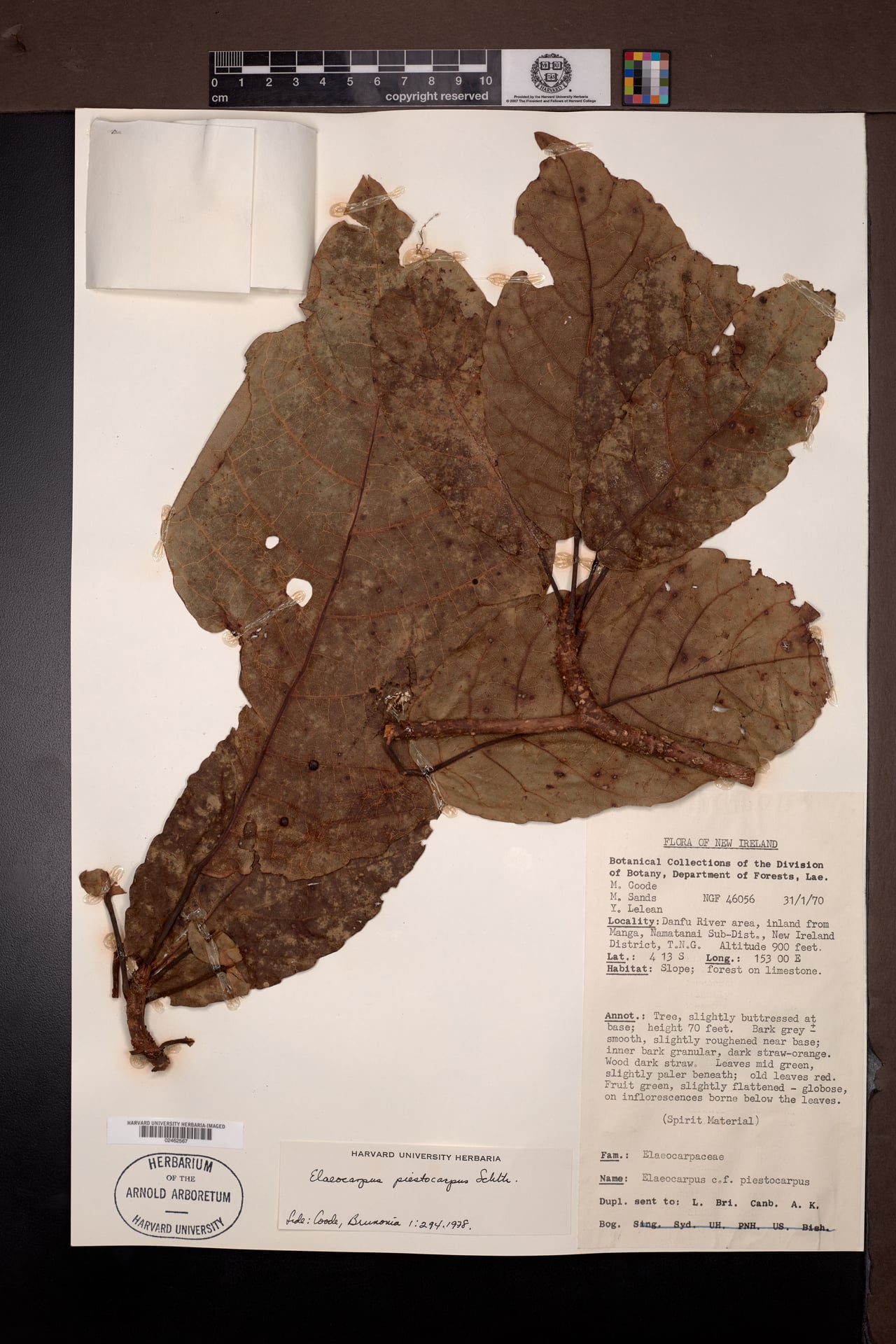
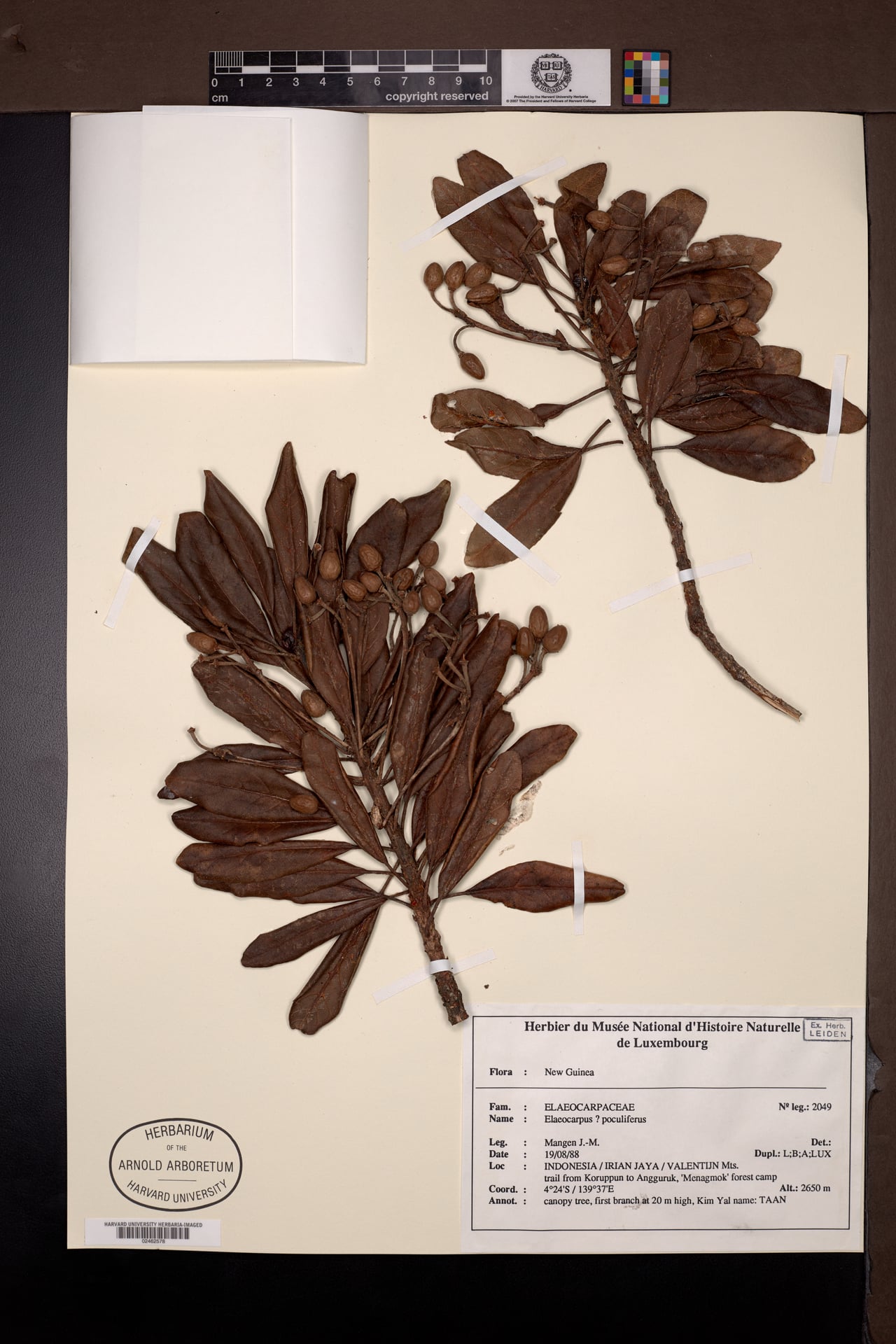
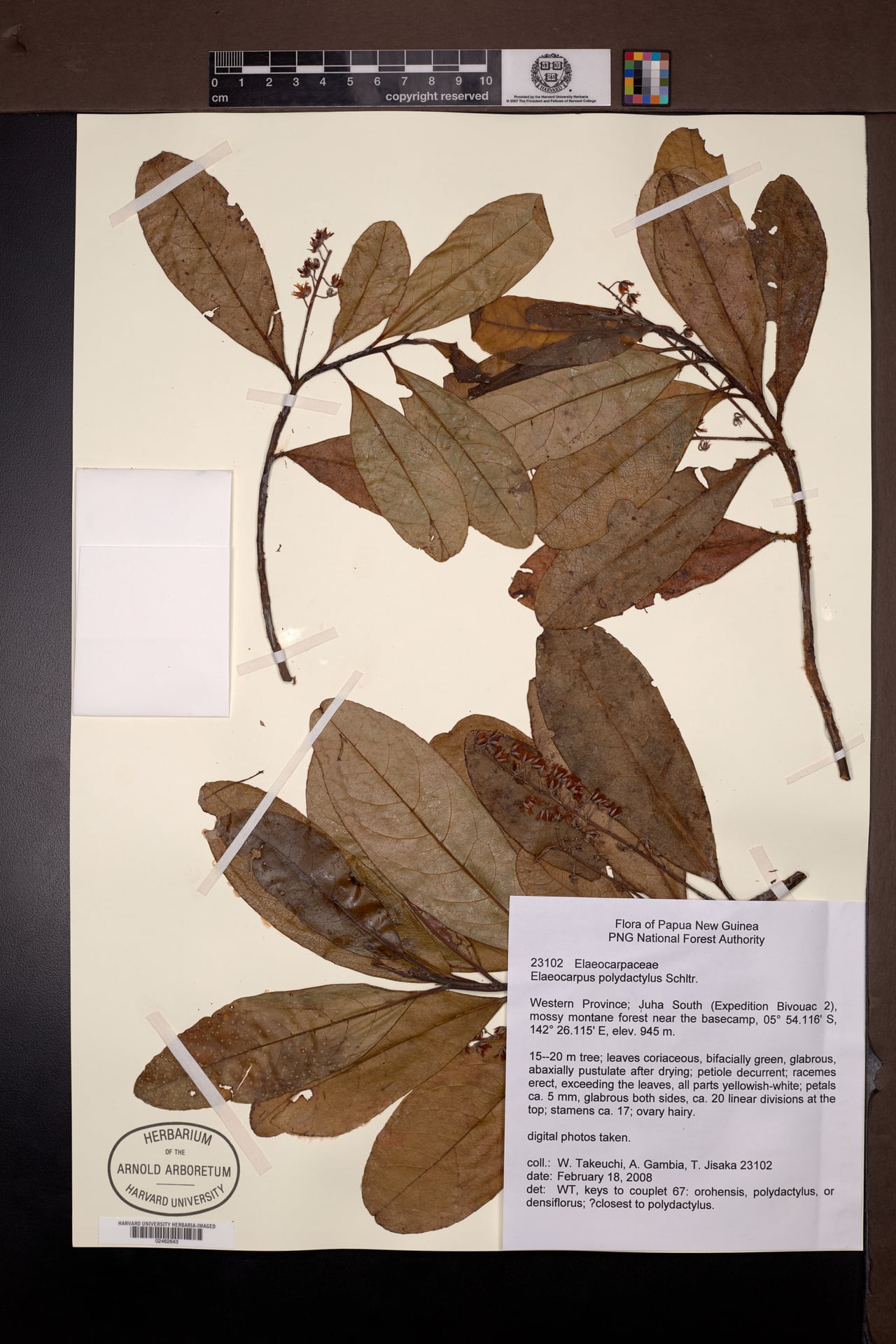
A shrub or small tree. It grows 3-13 m tall. The bark is pale creamy brown. It is smooth or shallowly cracked. The leaves are 5-12 cm long by 3-5 cm wide. They are broadly oval. There are shallow teeth. The leaf buds have silvery hairs. The flowers are in clusters 2-10 cm long. They are in the axils of the leaves. The fruit are 3-4 cm long and can be pointed. The stone is smooth.
Edible Uses
The ripe fruit are eaten fresh.
Traditional Uses
The ripe fruit are eaten.
This uses section is brief — help expand it
Distribution
It is a tropical plant.
Where It Grows
Asia, Cambodia, Indochina, Myanmar, Pacific, Philippines, SE Asia, Thailand, Vietnam,
Cultivation
We have no specific information for this species, but members of this genus generally grow well in full sun to moderate shade, requiring a fertile, moist but well-drained soil.
Propagation
The seed of most species in this genus is covered by a hard, woody shell and can be very slow and erratic to germinate, sometimes taking 2 years or more. Filing down the shell, or cracking it (being very careful not to damage the seed) in order to allow the ingress of moisture can help to greatly speed up germination. Sow the seed in containers in light shade. When the seedlings are large enough to handle, prick them out into individual pots and grow them on until large enough to plant out, Cuttings of almost ripe shoots, in a sandy soil in a frame. The leaves should be left on the stem.. Many species strike readily from cuttings.
Production
In NE Thailand fruit are available August to November.
Other Information
It is a cultivated fruit tree.
Synonyms
Also Known As
Cana, Chambak prang, Com, Com hao-am, Jahtung-banghri, Makok-nam, Romdeng
References (5)
- Burkill, I.H., 1966, A Dictionary of the Economic Products of the Malay Peninsula. Ministry of Agriculture and Cooperatives, Kuala Lumpur, Malaysia. Vol 1 (A-H) p 914 (As Elaeocarpus madopetalus)
- Coronel, R.E., 1982, Fruit Collections in the Philippines. IBPGR Newsletter p 9 (As Elaeocarpus madopetalus)
- Gardner, S., et al, 2000, A Field Guide to Forest Trees of Northern Thailand, Kobfai Publishing Project. p 96
- Suksri, S., et al, 2005, Ethnobotany in Bung Khong Long Non-Hunting Area, Northeast Thailand. Kasetsart J., (Nat. Sci) 39: 519-533
- World Checklist of Useful Plant Species 2020. Royal Botanic Gardens, Kew