Vasconcellea monoica
(Desf.) A. DC
Orange papaya, Dwarf Peruvian cooking papaya
iNaturalist· cc-by-nc
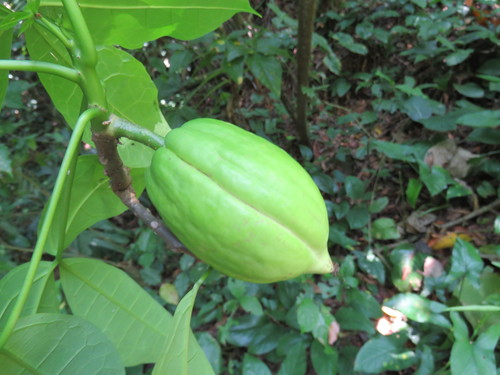
(c) danielabk, some rights reserved (CC BY-NC)
iNaturalist· cc-by-nc-sa
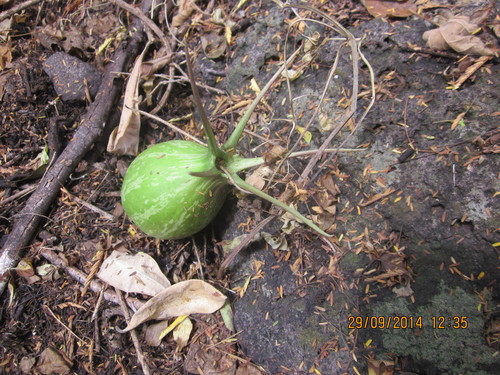
(c) c michael hogan, some rights reserved (CC BY-NC-SA)
iNaturalist· cc-by-nc
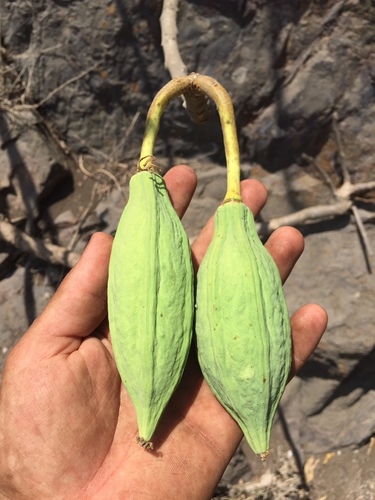
(c) Jon Aull, some rights reserved (CC BY-NC)
Summary
Source: WikipediaVasconcellea monoica (commonly known as col de montaña, col de monte, or peladera in Spanish) is a species of flowering plant in the family Caricaceae. It is native to Bolivia, Ecuador, and Peru. The plant has a chromosome count of 2n = 18. It was previously placed in genus Carica.
Description
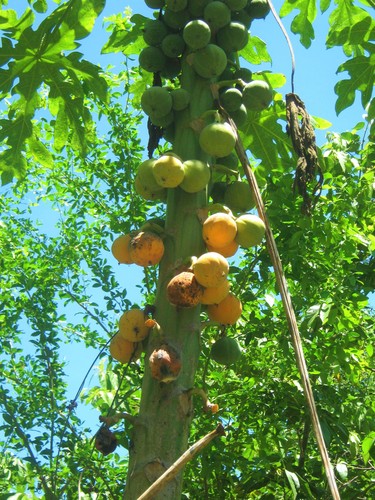
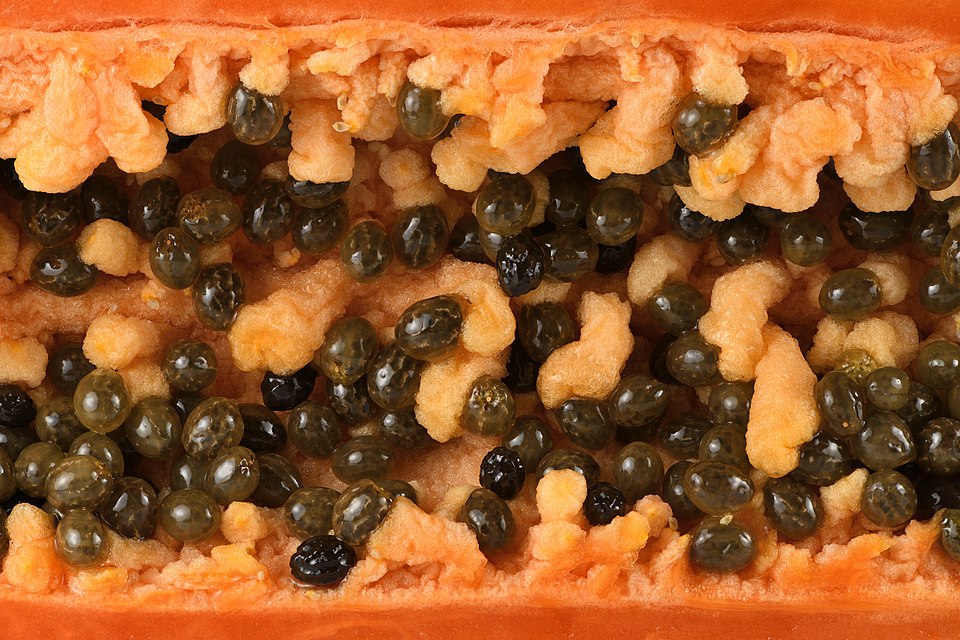
A shrub with a single trunk. This is ringed with leaf scars. It grows 3 m tall. The leaves are 60 cm across. The leaf stalk is 90 cm long. The fruit are small. The fruit turn orange at maturity. The flesh in pink. The seeds are black.
Edible Uses
Fruit. Insipid, when eaten raw they are usually combined with other fruits. Generally eaten cooked with lemon and sugar, when they are said to resemble stewed apricots. The flesh is somewhat tough - it is excellent for dried or candied fruit and also freezes well. The small to very small fruits have a high level of papain. The fruits can be up to 6cm in diameter. Young seedlings and mature leaves - cooked. Used like cabbage.
Distribution
A tropical and subtropical plant. In the Andes it grows between 600-1,700 m above sea level. It suits hardiness zones 11-12.
Where It Grows
Andes, Asia, Australia, Bolivia, Brazil, Colombia, Ecuador, Mexico, Pacific, Peru, Philippines, SE Asia, South America,
Cultivation
A plant of the moist tropics, where it is found at elevations from about 500 - 2,000 metres. It grows best in areas with high rainfall and mild temperatures. Although small, the plant grows vigorously and commences fruiting when young. The plant is self-fertile, producing fruits even when one plant is grown on its own. The plant hybridizes easily with V. Pubescens, often yielding hybrids that bear fruit of a good flavour. The plant is used in hybridization programmes with other members of the genus.
Propagation
Seed - sow in individual containers or in a nursery seedbed in light shade. Germination can be slow and difficult, taking about 30 days. Seedlings can be planted out when 4 - 6 months old.
Other Information
It is cultivated.
Notes
There are at least 22-40 species of Carica.
Synonyms
Also Known As
Babaco-mirim, Babaquinho, Berenjena, Chamburo, Col de montana, Peladera, Rola quimba, Toronche, Tsampu, Yumbo papaya
References (15)
- Ann. Mus. Natl. Hist. Nat. 1:273, t. 18. 1802
- Castillo, R. O., 1995, Plant Genetic Resources in the Andes: Impact, Conservation, and Management. Crop Science 35:355-360 (As Carica)
- Coronel, R.E., 1982, Fruit Collections in the Philippines. IBPGR Newsletter p 9
- Cundall, P., (ed.), 2004, Gardening Australia: flora: the gardener's bible. ABC Books. p 330
- Facciola, S., 1998, Cornucopia 2: a Source Book of Edible Plants. Kampong Publications, p 73 (As Carica monoica)
Show all 15 references Hide references
- Hermandez Bermejo, J.E., and Leon, J. (Eds.), 1994, Neglected Crops. 1492 from a different perspective. FAO Plant Production and Protection Series No 26. FAO, Rome. p18
- Hibbert, M., 2002, The Aussie Plant Finder 2002, Florilegium. p 60
- Kermath, B. M., et al, 2014, Food Plants in the Americas: A survey of the domesticated, cultivated and wild plants used for Human food in North, Central and South America and the Caribbean. On line draft. p 902
- Recher, P, 2001, Fruit Spirit Botanical Gardens Plant Index. www.nrg.com.au/~recher/ seedlist.html p 1 (As Carica monoica)
- Segura, S., et al, 2018, The edible fruit species in Mexico. Genet Resour Crop Evol (2018) 65:1767–1793
- Storey, W. B., 1979, Pineapple, in Simmonds N.W.,(ed), Crop Plant Evolution. Longmans. London. p 21
- Torre, de la, L., et al, 2008, Enciclopedia de las Plantas Útiles del Ecuador. Herbario QCA. Pontificia Universidad Católica del Ecuador. p 276
- Van den Eynden, V., et al, 2003, Wild Foods from South Ecuador. Economic Botany 57(4): 576-603
- van Wyk, B., 2005, Food Plants of the World. An illustrated guide. Timber press. p 118
- www.colecionandofrutas.org