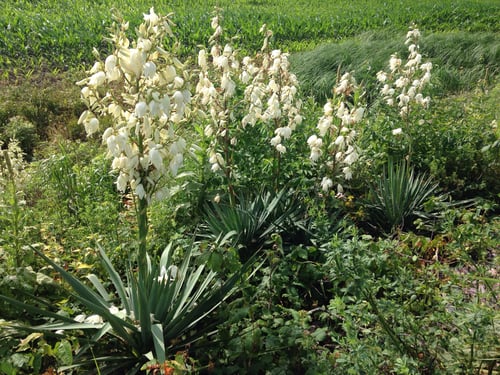
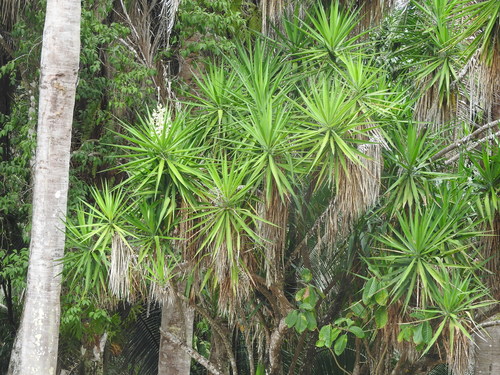
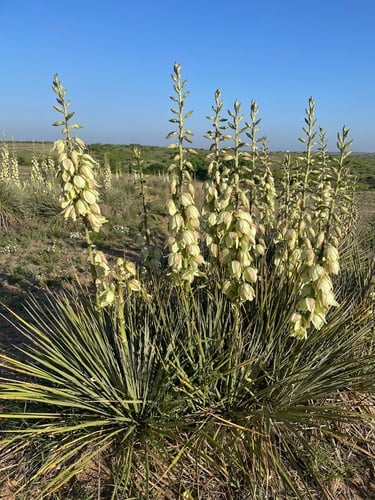
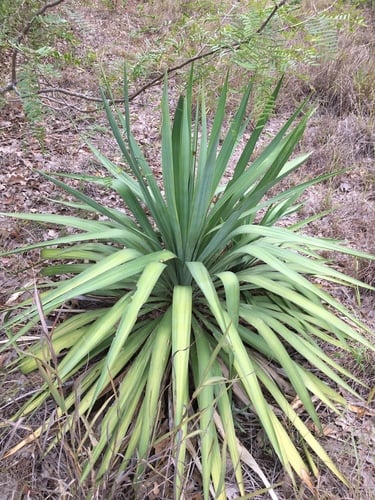
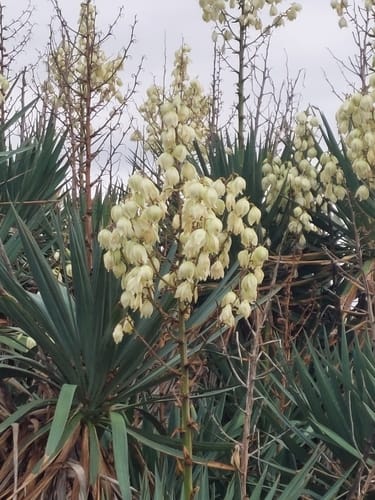
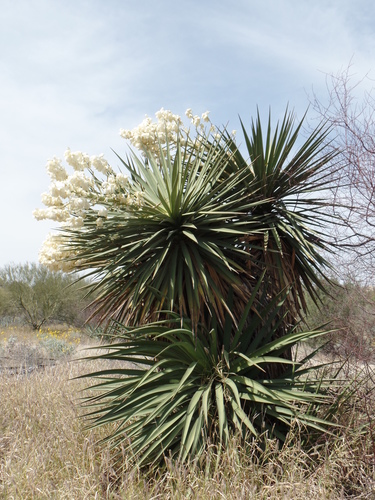
Agave murpheyi
Gibson
Murphy's agave
iNaturalist· cc-by-nc
(c) Bryce Cowan, some rights reserved (CC BY-NC), uploaded by Bryce Cowan
iNaturalist· cc-by-nc-sa
(c) c michael hogan, some rights reserved (CC BY-NC-SA), uploaded by c michael hogan
iNaturalist· cc-by-nc
(c) Steve Jones, some rights reserved (CC BY-NC), uploaded by Steve Jones
Summary
Source: WikipediaAgave murpheyi is a species of agave. It is a succulent plant that is found growing only at a few dozen archaeological sites of the ancient Hohokam Indians in southern Arizona and northern Sonora, Mexico. In 1935, there were reported half a dozen sites and in 1970 only two were known. It appears to be a cultivar grown by the Hohokam for food and fiber. Its common names include Hohokam agave, Murphey agave, and Murphey's century plant.
Description
Agave murpheyi is a slow-growing evergreen perennial reaching 1 m tall and wide. Hardy to UK zone 7, it thrives in light sandy, medium loamy, or heavy clay soils that are well-drained, and tolerates poor soil fertility. Suitable for mildly acidic, neutral, or mildly alkaline pH. Requires full sun and can grow in dry or moist conditions. Tolerates maritime exposure.
Edible Uses
Agave murpheyi was cultivated by the Hohokam and possibly other Native Americans for both food and fibre. The basal rosette — the edible heart or growing tip — was harvested just before the plant sent up a flower stalk, when sugar concentration in the rosette is at its highest. Rosettes weighing approximately 4 kg were cooked for two to three days in a pit filled with hot stones and covered with hot coals and dirt. The baked rosette is comparable in taste to a sweet potato, though it contains inedible fibre, and is nutritious at 347 calories and 3.5 grams of protein per 100 grams.
Medicinal Uses
None known.
Known Hazards
Sharp Leaves
Distribution
It is a temperate plant.
Where It Grows
North America, USA,
Cultivation
Historic Crop Management: Standard Staple Crop: Basic Starch. Climate: warm temperate, tropical highlands. Humidity: arid to semi-arid. Grow it in porous soil with adequate drainage. It should be grown in full sun. The leaves will keep their blue-gray colour and the plants will stay more compact. Water thoroughly when soil is dry to the touch, with supplemental water during hottest part of year. In winter watering this plant can be done once every 1-2 months, there is no need to mist the leaves. It is a cold hardy species. Agave murpheyi grows at elevations from 400 to 900 meters. Agave was cultivated by the Hohokam Indians in southern Arizona and northern Sonora, Mexico in rocky areas above the floodplain of the Santa Cruz river where more water-dependent crops were grown. The Hohokam planted agave in rockpiles about 5 ft (1.5 m) across and 2 ft (0.61 m) high. The pile of rocks around the base of the agave plant act as a mulch to help preserve moisture and prevent rodent predation. Hardy to at least -12° C. Carbon Farming Solutions - Cultivation: historic crop. Management: standard (Describes the non-destructive management systems that are used in cultivation).
Propagation
Propagation from offshoots is the fastest and most reliable method of production. Agave murpheyi is difficult to grow from seed — seeds germinate readily but seedling establishment is rare. Germination percentages decrease at temperatures exceeding 95°F (35°C).
Other Uses
Suitable as a potted plant and an excellent garden landscape and accent plant.
Other Information
It has been a major source of food.
Notes
It is a rare plant.
Synonyms
Also Known As
Hohokam Agave, Murphey Agave, Murphey’s Century Plant, Spanish (Español): Maguey Bandeado, Maguey
References (4)
- Desert Survivors Online Plant Database
- Huntington Botanical Gardens sign
- Tozer, F., 2007, The Uses of Wild Plants. Green Man Publishing. p 21
- World Checklist of Useful Plant Species 2020. Royal Botanic Gardens, Kew