Chloris virgata
Sw.
Feather top finger grass
iNaturalist· cc-by-sa
(c) Matt Lavin, some rights reserved (CC BY-SA)
iNaturalist· cc-by-nc
(c) abelkinser, some rights reserved (CC BY-NC)
iNaturalist· cc0
no rights reserved, uploaded by Riana Fourie
Summary
Source: WikipediaChloris virgata is a species of grass known by the common names feather fingergrass feathery Rhodes-grass and feather windmill grass.
Description
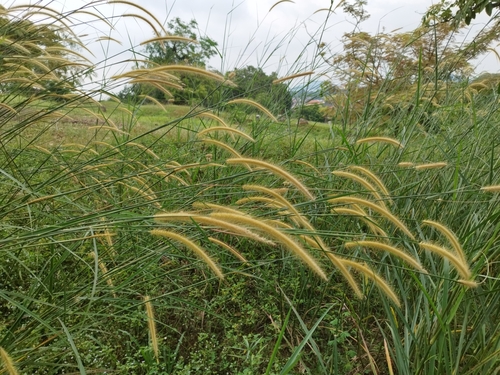
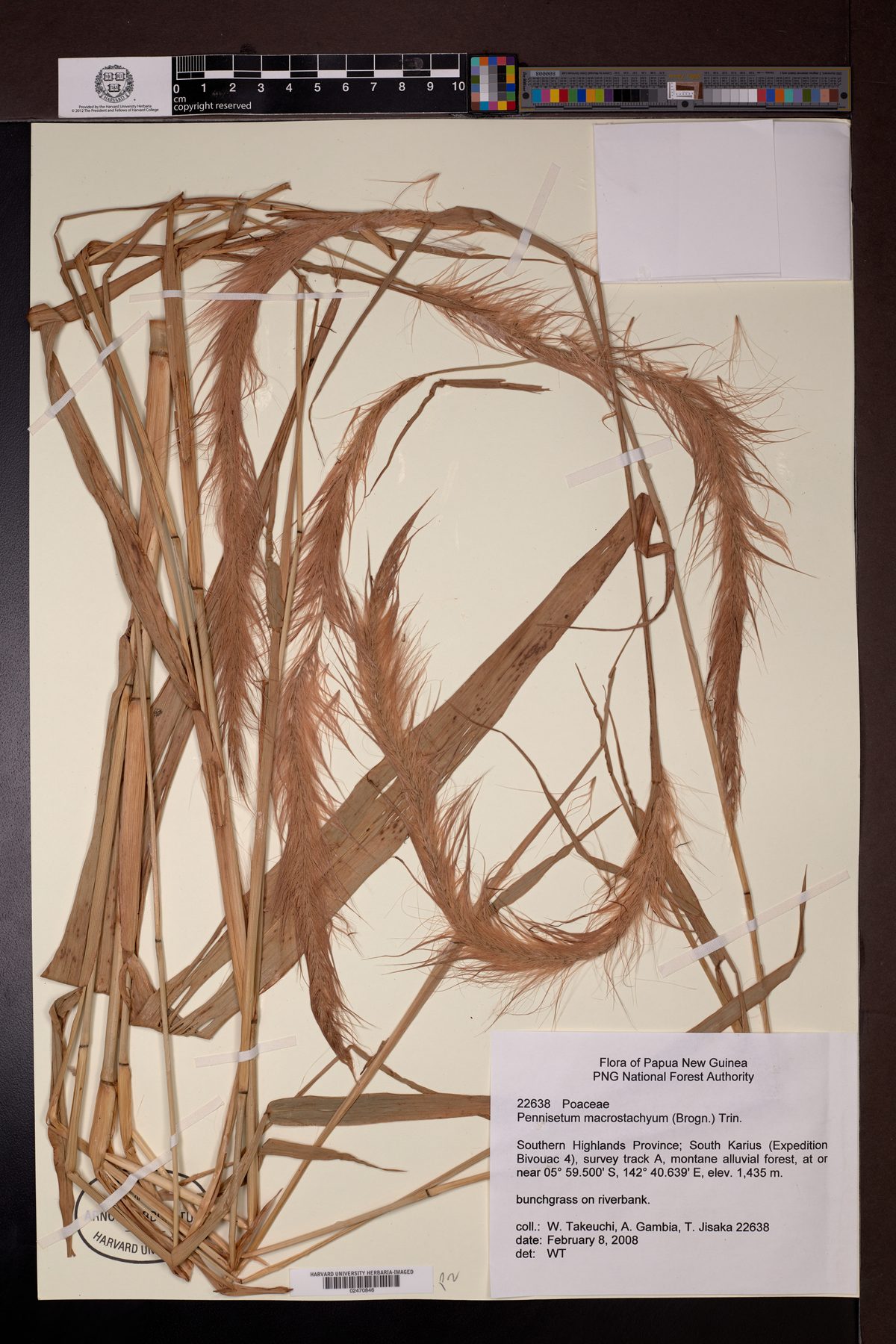
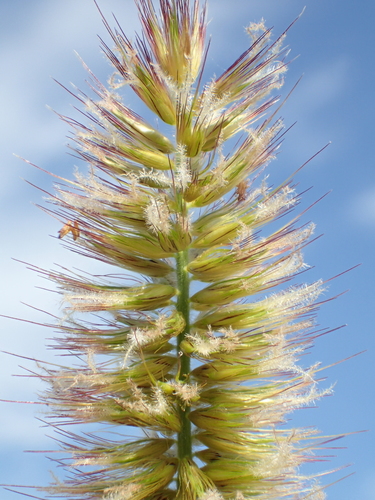
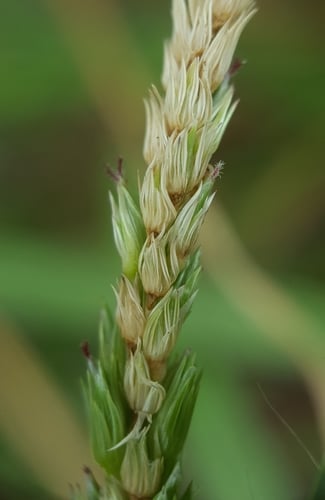
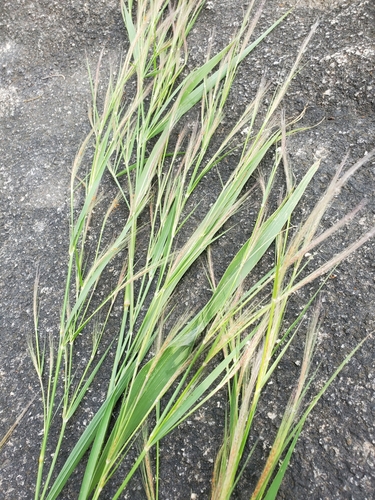
A grass plant. It forms tussocks. It can be an annual plant of keep growing from year to year with rhizomes or underground stems. It grows up to about 1 m high. The leaf blades are 12 cm long and 7 mm wide. It is blue-green.
Edible Uses
The seeds are harvested and used as a cereal.
Distribution
It is a subtropical plant. It grows in hot arid places. It grows in areas where the annual rainfall is below 600 mm. It can grow in salty and poorly drained soils. It grows between 3-3,500 m above sea level. It can grow in arid places.
Where It Grows
Afghanistan, Africa, Angola, Argentina, Asia, Australia, Bahrain, Bhutan, Bolivia, Botswana, Brazil, Burkina Faso, Canary Islands, Caribbean, Central Africa, Central America, China, Congo, Dominican Republic, East Africa, Ecuador, Egypt, El Salvador, Eswatini, Guatemala, Hawaii, Himalayas, Honduras, India, Kenya, Korea, Lesotho, Malawi, Mali, Mauritania, Mexico, Middle East, Mongolia, Mozambique, Myanmar, Namibia, Nepal, Netherlands Antilles, Nicaragua, Niger, Nigeria, North Africa, North America, Oman, Pacific, Pakistan, Panama, Papua New Guinea, PNG, Paraguay, Peru, Philippines, Qatar, Sahel, Saudi Arabia, SE Asia, Senegal, Seychelles, Socotra, Somalia, South Africa, Southern Africa, South America, St Helena, Sudan, Swaziland, Tanzania, Tibet, Uganda, USA, Venezuela, West Africa, West Indies, Yemen, Zambia, Zimbabwe,
Notes
It has a C4 pathway.
Synonyms
Also Known As
Chinki, Namanre, Nanube, Rabatule, Xarfo
References (2)
- Royal Botanic Gardens, Kew (1999). Survey of Economic Plants for Arid and Semi-Arid Lands (SEPASAL) database. Published on the Internet; http://www.rbgkew.org.uk/ceb/sepasal/internet [Accessed 8th May 2011]
- World Checklist of Useful Plant Species 2020. Royal Botanic Gardens, Kew