Acacia montis-usti
Merxm. & A. Schreib.
Brandberg acacia
iNaturalist· cc0
no rights reserved
iNaturalist· cc-by-nc
(c) Elke Entenmann, some rights reserved (CC BY-NC)
iNaturalist· cc-by-nc
(c) Elke Entenmann, some rights reserved (CC BY-NC)
Description
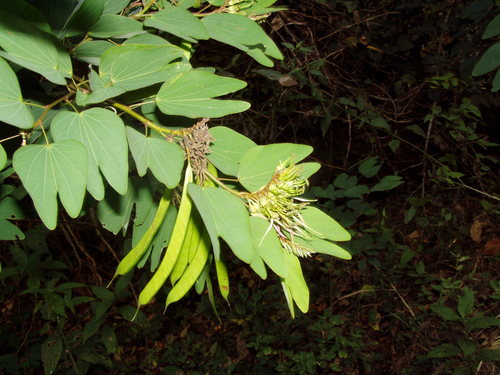
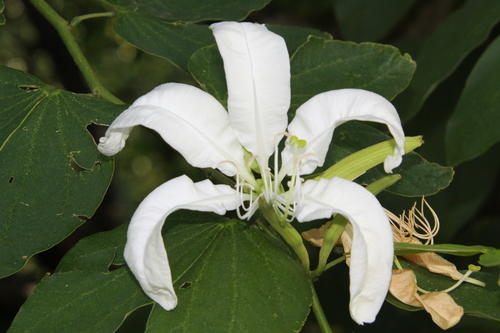
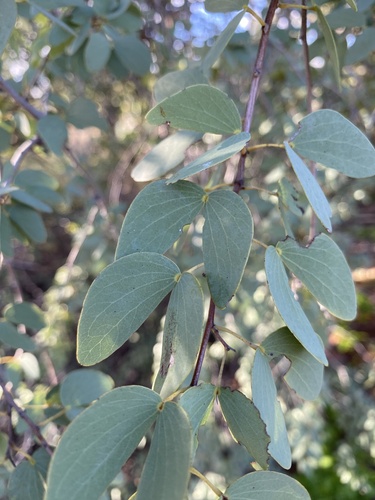
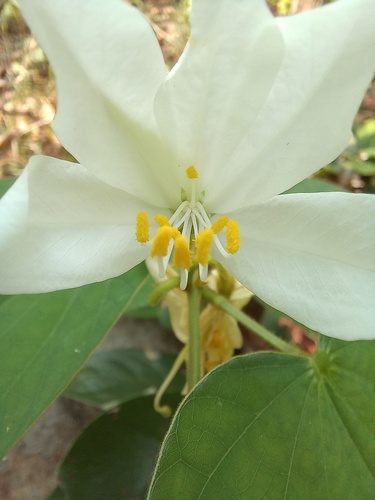
A shrub or small tree. It grows 5 m tall. There are prickles along the stem. The leaves are twice divided and there are 8-18 pairs of pinnae. There are up to 50 pairs of pinnules on each pinnae. The flowers are yellow. They are in large clusters at the ends of branches. The pods are flattened.
Edible Uses
The seeds are roasted and eaten. The bark is used to assist in fermenting beer and can be made into a drink.
Traditional Uses
The seeds are roasted and eaten. The bark is used to assist in the fermenting of beer.
This uses section is brief — help expand it
Medicinal Uses
The bark is traditionally used to assist in the fermentation of beer.
Distribution
It is a subtropical plant. It grows in areas with an annual rainfall below 200 mm. It grows in well drained shallow stony soil. The soil can be alkaline. It grows between 600-1,600 m above sea level. It is resistant to wind and can tolerate drought. It can grow in arid places.
Where It Grows
Africa, Namibia, Southern Africa,
Cultivation
It can be cut back and will re-grow.
Notes
Also as Mimosaceae.
Also Known As
Okangondo, Sai
References (1)
- Royal Botanic Gardens, Kew (1999). Survey of Economic Plants for Arid and Semi-Arid Lands (SEPASAL) database. Published on the Internet; http://www.rbgkew.org.uk/ceb/sepasal/internet [Accessed 26th April 2011]