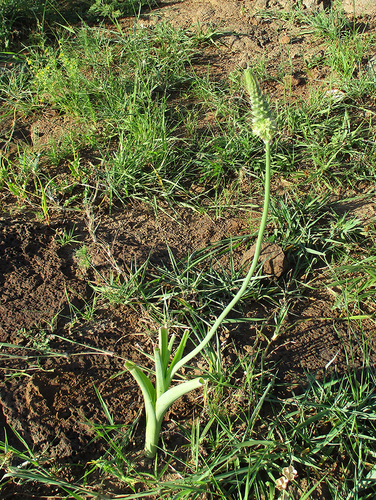
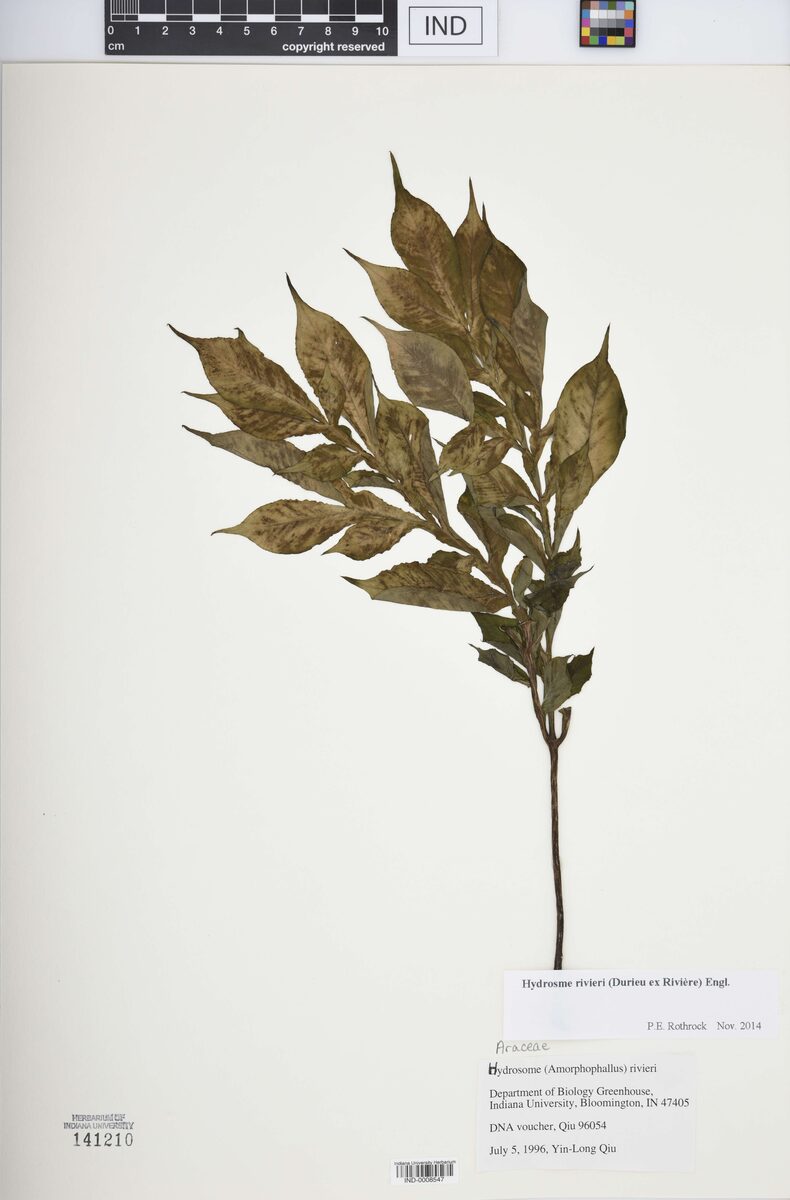
Dipcadi crispum
Baker
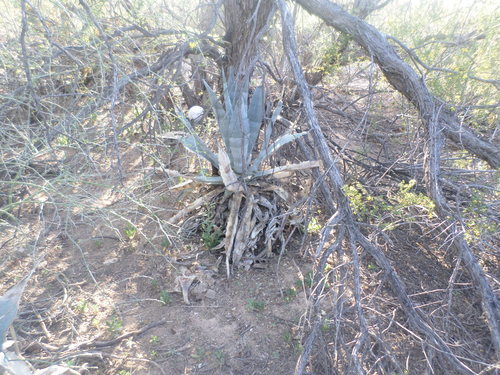
iNaturalist· cc-by-nc
(c) mike_spies, some rights reserved (CC BY-NC)
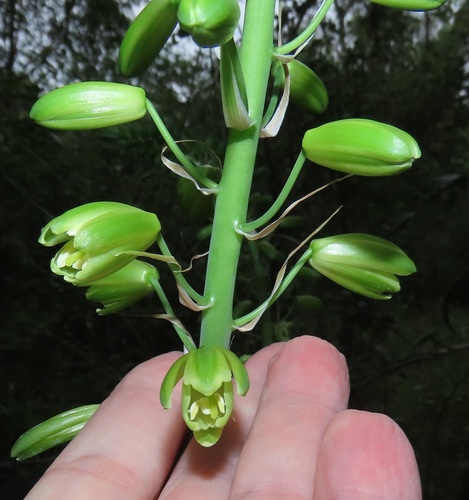
iNaturalist· cc-by-nc
(c) Jean Audissou, some rights reserved (CC BY-NC), uploaded by Jean Audissou
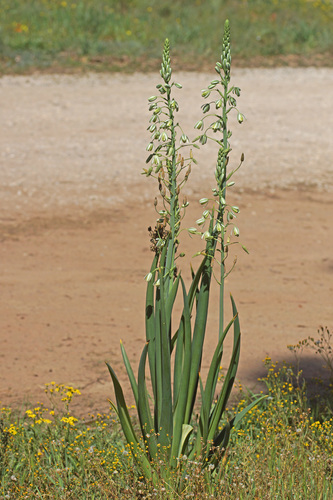
iNaturalist· cc-by
(c) Kevin Murray, some rights reserved (CC BY), uploaded by Kevin Murray
Description
A herb with a bulb. It grows 30 cm high. It keeps growing from year to year. The bulb is oval and has yellowish scales. There are about 4 leaves in a ring. They are about 60-200 mm long by 4-16 mm wide. The flowers are brown to orange. They are about 2 cm long. They have a sweet smell. The fruits are a large capsule. It is round and brown and 2 cm long. The seeds are 9 mm across.
Edible Uses
The bulbs or corms are eaten raw as a vegetable or roasted. The leaves are also edible.
Traditional Uses
The bulb or corm is eaten raw as a vegetable. They are also roasted.
This uses section is brief — help expand it
Distribution
It is a subtropical plant. It grows in hot arid places with a marked dry season. The dry season can be 6-11 months. It grows in well drained stony and sandy soils. It grows between 70-300 m above sea level. It can grow in arid places.
Where It Grows
Africa, Namibia, South Africa, Southern Africa,
Notes
They have also been put in the families Hyacinthaceae and Liliaceae.
Nutrition
| Part | Moisture | kJ | kcal | Protein | Vit A | Vit C | Iron | Zinc |
|---|---|---|---|---|---|---|---|---|
| Leaves | 81.5 | — | — | — | — | — | — | — |
Synonyms
Also Known As
Glomglomkwasa, Somaes
References (4)
- Royal Botanic Gardens, Kew (1999). Survey of Economic Plants for Arid and Semi-Arid Lands (SEPASAL) database. Published on the Internet; http://www.rbgkew.org.uk/ceb/sepasal/internet [Accessed 16th April 2011]
- Ruiters-Welcome, A. K., 2019, Food plants of southern Africa. Ph.D. thesis. Univ. of Johannesburg p 65
- Welcome, A. K. & Van Wyk, B.-E., 2019, An inventory and analysis of the food plants of southern Africa. South African Journal of Botany 122 (2019) 136–179
- World Checklist of Useful Plant Species 2020. Royal Botanic Gardens, Kew