Carex elata
All.
Tufted sedge
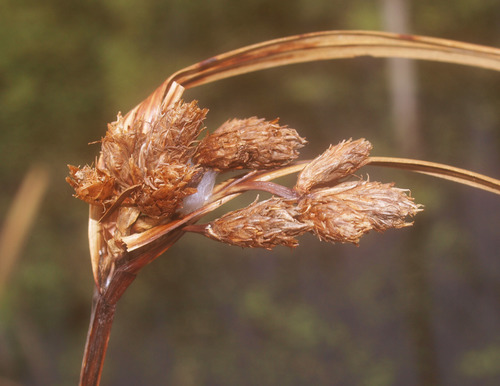
iNaturalist· cc-by-nc
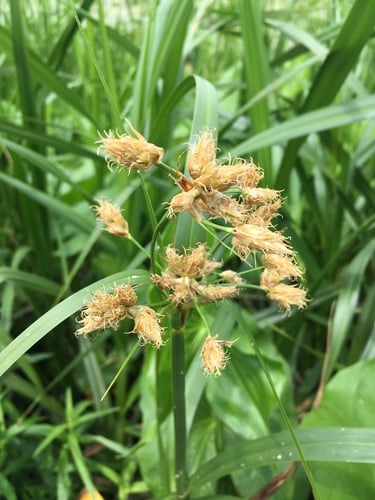
(c) Sergey Mayorov, some rights reserved (CC BY-NC), uploaded by Sergey Mayorov
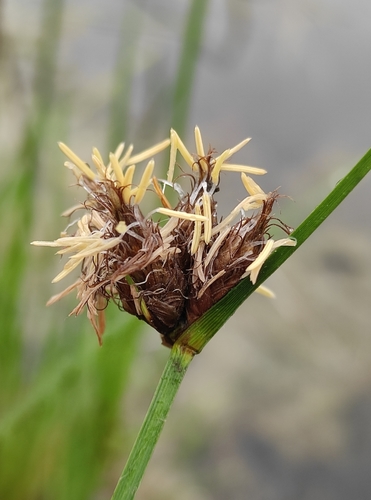
iNaturalist· cc-by-nc
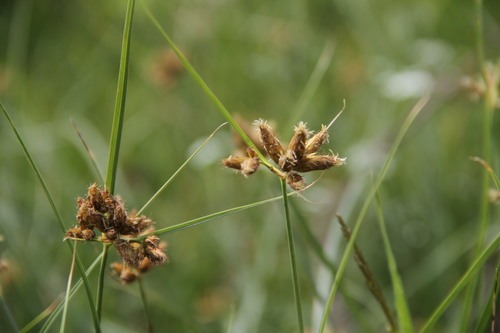
(c) Sergey Mayorov, some rights reserved (CC BY-NC), uploaded by Sergey Mayorov
iNaturalist· cc-by-nc
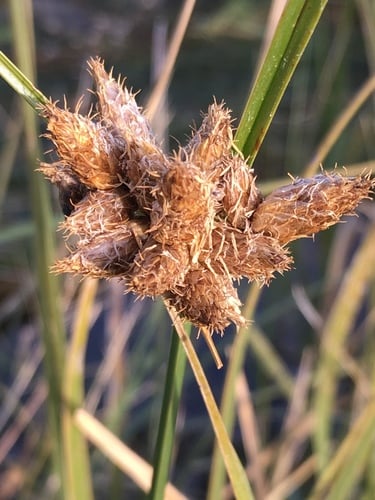
(c) Sergey Mayorov, some rights reserved (CC BY-NC), uploaded by Sergey Mayorov
Summary
Source: WikipediaCarex elata (common name, tufted sedge), is a species of tussock-forming, grass-like plant in the Cyperaceae family. It is native to all of Europe, the Atlas Mountains of Africa, Turkey, Iran and Central Asia.
Description
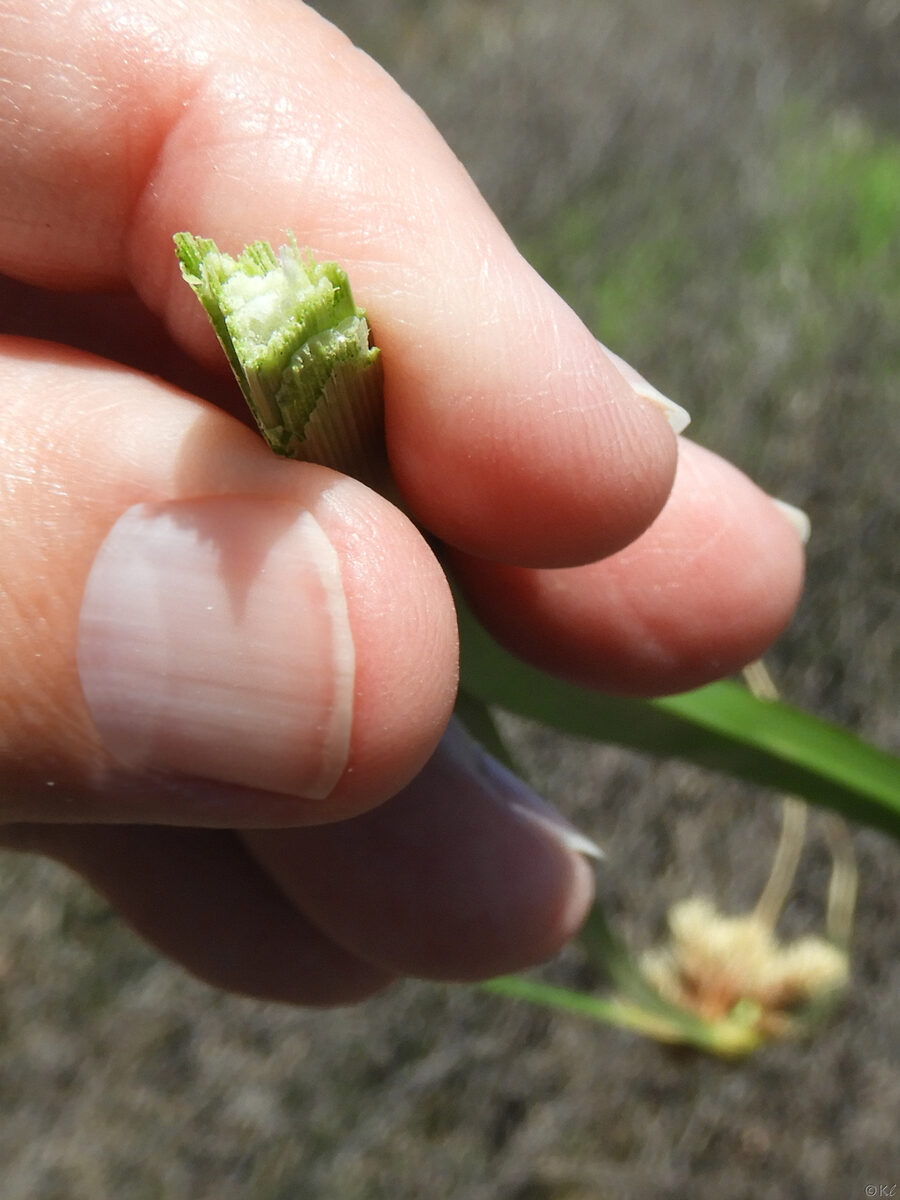
A grass like plant. This sedge grows 40-90 cm high and spreads 90 cm wide. It has grass like leaves. It forms dense tussocks. The leaves are bluish-green and are folded. They have a flat tip and a brownish yellow sheath. The flowers are in brown spikes.
Edible Uses
The root can be eaten cooked, and the seed is also edible, though it is small and fiddly to work with.
Traditional Uses
The leaves and stems are eaten as a children snack.
This uses section is brief — help expand it
Medicinal Uses
None known.
Distribution
It is a temperate plant. It will grow in shallow water. It is frost hardy. It suits hardiness zones 7-10.
Where It Grows
Africa, Australia, Britain, Caucasus, Europe, Hungary, Luxembourg, North Africa, Slovenia,
Cultivation
Easily grown in a damp to wet soil in full sun or shade. Members of this genus are rarely if ever troubled by browsing deer.
Propagation
Sow seed in situ in spring in moist soil in light shade. If seed is scarce, sow in a cold frame and plant out in summer. Seed typically germinates in 2–6 weeks at 15°C. Divide in spring — larger clumps can go directly into permanent positions, but smaller clumps are best potted up and grown on in a cold frame until rooting well, then planted out in summer or the following spring.
Other Uses
The leaves are used for bedding. Plants form impenetrably dense clumps and, when planted close together in drifts, make an excellent ground cover.
Notes
There are about 2000 Carex species. There are 200 species in tropical America.
Synonyms
Also Known As
Limbus, Sas, Togi šaš
References (9)
- Cundall, P., (ed.), 2004, Gardening Australia: flora: the gardener's bible. ABC Books. p 329
- Denes, A., et al, 2012, Wild plants used for food by Hungarian ethnic groups living in the Carpathian Basin. Acta Societatis Botanicorum Poloniae 81 (4): 381-396
- Fl. pedem. 2:272. 1785
- Hibbert, M., 2002, The Aussie Plant Finder 2002, Florilegium. p 60
- Marinelli, J. (Ed), 2004, Plant. DK. p 265
Show all 9 references Hide references
- Plants for a Future database, The Field, Penpol, Lostwithiel, Cornwall, PL22 0NG, UK. http://www.scs.leeds.ac.uk/pfaf/
- Ryan, S., 2008, Dicksonia. Rare Plants Manual. Hyland House. p 89
- Slocum, P.D. & Robinson, P., 1999, Water Gardening. Water Lilies and Lotuses. Timber Press. p 92
- Simpson, D. A. & Inglis, C. A., 2001, Cyperaceae of Economic, Ethnobotanical and Horticultural Importance: A checklist. Kew Bulletin Vol. 56, No. 2 (2001), pp. 257-360