Euphorbia guerichiana
Pax
Paper-bark euphorbia
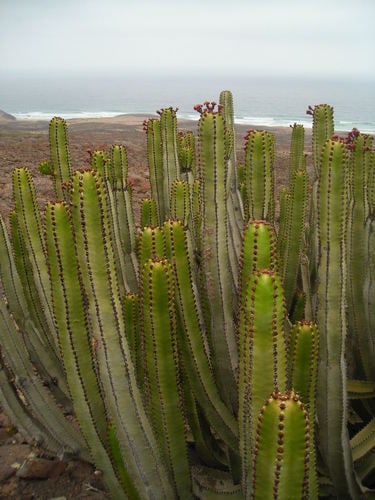
iNaturalist· cc-by-sa
(c) Tony Rebelo, some rights reserved (CC BY-SA), uploaded by Tony Rebelo
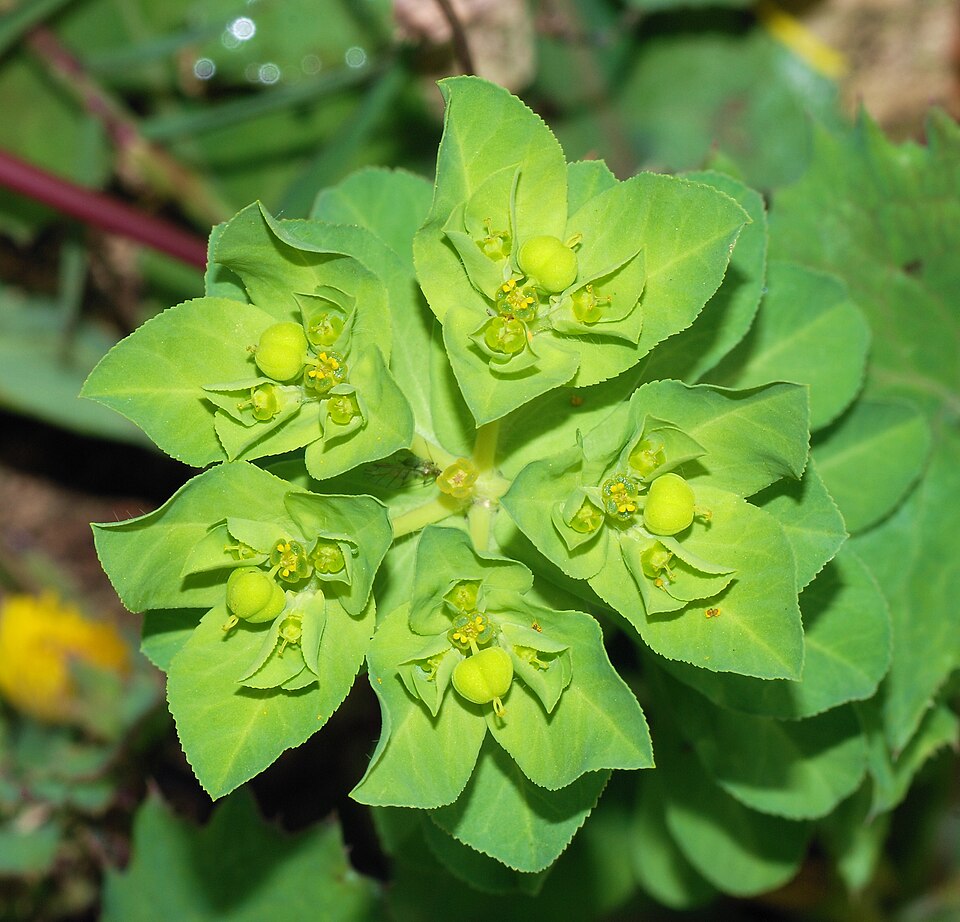
iNaturalist· cc-by-nc
(c) Alex Dreyer, some rights reserved (CC BY-NC), uploaded by Alex Dreyer
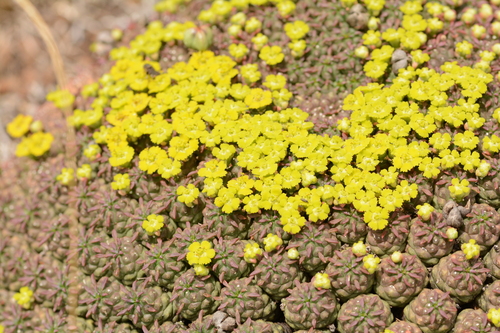
iNaturalist· cc-by-nc
(c) pietermier, some rights reserved (CC BY-NC)
Description
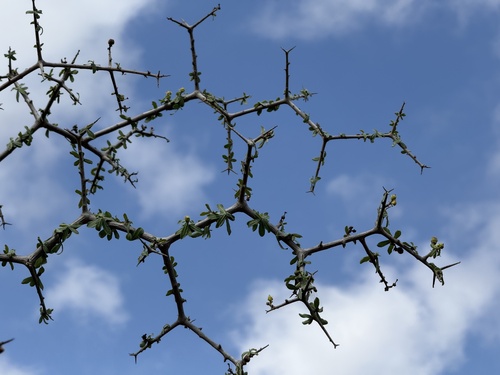
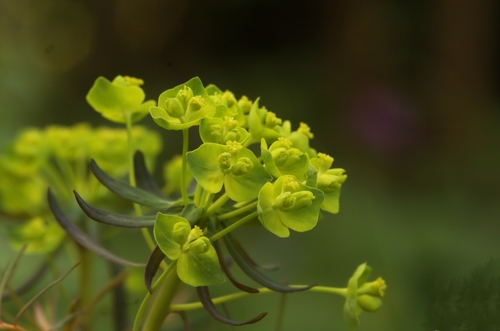
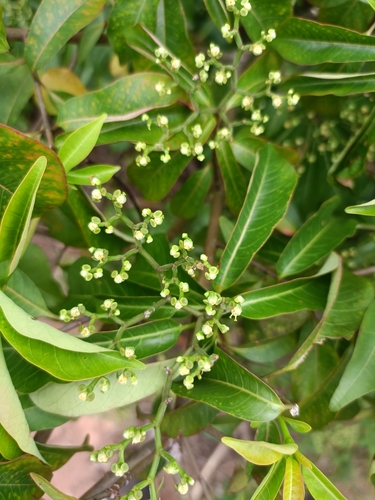
A shrub or tree. It grows 8 m high. It loses its leaves during the year. The bark is dark brown, smooth and waxy and peels off in light yellow papery sheets. The young branches are long, thin and flexible. The leaves are broadly sword shaped and very small. They are 3-15 mm long by 2-5 mm wide. They are simple and vary in shape. The flowers are yellow and in clusters near the ends of short side shoots. The flowers appear when the tree has lost its leaves. The fruit is a capsule with 3 lobes. They are smooth and 6 mm across.
Edible Uses
The fresh fruit are eaten or can be stored for later use.
Traditional Uses
The fresh fruit are eaten. They can also be stored for later use.
This uses section is brief — help expand it
Distribution
It is a subtropical plant. It grows in hot dry places with a marked dry season. The dry season can be 6-11 months. It grows on rocky and sandy soils and in deserts. It grows between 5-1,850 m above sea level. It can grow in arid places.
Where It Grows
Africa, Botswana, East Africa, Namibia, South Africa, Southern Africa, Zimbabwe,
Synonyms
Also Known As
Letolagadi, Omupondoriro, Western woody euphorbia
References (2)
- Royal Botanic Gardens, Kew (1999). Survey of Economic Plants for Arid and Semi-Arid Lands (SEPASAL) database. Published on the Internet; http://www.rbgkew.org.uk/ceb/sepasal/internet [Accessed 16th April 2011]
- World Checklist of Useful Plant Species 2020. Royal Botanic Gardens, Kew