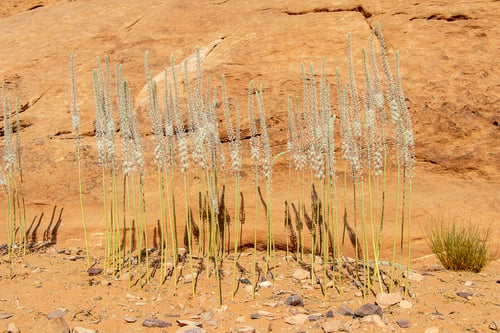
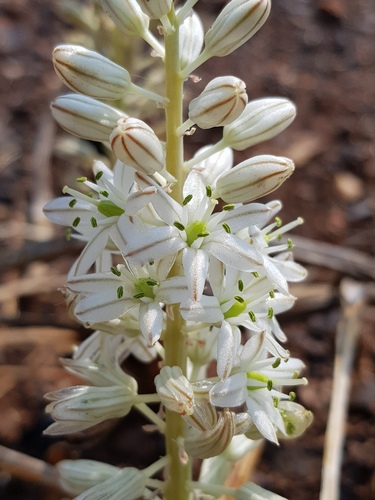
Sansevieria forskaliana
(Schult. f.) Hepper & Wood
Ethiopian bowstring hemp
wikimedia· cc-by
Wikimedia Commons - Peter A. Mansfeld
gbif· cc0
Erwin Sieben
gbif· cc-by-sa
GBIF
gbif· cc-by-sa
GBIF
Description
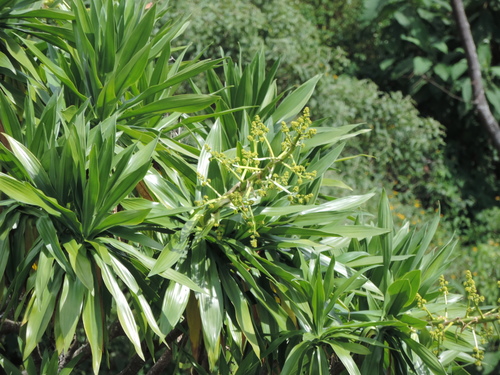
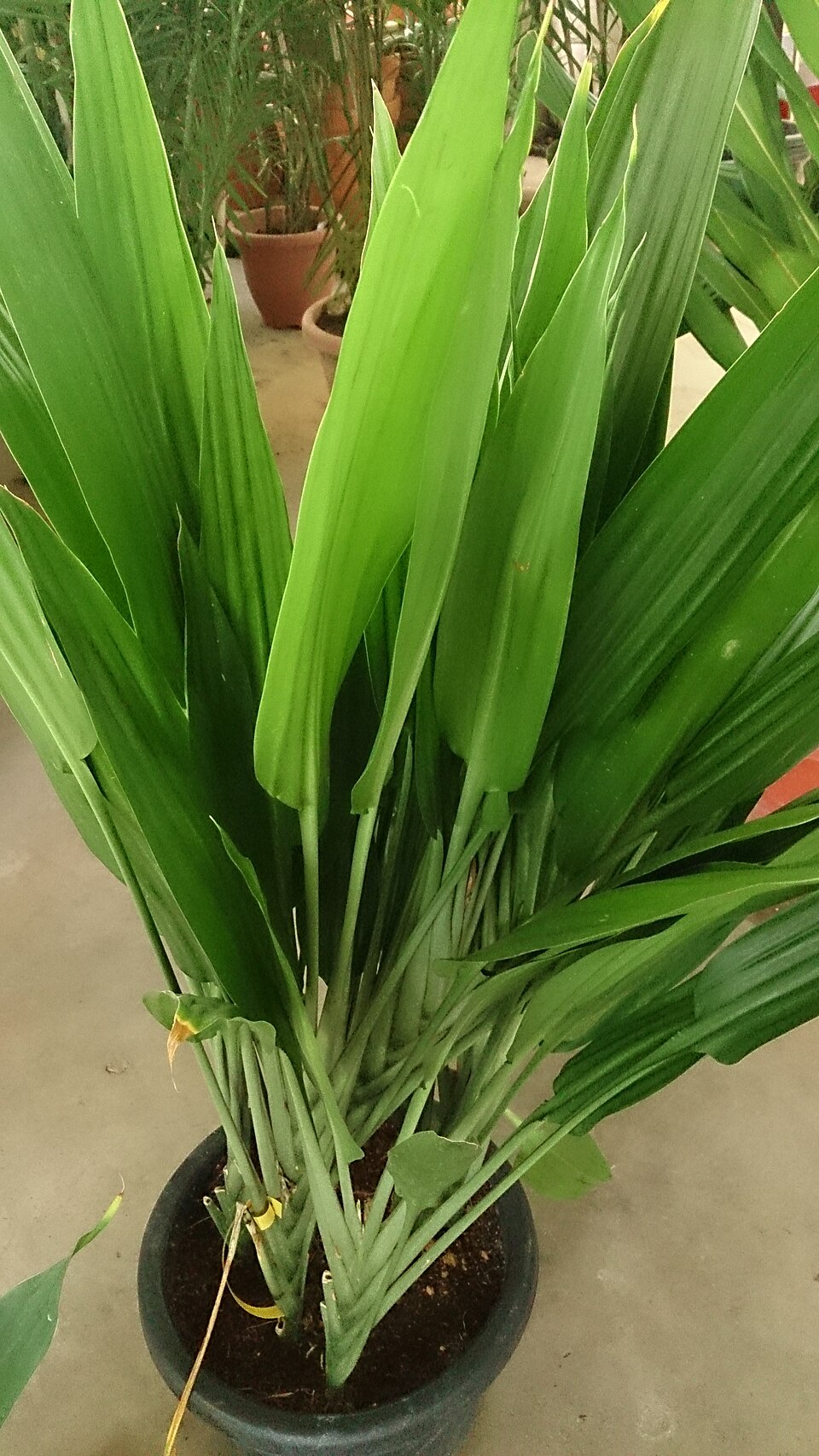
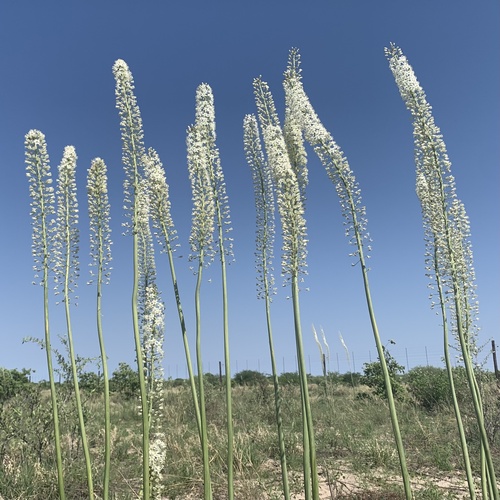
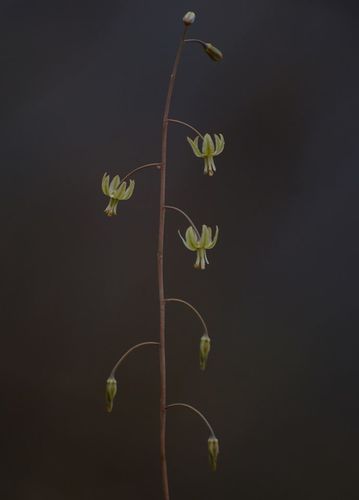
A succulent herb or shrub. It does not have an above ground stem. It has rhizomes. These can be 2 cm across.
This description is brief — help expand it
Edible Uses
The roots are dug up and sucked for their water content.
Traditional Uses
The roots are dug up and sucked.
This uses section is brief — help expand it
Distribution
It is a tropical plant. It grows in dry rocky places. It grows between 550-2,000 m above sea level. It can grow in arid places. In Brisbane Botanical Gardens.
Where It Grows
Africa, Australia, Central Africa, Congo, Djibouti, East Africa, Ethiopia, Kenya, Somalia, Sudan,
Cultivation
Requires a sunny position in a well-drained soil. Prefers a pH in the range 6 - 7. Established plants are very drought tolerant. This species is very variable in size, number and colour of leaves in different habitats; in drier areas the leaves may reach only 40cm in height, in wetter places up to 100cm.
Propagation
Seed - Division of the rootstock. Leaf cuttings. Cut the leaf into sections about 5cm long, place in a 2:1 mix of sand and peat in a propagating case with a bottom heat of 18°c.
Other Uses
A fibre is obtained from the leaves. It is used for making string.
Notes
Also put in the family Dracaenaceae.
Synonyms
Also Known As
Biseka, Chiret, Kosar, Wende-kacha, Zaf
References (1)
- Royal Botanic Gardens, Kew (1999). Survey of Economic Plants for Arid and Semi-Arid Lands (SEPASAL) database. Published on the Internet; http://www.rbgkew.org.uk/ceb/sepasal/internet [Accessed 16th April 2011]