Cleome brachycarpa
Vahl. ex DC.
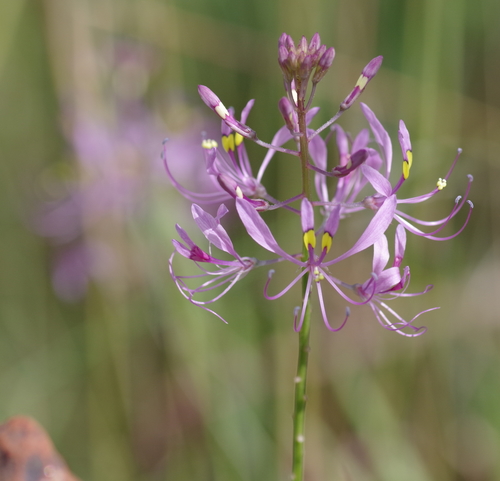
iNaturalist· cc-by-nc
(c) Morten Ross, some rights reserved (CC BY-NC), uploaded by Morten Ross
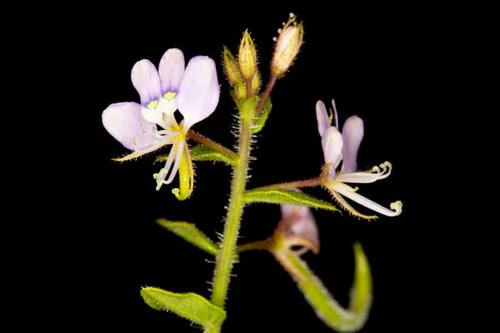
iNaturalist· cc-by-nc
(c) Alexey P. Seregin, some rights reserved (CC BY-NC)
Description
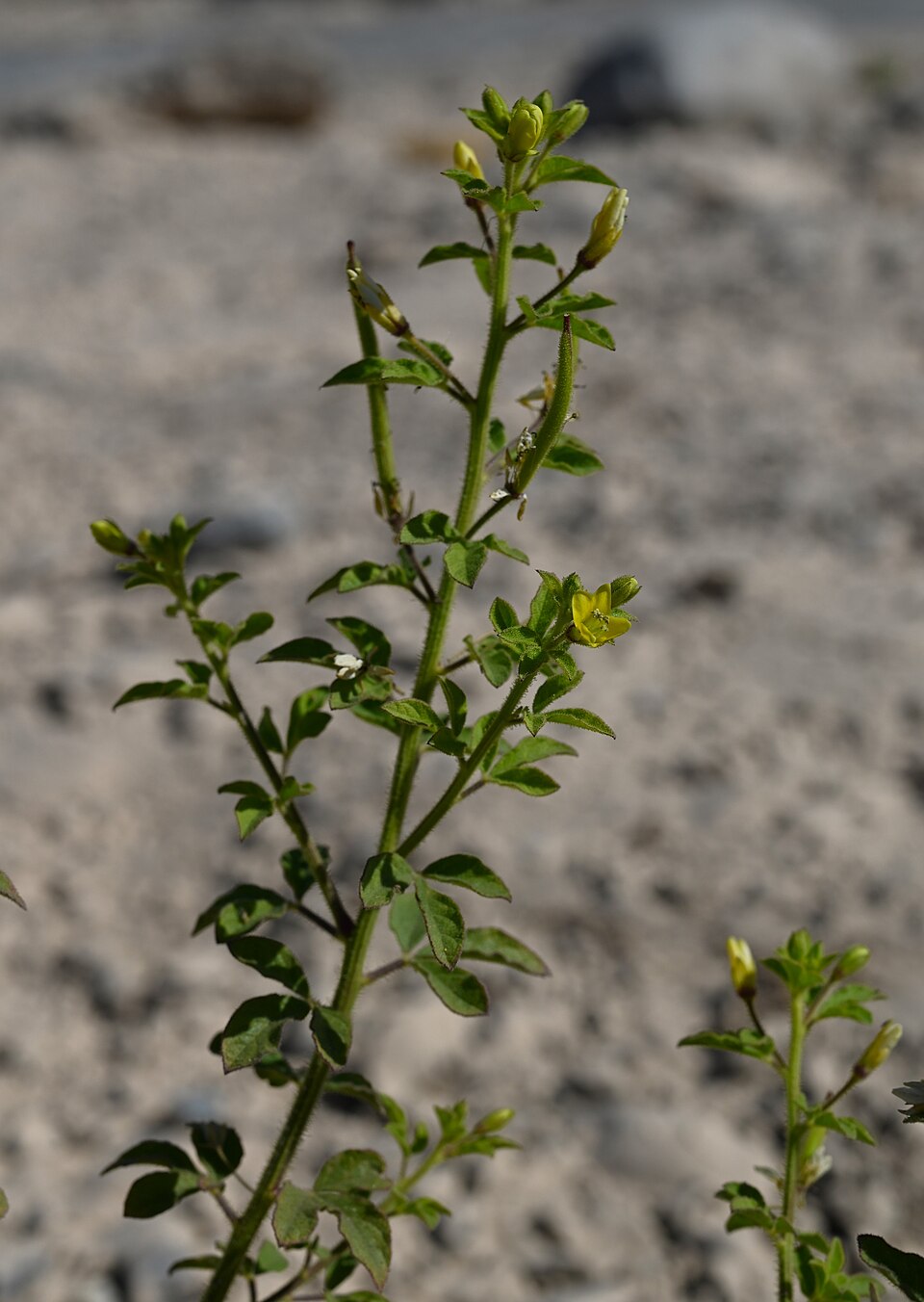
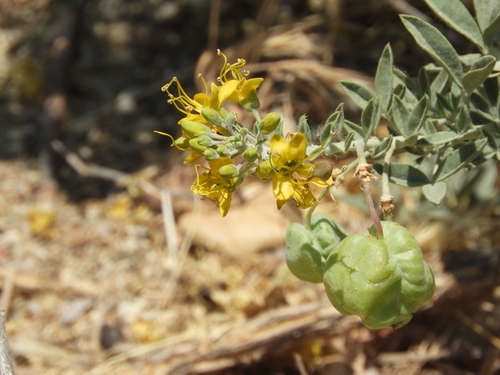
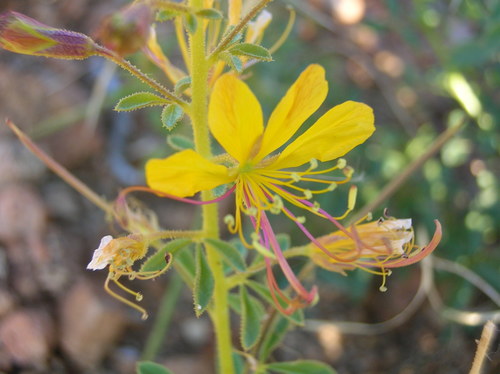
An annual herb. It grows 50 cm high. It has an unpleasant smell. The leaves have 3 leaflets. The flowers are yellow and in loose groups.
This description is brief — help expand it
Edible Uses
The leaves are used as a potherb and for flavouring.
Traditional Uses
It is used as a potherb and for flavouring.
This uses section is brief — help expand it
Distribution
In is a Mediterranean plant. It grows in sandy and stony soils. It grows from sea level to 1,300 m above sea level. It can grow in arid places.
Where It Grows
Afghanistan, Africa, Algeria, Cape Verde, Central Africa, Chad, East Africa, Egypt, Ethiopia, India, Iran, Kenya, Mali, Mauritania, Mediterranean, Middle East, Morocco, North Africa, Oman, Pakistan, Saudi Arabia, Socotra, Somalia, Sudan, United Arab Emirates, UAE, West Africa, Yemen,
Synonyms
Also Known As
Saala-caseeye
References (3)
- Mutie, F. M., et al, 2023, Important Medicinal and Food Taxa (Orders and Families) in Kenya, Based on Three Quantitative Approaches. Plants 2023, 12, 1145
- Royal Botanic Gardens, Kew (1999). Survey of Economic Plants for Arid and Semi-Arid Lands (SEPASAL) database. Published on the Internet; http://www.rbgkew.org.uk/ceb/sepasal/internet [Accessed 7th April 2011]
- World Checklist of Useful Plant Species 2020. Royal Botanic Gardens, Kew