Aciphylla squarrosa
J. R. Forst. & G. Forst.
Speargrass, Bayonet plant
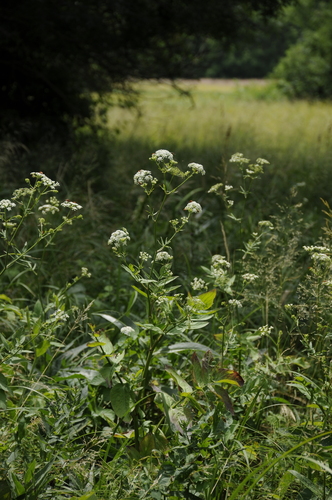
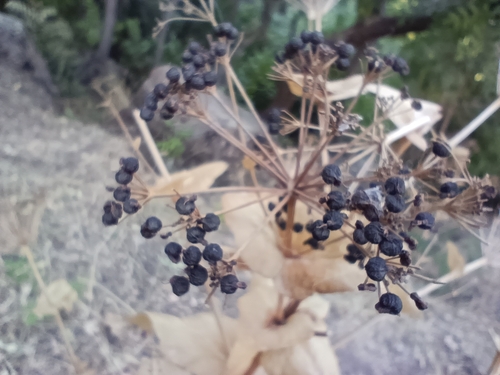
iNaturalist· cc-by
(c) Joe Dillon, some rights reserved (CC BY), uploaded by Joe Dillon
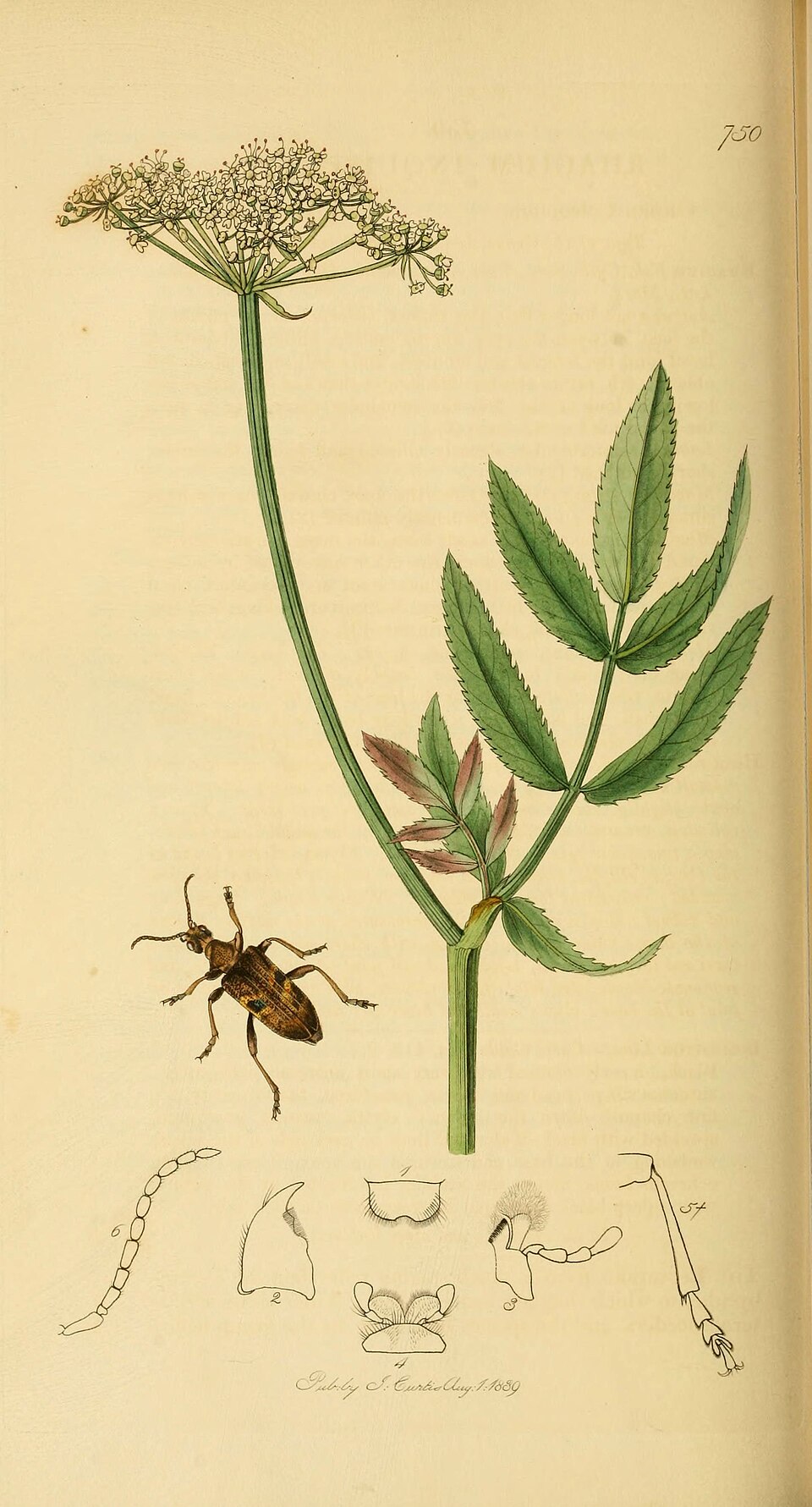
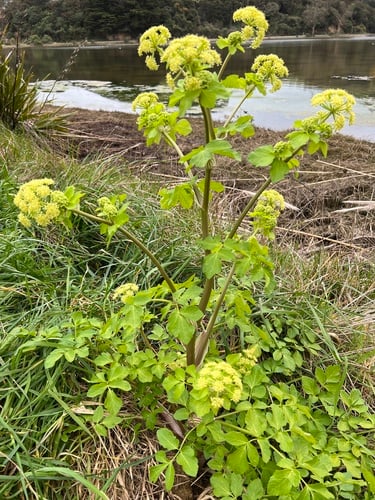
iNaturalist· cc-by
(c) Penelope Noel Gillette, some rights reserved (CC BY), uploaded by Penelope Noel Gillette
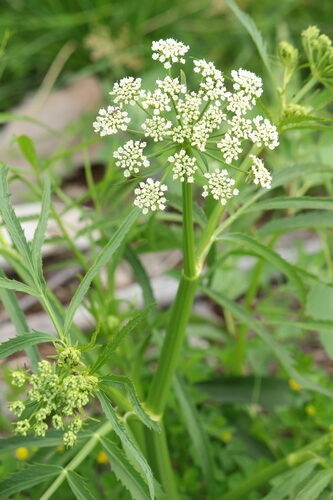
iNaturalist· cc-by-nc
(c) Phil Bendle, some rights reserved (CC BY-NC), uploaded by Phil Bendle
Summary
Source: WikipediaAciphylla squarrosa, or common speargrass, is a species of Aciphylla endemic to New Zealand.
Description
A shrub or small tree. It grows 5 m tall. There are prickles along the stem. The leaves are twice divided and there are 8-18 pairs of pinnae. There are up to 50 pairs of pinnules on each pinnae. The flowers are yellow. They are in large clusters at the ends of branches. The pods are flattened.
Edible Uses
The root is edible when cooked, has an aromatic quality, and is reported to have a very good taste. The plant's resin can be used as a chewing gum. Young shoots and stems are also edible, though no further preparation details are available.
Traditional Uses
The root is cooked and eaten. The resin is chewed as a chewing gum. The young shoots and stems are eaten.
This uses section is brief — help expand it
Medicinal Uses
None known.
Distribution
It is a temperate plant. It is found growing naturally in New Zealand from sea-level to mountain areas in the North and South Islands to latitude 41° 30' south. It requires a well drained gritty soil in full sun. It can tolerate frost down to about 10°C. It suits hardiness zones 5-9.
Where It Grows
Asia, Myanmar, New Zealand*, SE Asia,
Cultivation
Requires a perfectly drained gritty soil in full sun. Easily grown in a moist but well-drained soil in full sun. Hardy to about -10°c according to one report whilst another says it is hardy to about -15°c. Dioecious but female plants have occasional male flowers. Male and female plants must normally be grown if seed is required. The flowers are sweetly scented.
Propagation
Seed is best sown in a greenhouse as soon as it is ripe. Stored seed should be sown under glass in late winter or early spring. Germination can be very slow. Once seedlings are large enough to handle, prick them out into individual pots and grow on in the greenhouse for at least their first winter, before planting out in late spring or early summer after the last expected frosts.
Other Uses
The plant yields a semi-transparent resinous gum that is edible and also used in perfumery.
Notes
There are about 40 Aciphylla species.
Also Known As
Taramea
References (4)
- Char. gen. pl. 136, t. 68. 1776
- Crowe, A., 1997, A Field Guide to the Native Edible Plants of New Zealand. Penguin. p 105
- Lim, T. K., 2015, Edible Medicinal and Non Medicinal Plants. Volume 9, Modified Stems, Roots, Bulbs. Springer p 2
- Plants for a Future database, The Field, Penpol, Lostwithiel, Cornwall, PL22 0NG, UK. http://www.scs.leeds.ac.uk/pfaf/