Cardamine pensylvanica
Muhl. ex Willd.
Pennsylvania bittercress
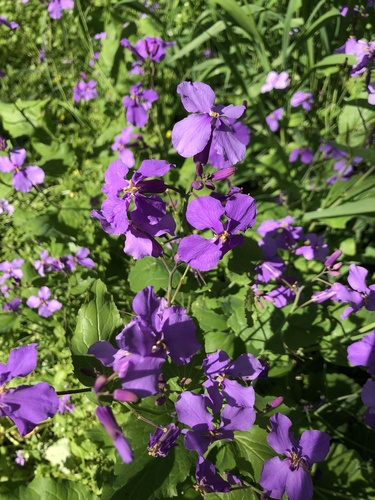
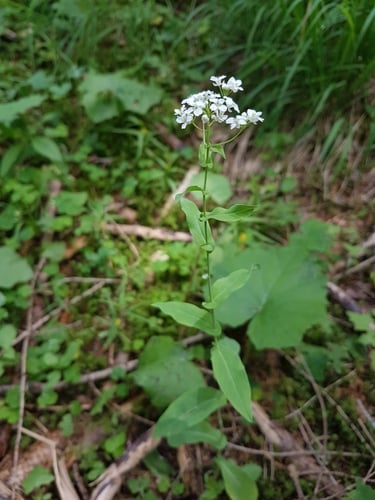
iNaturalist· cc-by-nc
(c) Karro Frost, some rights reserved (CC BY-NC)
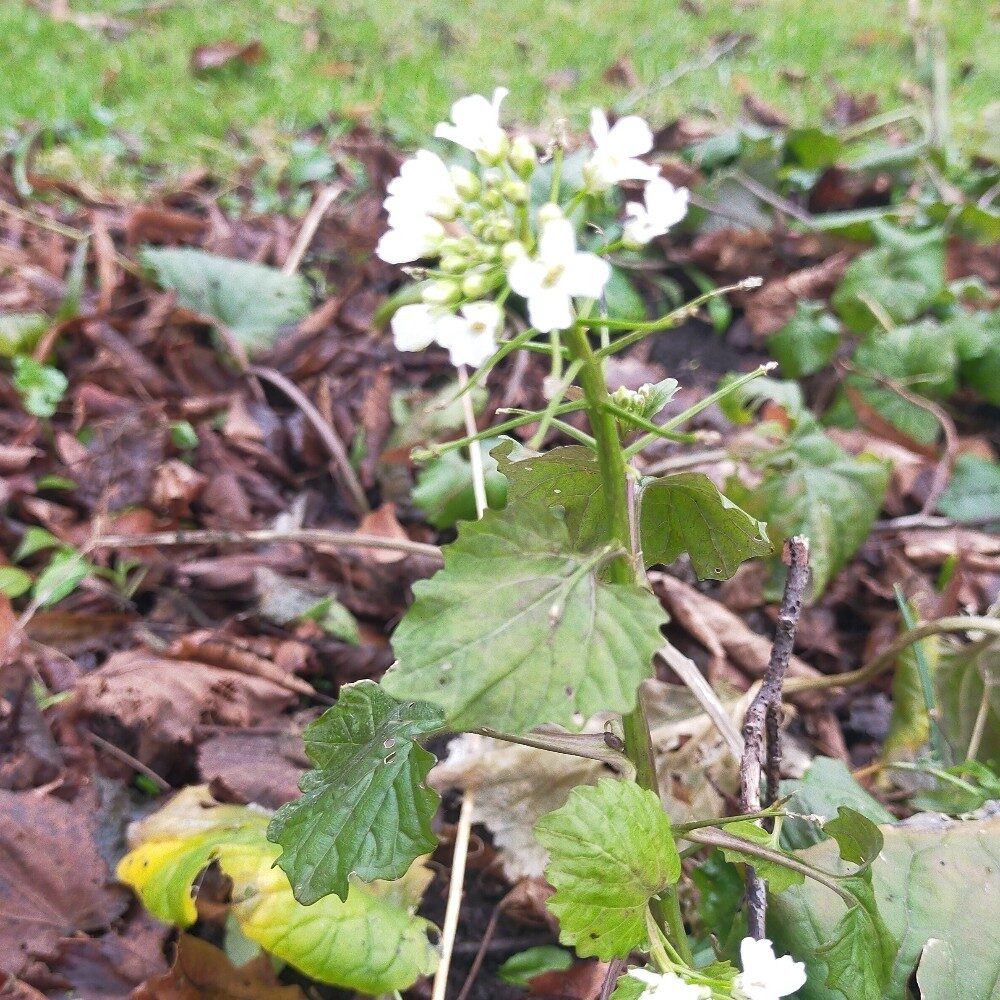
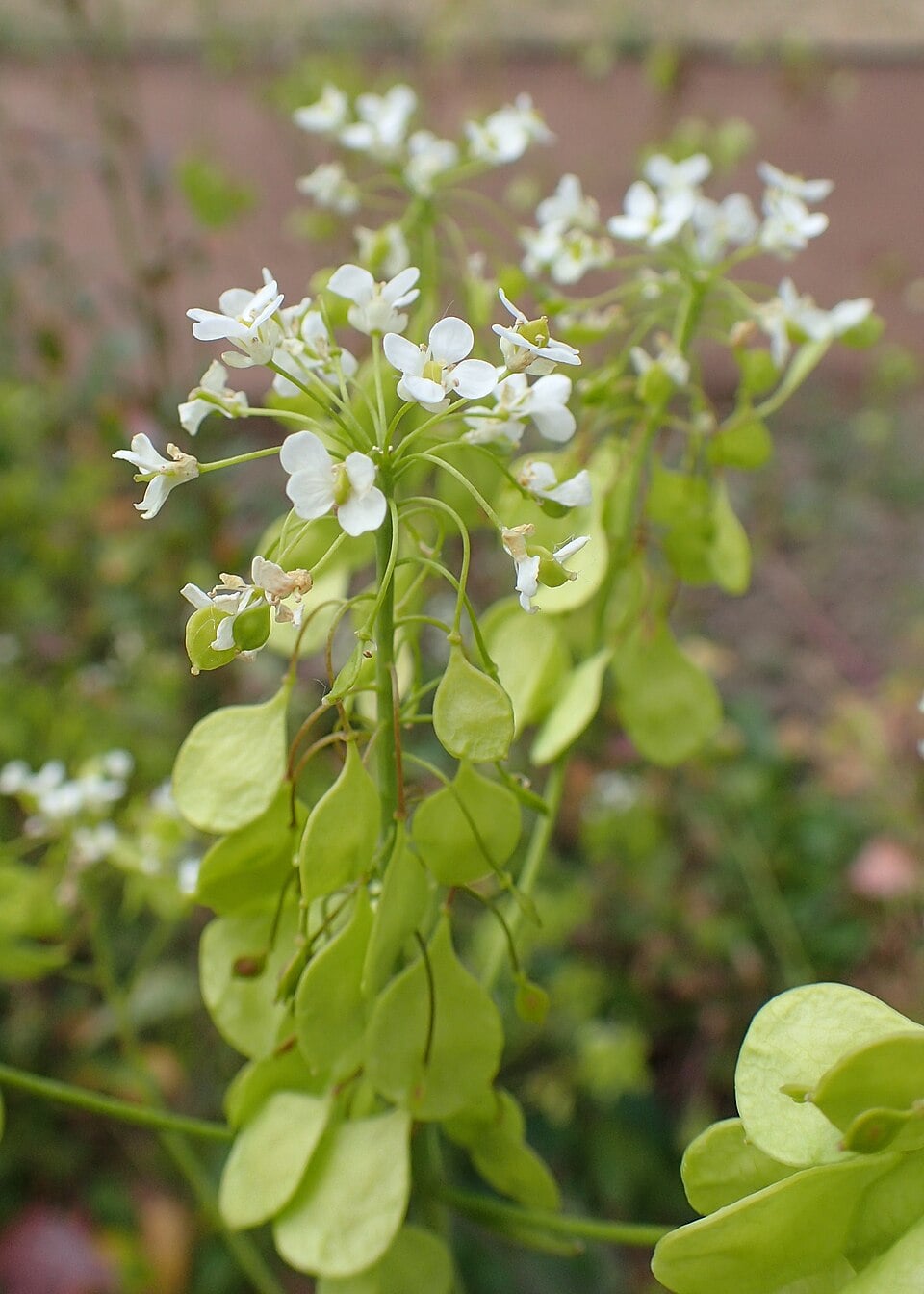
iNaturalist· cc-by-nc
(c) Karro Frost, some rights reserved (CC BY-NC)
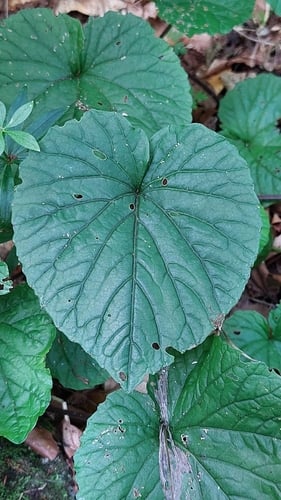
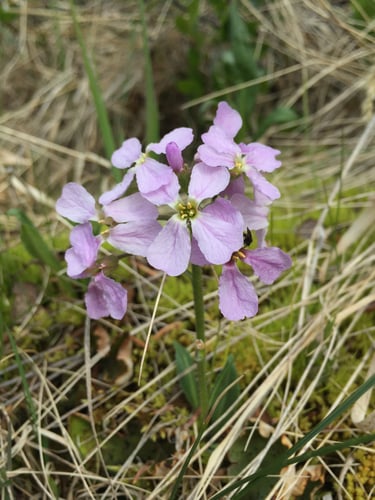
iNaturalist· cc-by-nc
(c) Radd Icenoggle, some rights reserved (CC BY-NC)
Description
A cabbage family herb. It grows each year from seed or can last 2 years. It grows 45 cm tall. It has a taproot. The leaves have 5-11 narrow sword shaped leaflets. The flowers have petals 3-4 mm long.
Edible Uses
Leaves can be eaten raw or cooked and make an excellent watercress substitute, with a slightly bitter but not unpleasant flavour. The grated raw root can be used as a condiment.
Traditional Uses
Leaves can be used in salads and soups.
This uses section is brief — help expand it
Medicinal Uses
The leaves and the flowering plant are carminative and digestive.
Distribution
It is a temperate plant. It grows in moist or wet soils.
Where It Grows
Bahamas, Canada, Cuba, Haiti, Lesser Antilles, North America, Puerto Rico, USA, Virgin Islands, West Indies,
Propagation
Sow seed outdoors in a shady seedbed in April, then plant out in autumn or spring. Propagate also by division.
Other Uses
None known
Notes
There are about 160 Cardamine species. They are mostly in damp places in temperate regions.
References (6)
- Bircher, A. G. & Bircher, W. H., 2000, Encyclopedia of Fruit Trees and Edible Flowering Plants in Egypt and the Subtropics. AUC Press. p 82
- Kermath, B. M., et al, 2014, Food Plants in the Americas: A survey of the domesticated, cultivated and wild plants used for Human food in North, Central and South America and the Caribbean. On line draft. p 182
- MacKinnon, A., et al, 2009, Edible & Medicinal Plants of Canada. Lone Pine. p 216
- Plants for a Future database, The Field, Penpol, Lostwithiel, Cornwall, PL22 0NG, UK. http://www.scs.leeds.ac.uk/pfaf/
- Plants of Haiti Smithsonian Institute http://botany.si.edu
Show all 6 references Hide references
- Tozer, F., 2007, The Uses of Wild Plants. Green Man Publishing. p 55