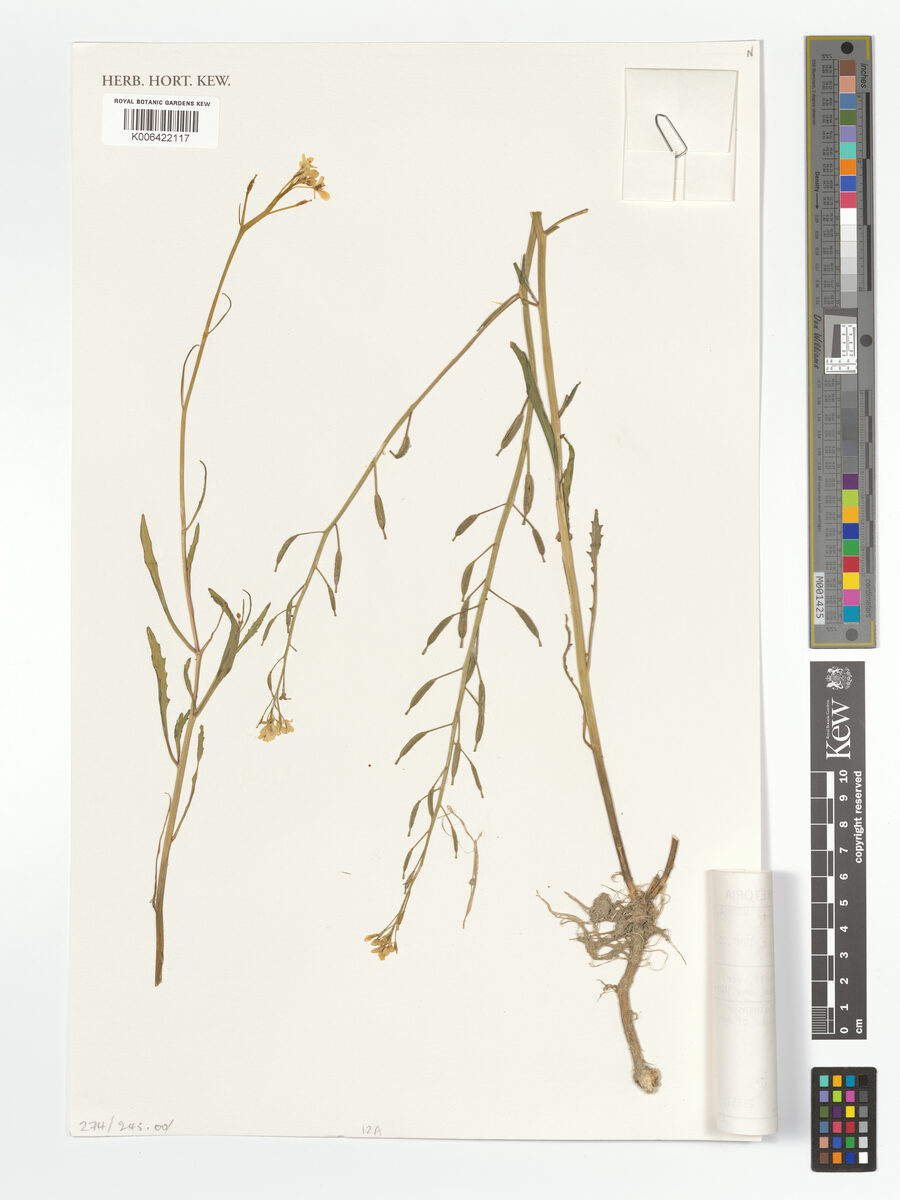
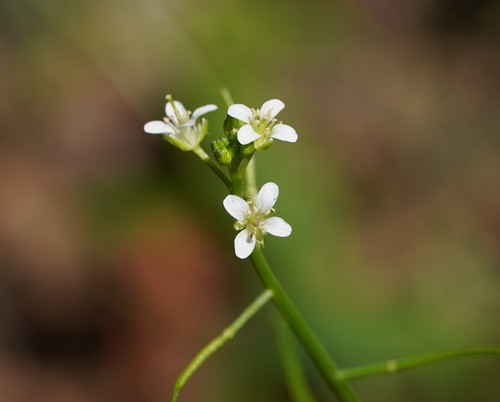
Cardamine oligosperma
Nutt.
Spring cress, Little Western bitter cress
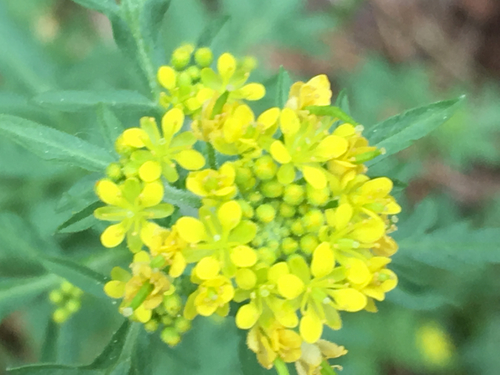
iNaturalist· cc-by
(c) Don Loarie, some rights reserved (CC BY)
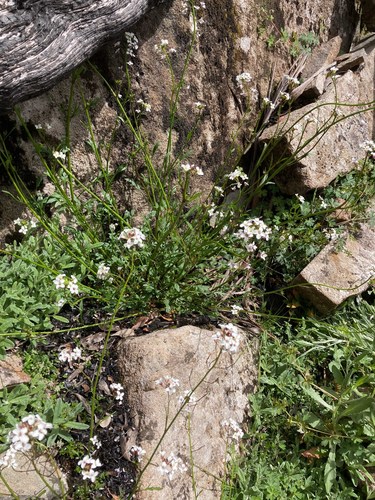
iNaturalist· cc-by
(c) Ken-ichi Ueda, some rights reserved (CC BY)
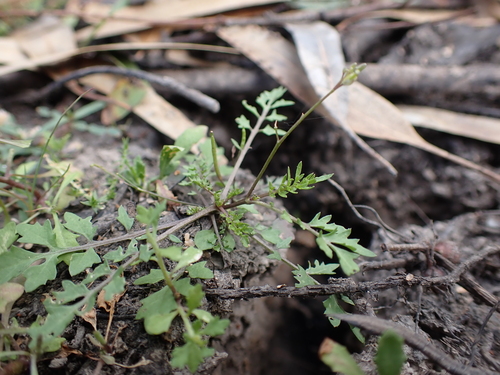
iNaturalist· cc-by
(c) Ken-ichi Ueda, some rights reserved (CC BY)
Summary
Source: WikipediaCardamine oligosperma is a species of Cardamine known by the common name little western bittercress, native to western North America.
Description
An annual or biennial reaching 0.3 m (1 ft) in height, Cardamine oligosperma is hermaphroditic and insect-pollinated. It grows well in light sandy, medium loamy, and heavy clay soils with mildly acid to basic pH values. This species tolerates semi-shade or full sun and prefers moist to wet soil conditions.
Edible Uses
Leaves can be eaten raw or cooked as a vegetable.
Traditional Uses
The peppery rosette leaves are added to salads. They can also be cooked and eaten like spinach.
This uses section is brief — help expand it
Medicinal Uses
The plant is carminative and digestive.
Known Hazards
The plant often throws its seeds when touched, which can cause irritation if they contact the eyes. Younger, more succulent plants are less likely to be carrying seeds.
Distribution
It is a temperate plant.
Where It Grows
Alaska, Canada, North America, USA,
Cultivation
We have very little information on this species and do not know if it will be hardy in Britain, though judging by its native range it should succeed outdoors in most parts of this country. A polymorphic species, it is closely related to C. hirsuta. The following notes are based on the general needs of the genus. Prefers a moist humus rich soil in shade or semi-shade but succeeds in most soils that are not dry.
Propagation
Sow seed in spring or autumn directly in situ.
Other Uses
None known
Notes
There are about 160 Cardamine species. They are mostly in damp places in temperate regions.
Synonyms
References (5)
- Bowser, M., 2017, Handout on Edible Plants of the Kenai Peninsula. USFWS Kenai National Wildlife Refuge p 11
- Facciola, S., 1998, Cornucopia 2: a Source Book of Edible Plants. Kampong Publications, p 57
- Kermath, B. M., et al, 2014, Food Plants in the Americas: A survey of the domesticated, cultivated and wild plants used for Human food in North, Central and South America and the Caribbean. On line draft. p 182
- Plants for a Future database, The Field, Penpol, Lostwithiel, Cornwall, PL22 0NG, UK. http://www.scs.leeds.ac.uk/pfaf/
- Tozer, F., 2007, The Uses of Wild Plants. Green Man Publishing. p 55